
Design
Chiller room design based on the product, temperature, capacity, heat load, and site conditions.
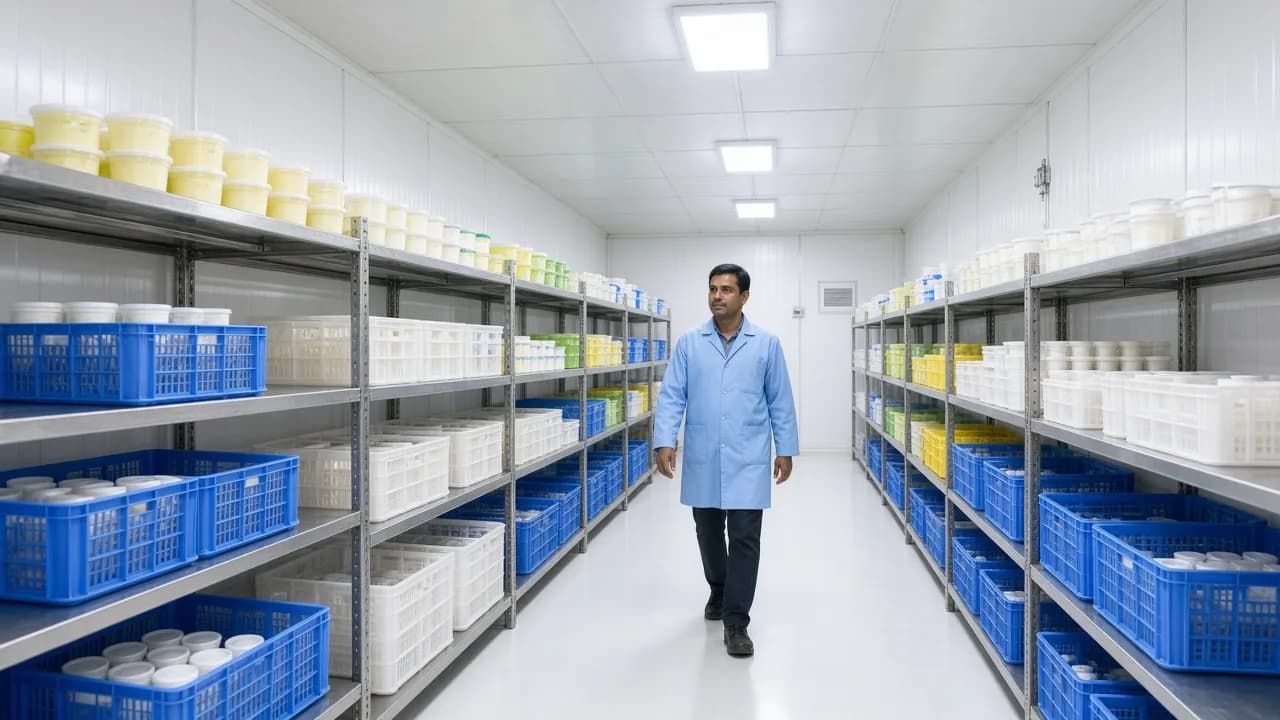
Chiller Room Solutions
Chiller Room Solutions for Controlled Fresh Product Storage
Uniref designs, supplies, installs, and commissions customized chiller rooms for temperature sensitive products and industrial applications across India. Each room is engineered around the product, required temperature, storage capacity, incoming product condition, heat load, and site conditions.
Engineering coordination from Jaipur. Call +91 7222 001 000.
Chiller room design based on the product, temperature, capacity, heat load, and site conditions.
Insulated panels, cold room doors, refrigeration equipment, controls, and associated components.
Chiller room construction, refrigeration equipment, electrical controls, and related systems installed at site.
Testing, temperature checks, refrigeration commissioning, and handover after installation.
Project record
20+ years of experience, 2,500+ projects completed, offices in Jaipur, Chennai, Delhi and Indore, 40+ service locations, 4+ assembly facilities.
Businesses across food, dairy, fruits and vegetables, pharmaceutical, hospitality, agriculture, distribution, and other temperature sensitive applications use chiller rooms for controlled fresh product storage.
How the room is planned
A chiller room needs to maintain the required temperature while accommodating product movement, door openings, storage arrangements, airflow, humidity, and refrigeration demand. Room dimensions, insulation, doors, evaporators, compressors, controls, and monitoring are considered together during the design.
Uniref develops customized cold storage solutions around the product and operating process. Chiller room capacity is confirmed from the product, packaging, stacking, aisles, daily movement, incoming product temperature, and available space rather than from a standard room size.
Room dimensions, insulation, doors, refrigeration equipment, flooring, and internal layout are planned according to the application.
Temperature control is configured around the specified chilled storage range and selected refrigeration system.
Humidity requirements are considered where moisture conditions affect the stored product, freshness, quality, or storage period.
Room dimensions, product placement, aisles, pallet arrangement, and loading patterns are considered to use available storage space effectively.
Compressors, evaporators, condensing units, airflow, controls, and defrost are selected according to the calculated refrigeration load.
Temperature monitoring, humidity monitoring, alarms, data logging, equipment status, and selected remote monitoring functions can be incorporated according to the project requirement.
Room types
Different chilled products require different temperature, humidity, airflow, and storage conditions. Uniref designs chiller rooms around the product, required temperature, storage capacity, refrigeration load, and site conditions.
Often 2°C to 4°C
Often 2°C to 4°C
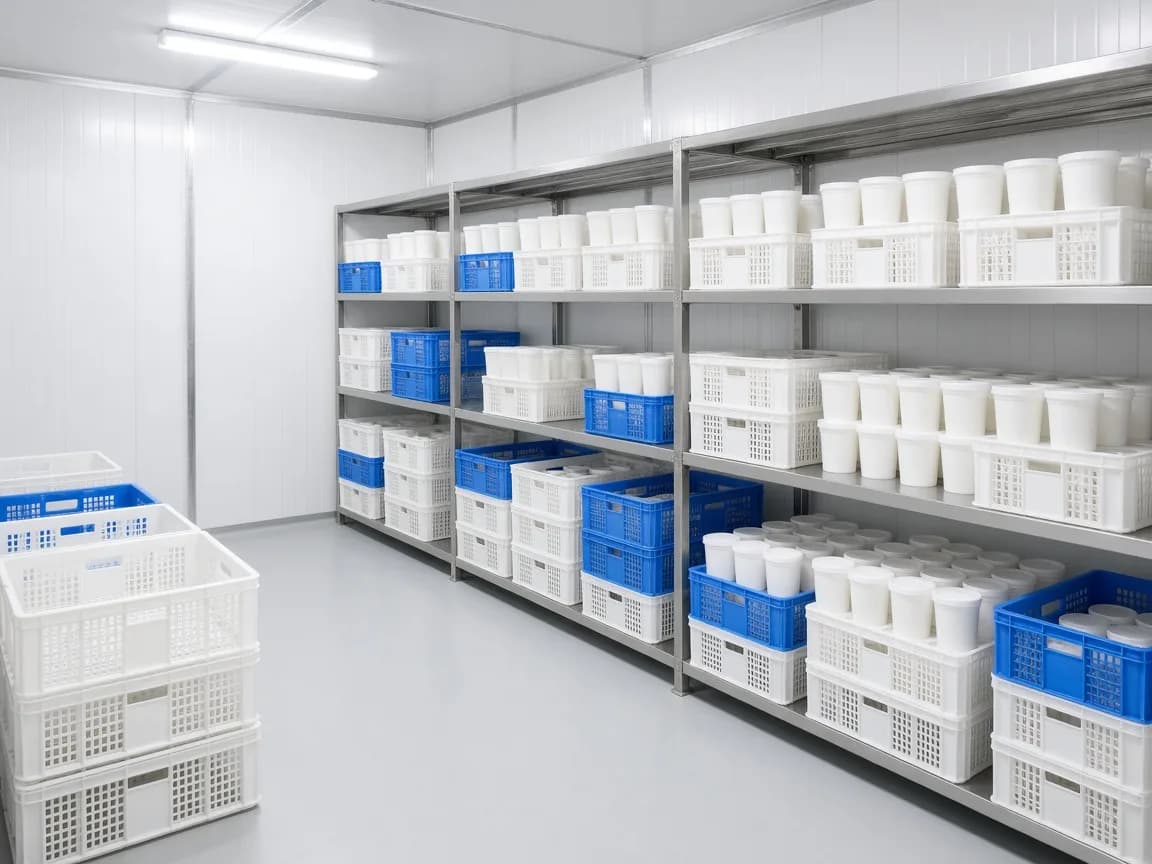
Dairy products are often stored around 2°C to 4°C, subject to the specific product, packaging, handling process, and storage requirement.
Commonly 0°C to 4°C
Commonly 0°C to 4°C
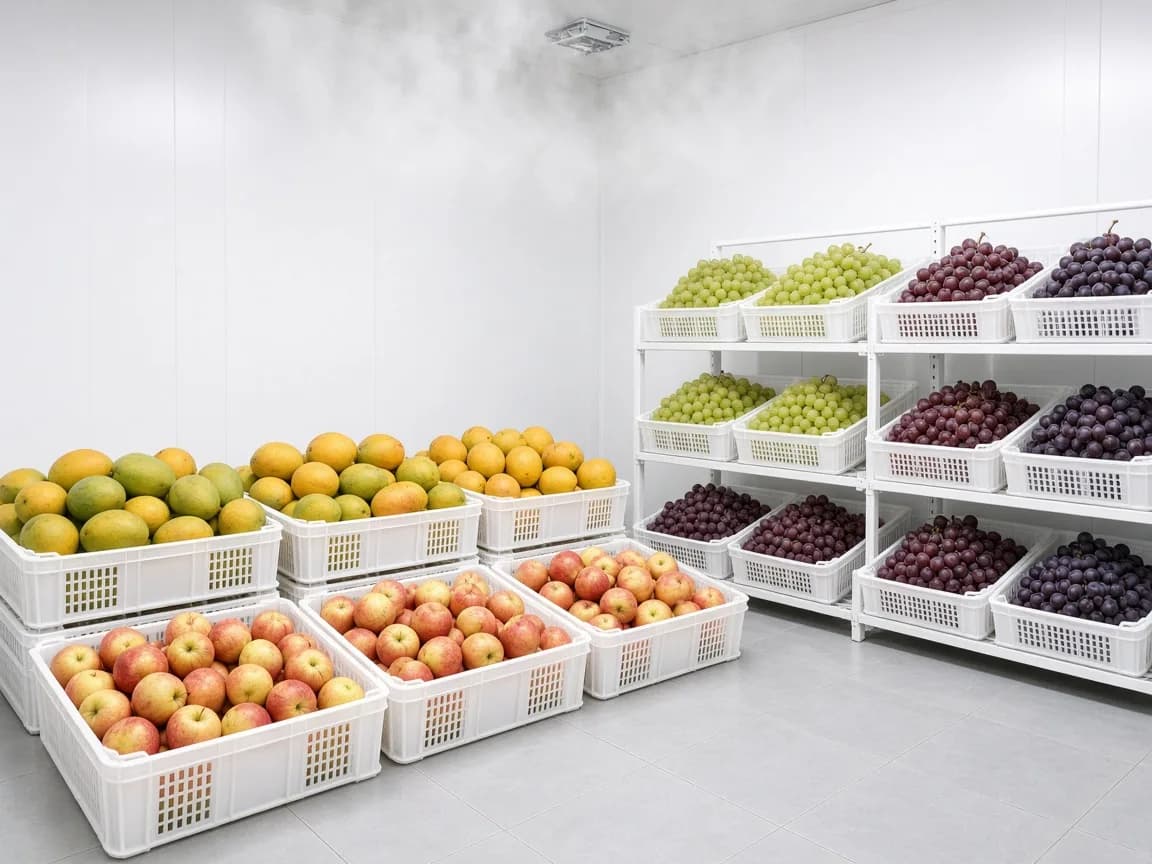
Many fruits are commonly held around 0°C to 4°C, although the suitable range depends on the fruit type, condition, packaging, and storage process.
Commonly 0°C to 4°C
Commonly 0°C to 4°C
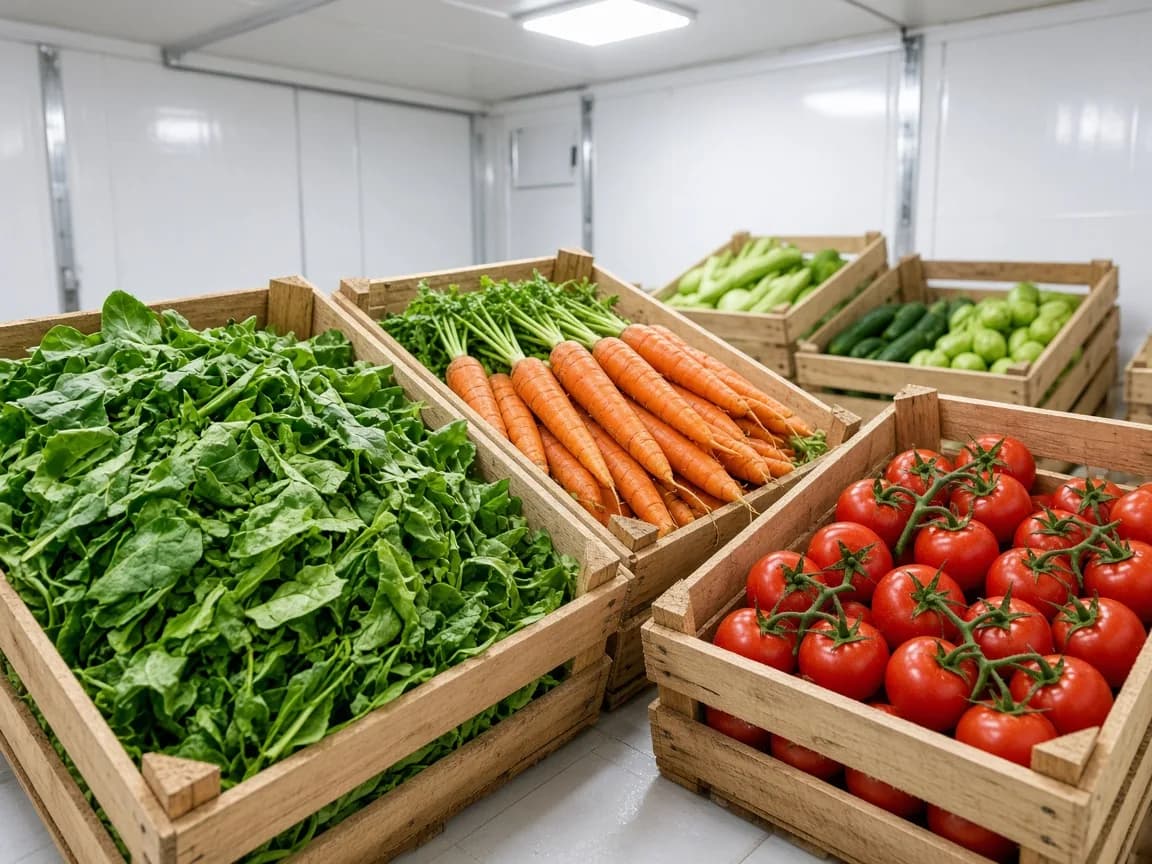
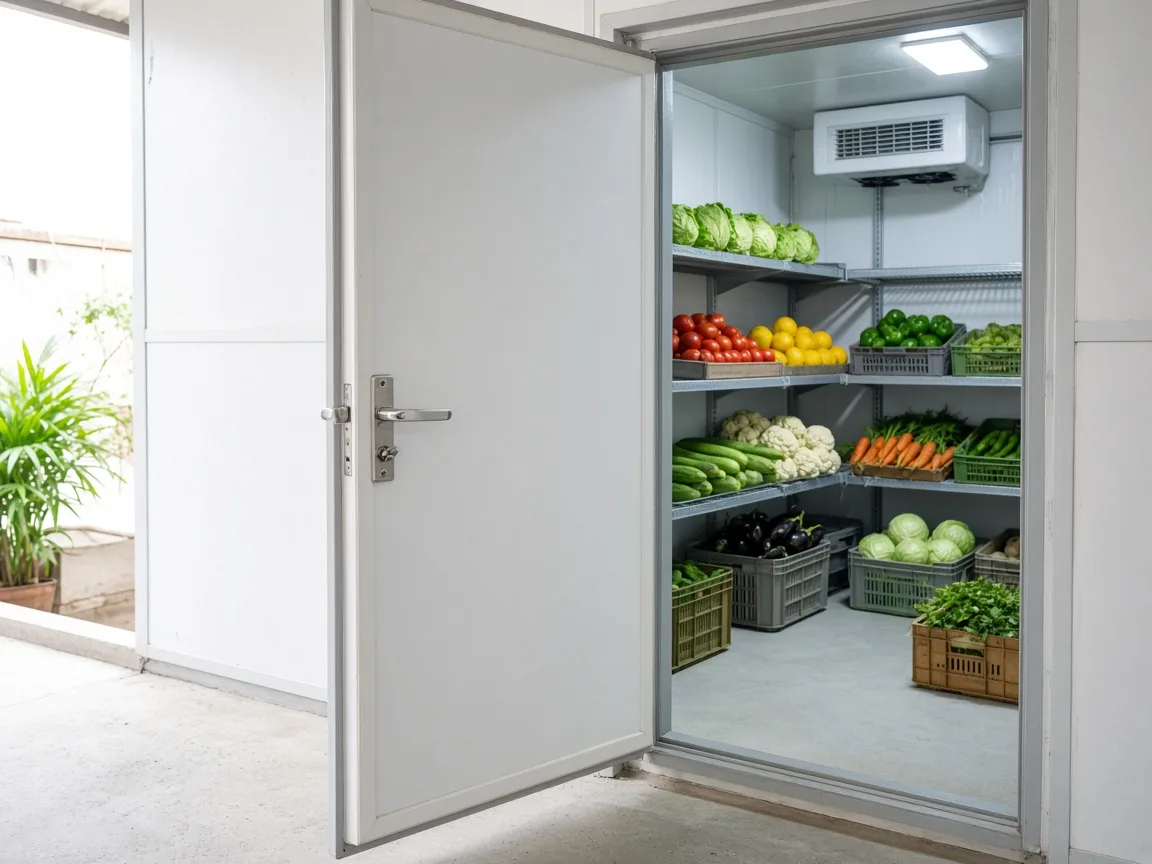
Many vegetables are commonly stored around 0°C to 4°C, with the actual temperature and humidity determined by the specific commodity.
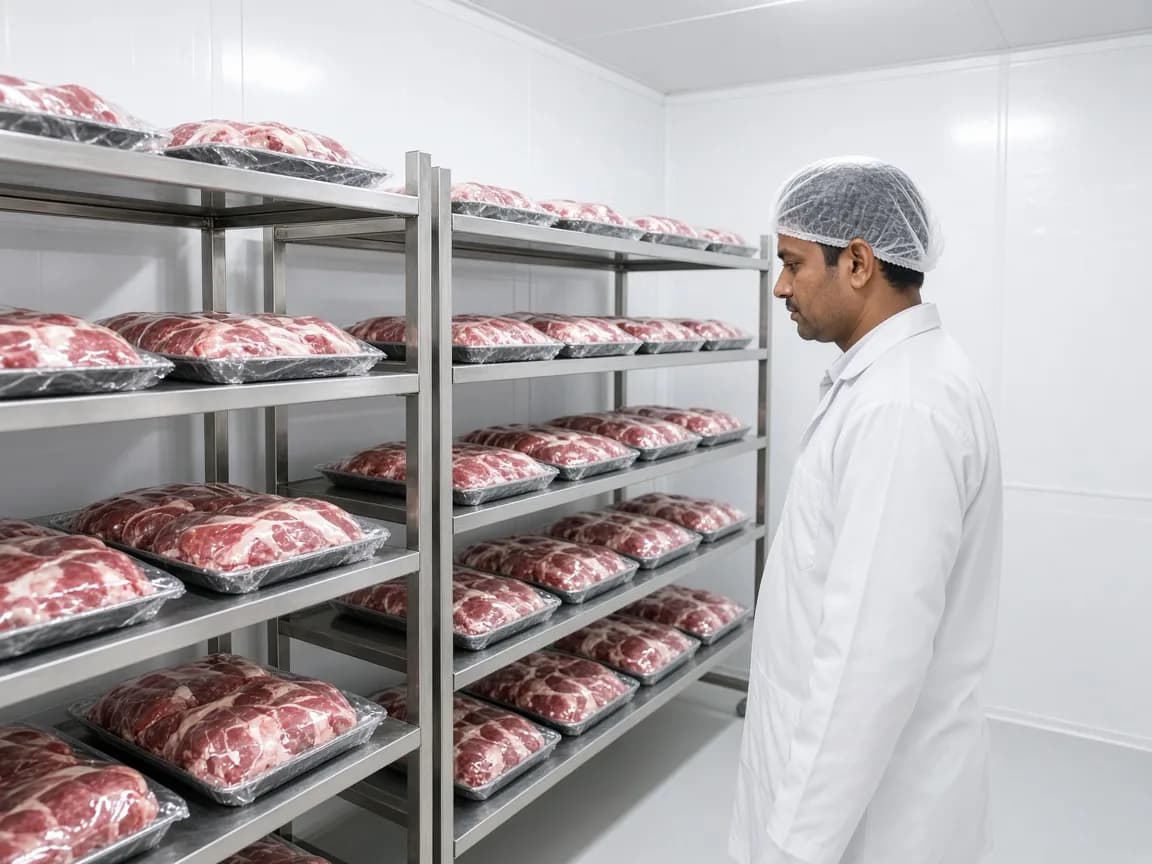
Commonly 0°C to 4°C
Commonly 0°C to 4°C
Fresh meat is commonly held around 0°C to 4°C, subject to the product condition, handling process, packaging, and required storage period.
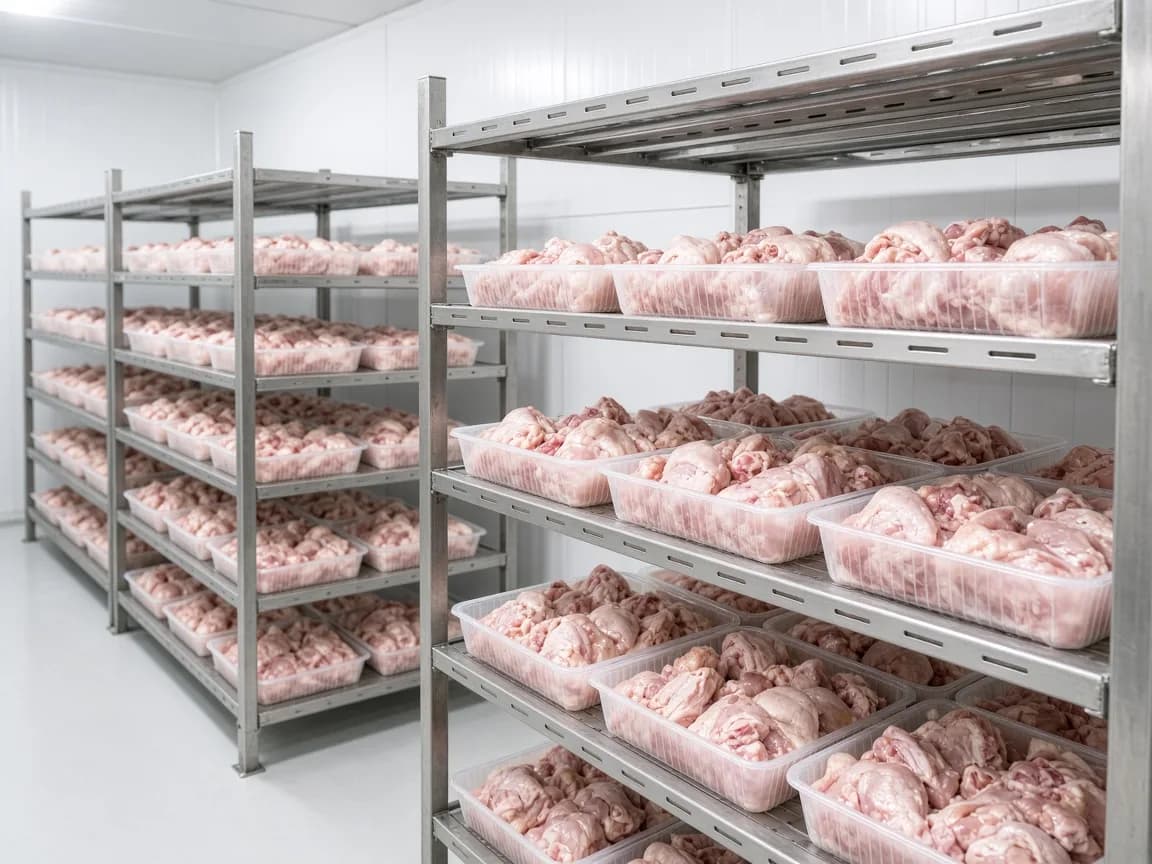
Commonly 0°C to 4°C
Commonly 0°C to 4°C
Fresh poultry is commonly held around 0°C to 4°C, with the exact operating conditions determined by the product and applicable storage requirements.
Commonly 2°C to 8°C
Commonly 2°C to 8°C
Many medicines and vaccines are commonly designed around 2°C to 8°C, subject to the product specification and required monitoring conditions.
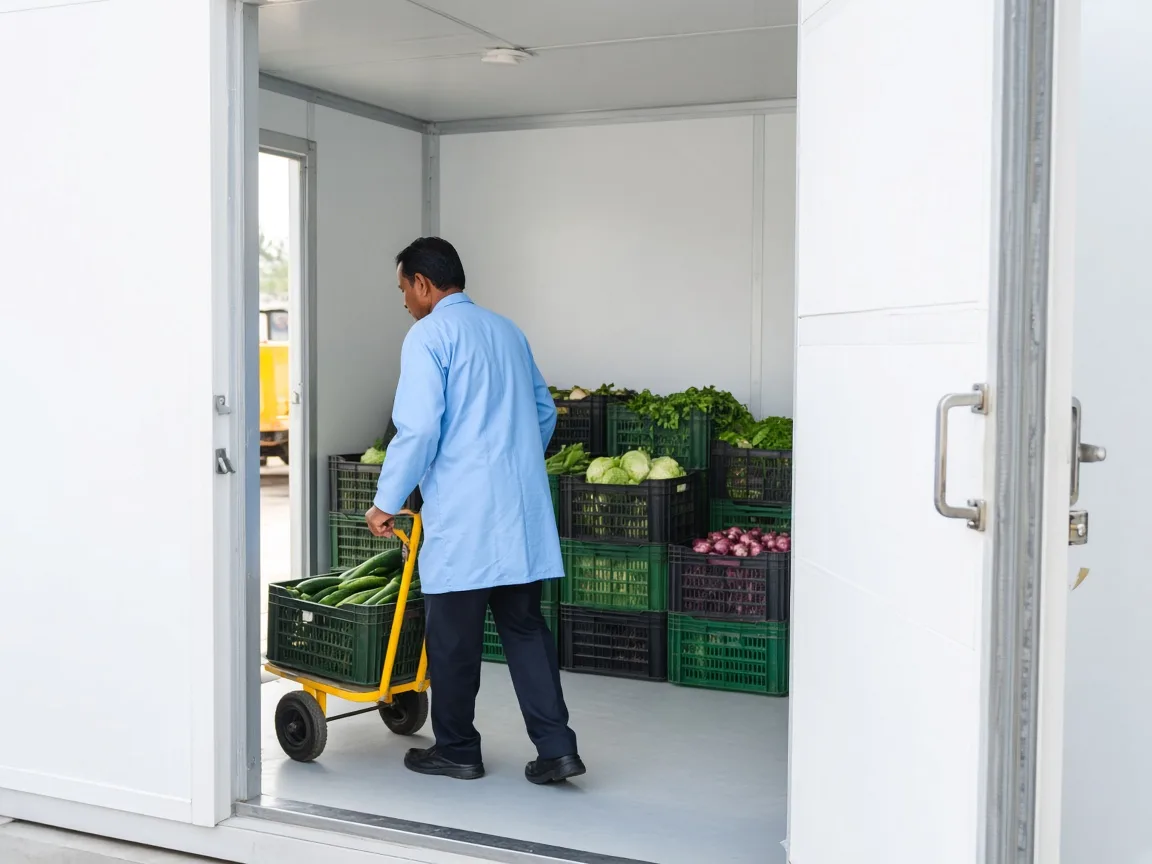
Accessible chilled storage
Accessible chilled storage
Walk in chiller rooms provide accessible chilled storage where personnel and handling equipment need to enter for loading, unloading, inspection, and product movement.
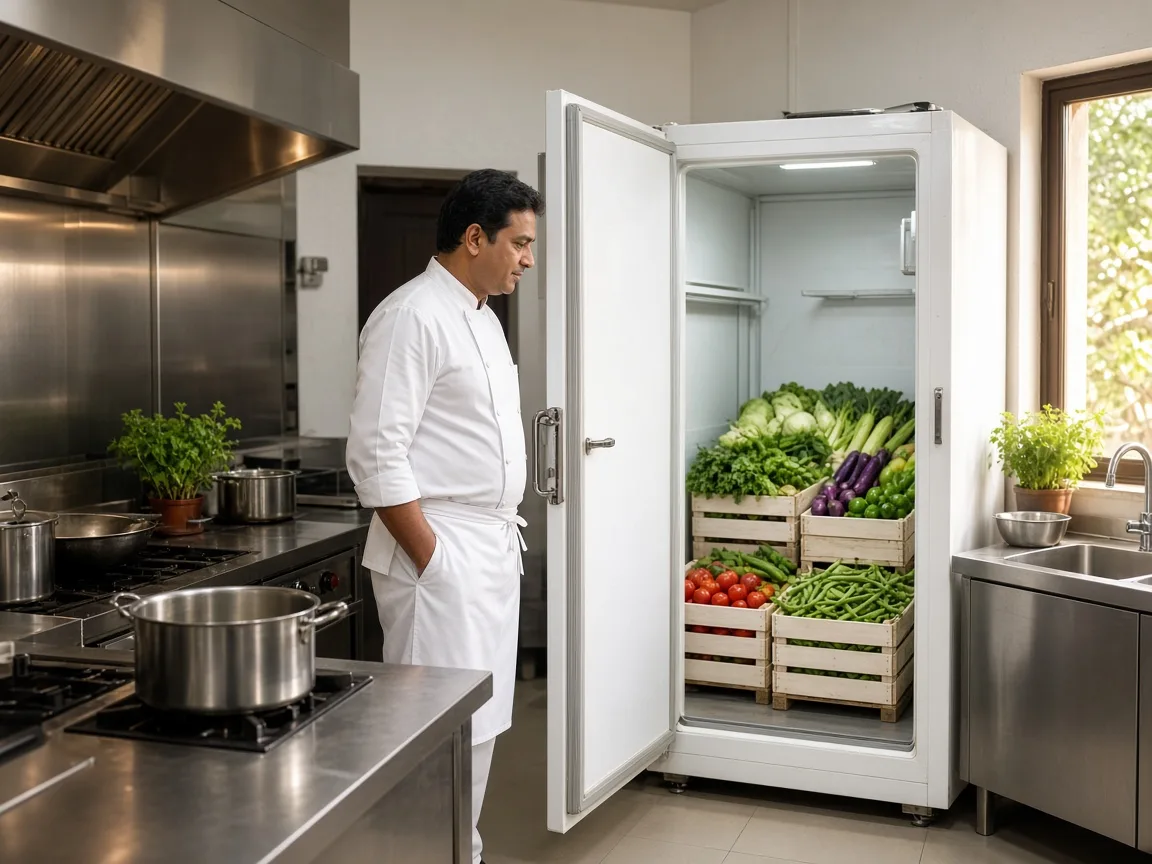
Hotels and food service
Hotels and food service
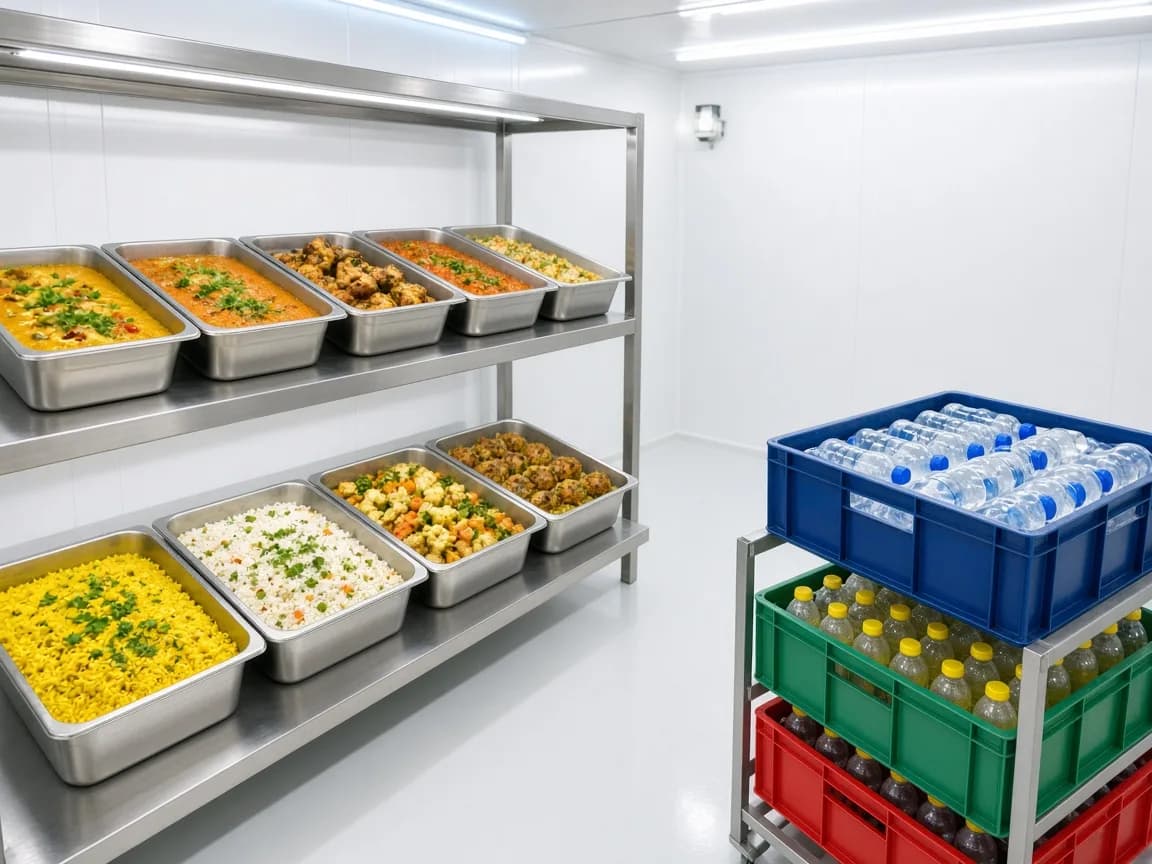
Commercial chiller rooms can support hotels, restaurants, food service operations, distribution facilities, and other businesses requiring controlled chilled storage.
Share your product, required temperature, approximate capacity, incoming product temperature, available space, and project location with our engineering team.
Temperature ranges
Chilled Storage Based on the Product. The required chiller room temperature depends on the product, incoming condition, packaging, storage duration, humidity, room size, daily movement, and operating process. The refrigeration system, insulation, airflow, doors, controls, and monitoring are selected from these requirements.
+2°C to +8°C
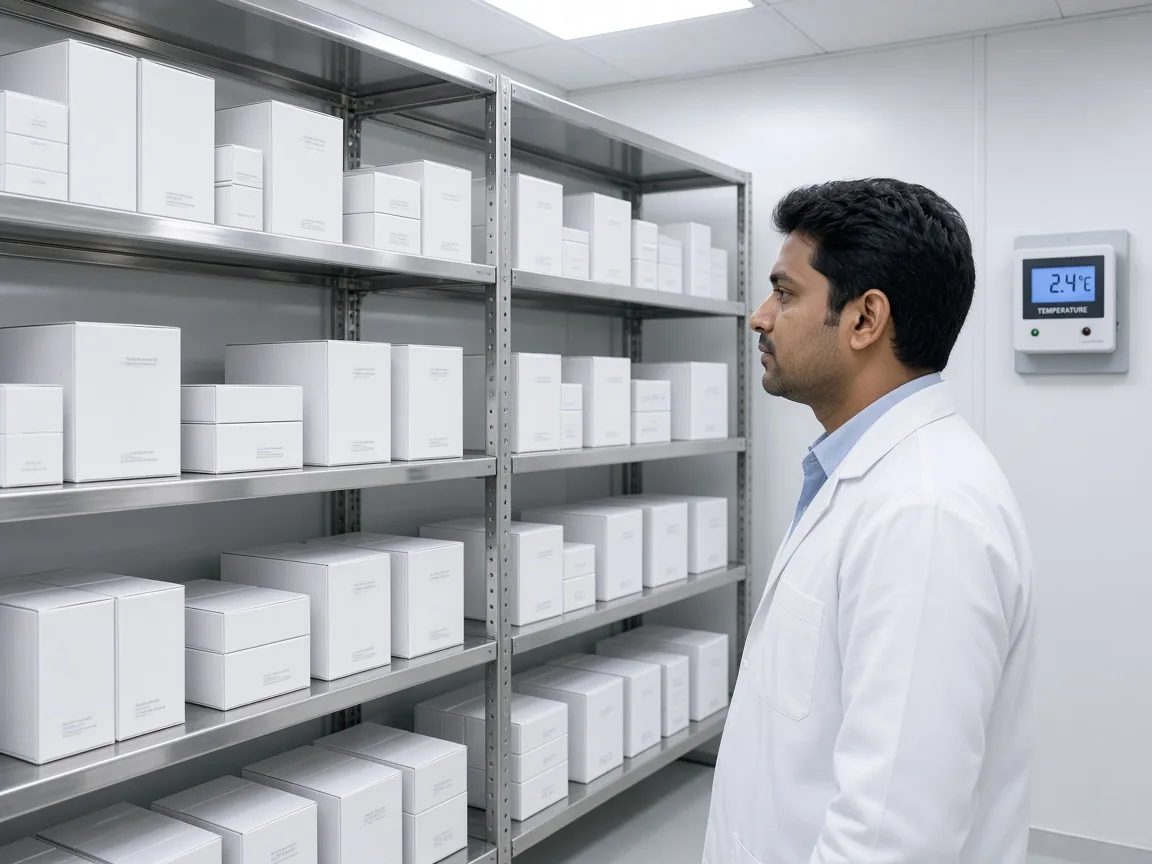
Medicines and vaccines are commonly designed around 2°C to 8°C, while dairy and selected fresh products can require similar chilled conditions. The exact operating range should be confirmed from the product specification.
Actual temperature and humidity requirements depend on the stored product and operational conditions.
Industries
Chilled storage requirements vary between products, so the chiller room is designed around the product condition, required temperature, storage quantity, humidity, handling process, and facility operation.
Fresh and chilled
Chiller rooms provide controlled storage for fresh and chilled food products according to their specified temperature and humidity requirements.
Commodity specific
Fresh produce can require controlled temperature and humidity conditions, with the chiller room designed around the specific commodity and storage process.
Chilled or frozen
Dairy products commonly require chilled storage around 2°C to 4°C, while ice cream requires frozen conditions and should be stored in a freezer room.
Commonly 2°C to 8°C
Many medicines and vaccines are commonly designed around 2°C to 8°C, with monitoring and alarm functions configured according to the product requirement.
Commonly 0°C to 4°C
Fresh meat and poultry are commonly held around 0°C to 4°C, subject to the product condition, packaging, handling process, and storage requirement.
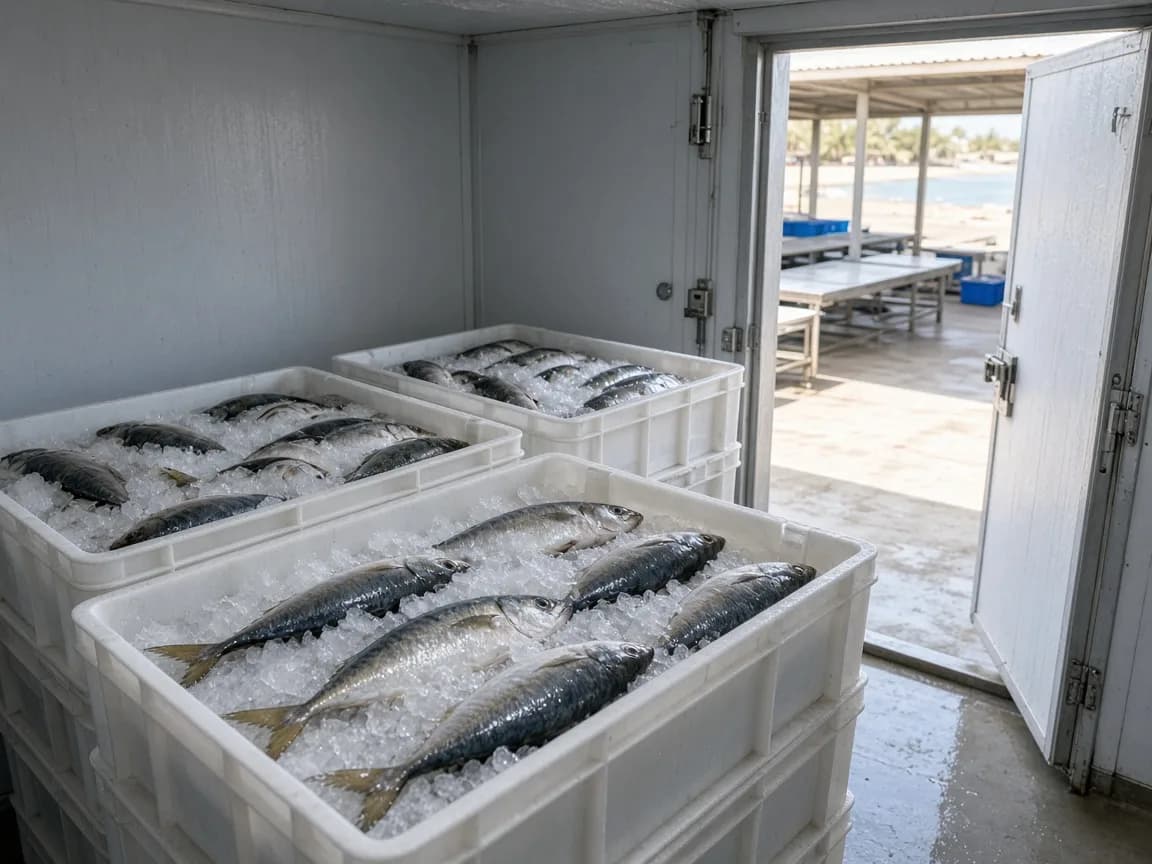
Chilled or frozen
Seafood can require chilled or frozen storage depending on the product, processing stage, packaging, and intended storage conditions.
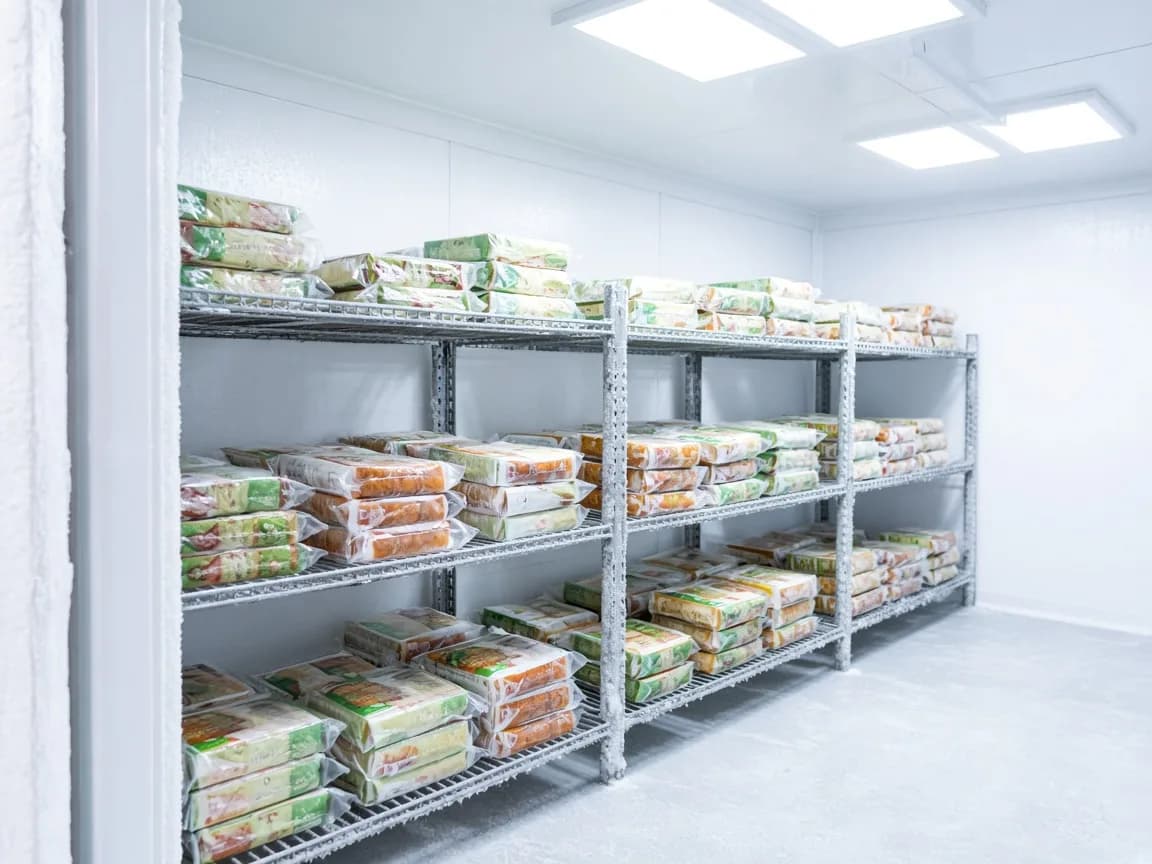
Needs a freezer room
Frozen food requires low temperature storage rather than standard chilled conditions. A dedicated freezer room can be designed when the product requires temperatures near minus 18°C or lower.
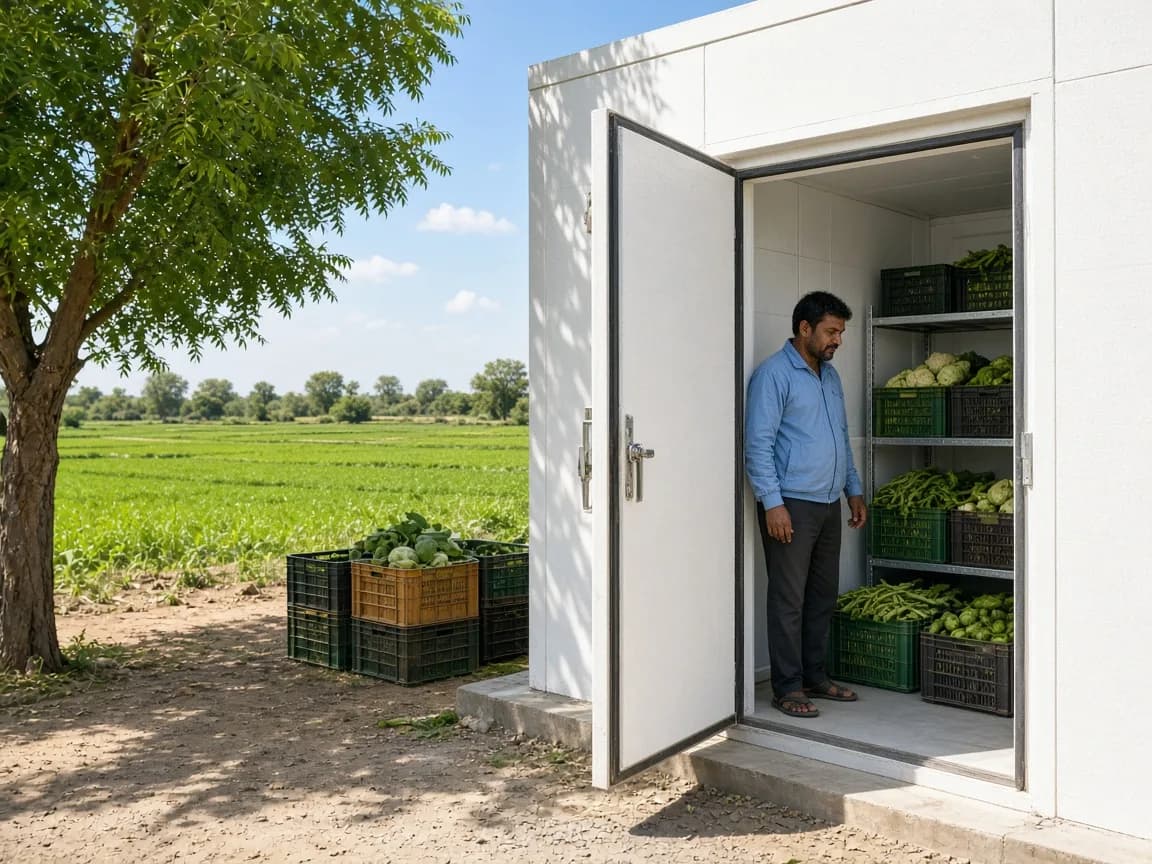
Crop specific
Agricultural products can require different temperature and humidity conditions depending on the crop, packaging, storage period, and handling process.
Kitchen storage
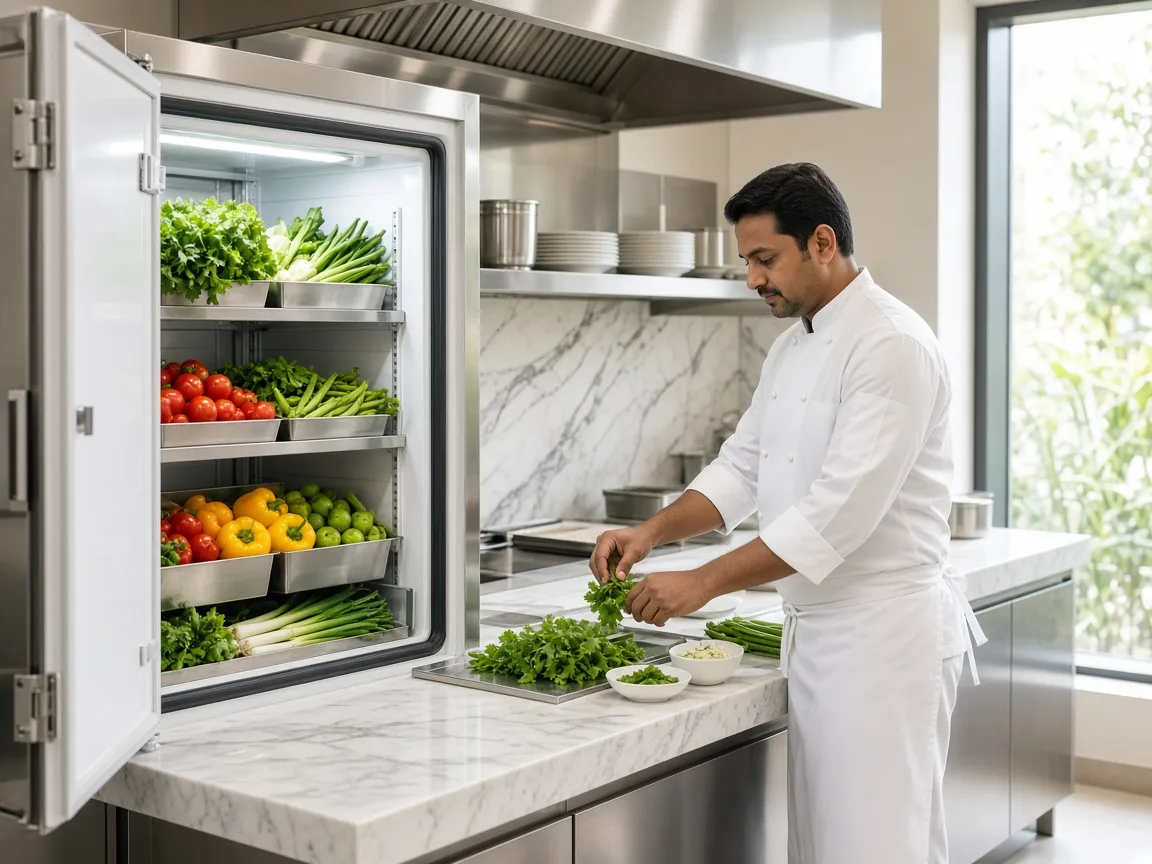
Hotels, restaurants, commercial kitchens, and food service facilities can use chiller rooms for controlled storage of fresh and chilled ingredients.
Before dispatch
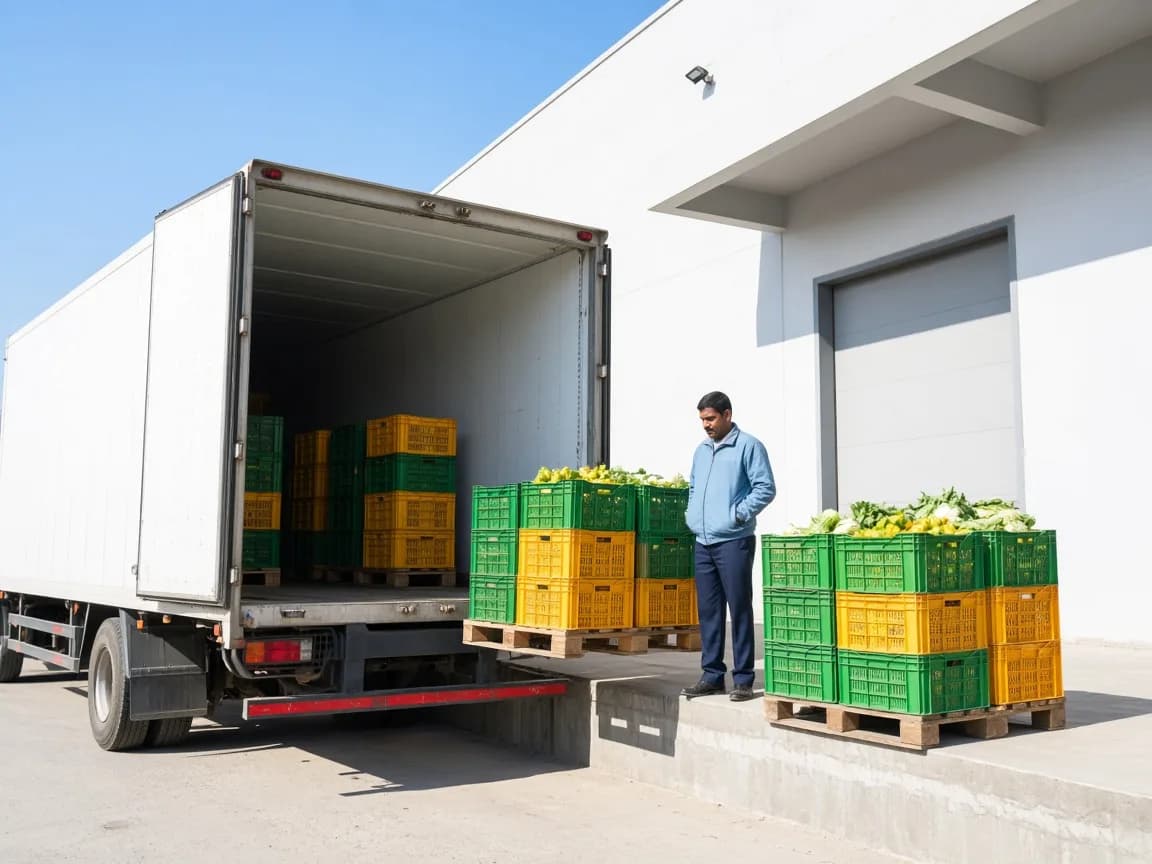
Chiller rooms can support cold chain solutions where temperature sensitive products require controlled storage before dispatch, distribution, or further handling.
Share your product, required temperature, approximate capacity, incoming product condition, available space, and project location so our engineering team can assess the application.
One installation
The Room, Refrigeration, and Controls Work Together. A chiller room requires more than an insulated enclosure. Panels, doors, flooring, evaporators, refrigeration equipment, electrical controls, sensors, monitoring, airflow, and defrost are planned together according to the product, temperature, heat load, room dimensions, and operating conditions.

Inside the Room
The plant
Refrigeration Designed Around the Actual Chilling Load. The refrigeration plant is chosen after the heat load, required temperature, product condition, room dimensions, ambient conditions, door openings, and site utilities are assessed. The system is selected for the actual operating conditions rather than simply the physical size of the room.
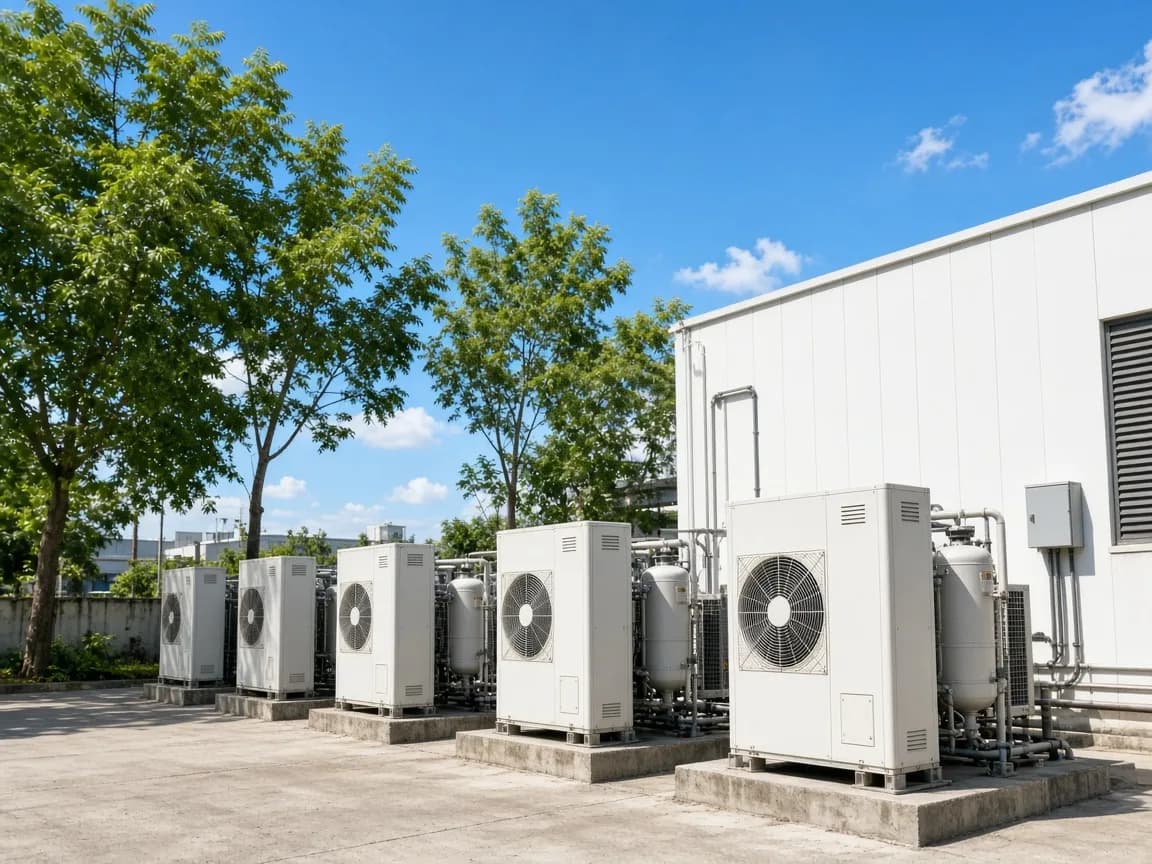
Equipment
Project sequence
A Structured Approach to Chiller Room Projects. Turnkey chiller room projects require coordination between the insulated enclosure, refrigeration plant, electrical controls, monitoring system, flooring, doors, site utilities, and operating requirements. Uniref can coordinate the project from requirement analysis through installation, testing, commissioning, training, and handover.
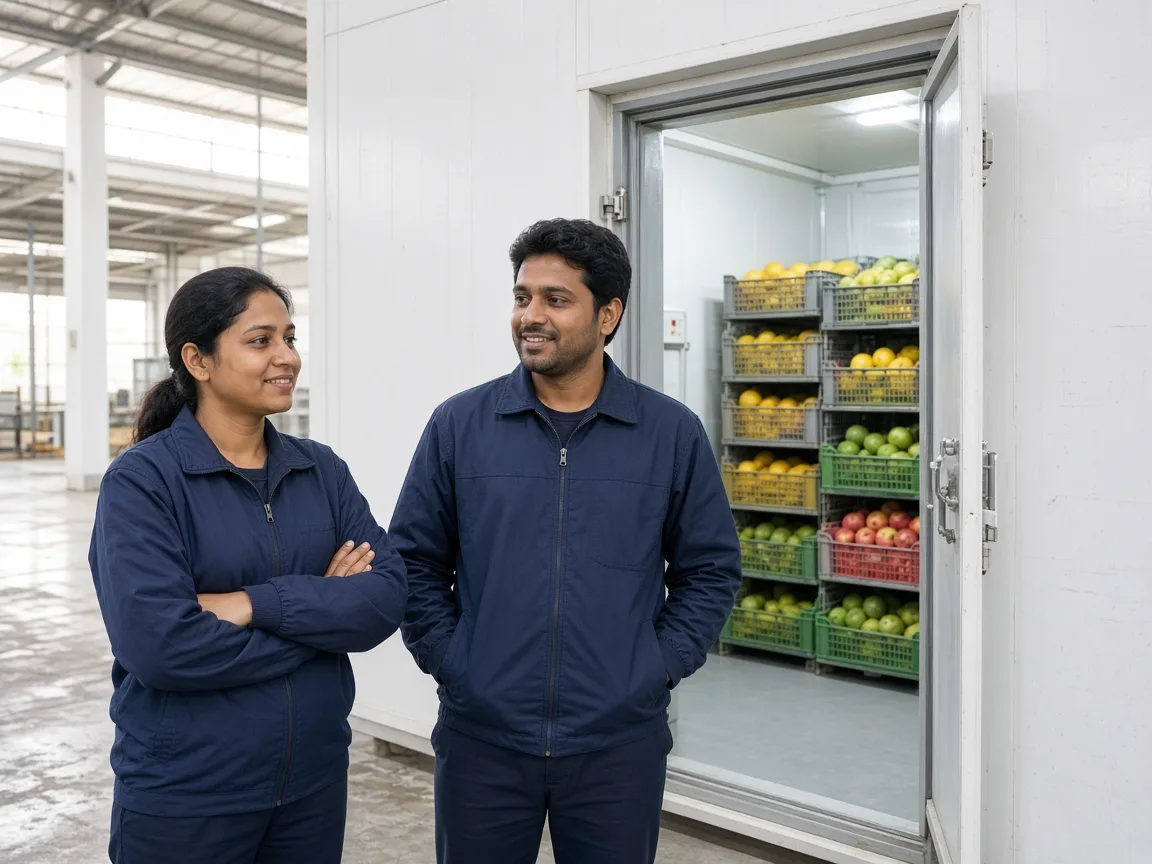
01
Design inputs
The Product, Room, and Site Shape the Design. A chiller room should be designed around the product, required temperature, incoming product condition, storage quantity, room dimensions, humidity requirements, refrigeration load, and operating process. Uniref reviews these factors along with site conditions and available utilities before finalizing the chiller room system.
What will be stored?
The product determines the required chilled temperature, humidity, airflow, refrigeration load, insulation requirements, and storage arrangement.
Capacity in MT, pallets, or volume
The required quantity helps establish room dimensions, pallet arrangement, stacking height, aisles, refrigeration demand, and available operating space.
Temperature when goods enter
Incoming product temperature affects refrigeration demand and helps determine the required pull down and holding conditions.
Quantity entering per day
Daily product movement affects refrigeration load, door openings, loading frequency, and chiller room utilization.
Operating range
The specified temperature range provides the basis for refrigeration equipment, insulation, evaporator selection, controls, and monitoring.
Required relative humidity
Humidity requirements are reviewed according to the stored product, packaging, airflow, moisture loss, and intended storage conditions.
Available space
Available floor area, ceiling height, access, equipment locations, and surrounding infrastructure influence the room dimensions and layout.
Door openings and traffic
Door opening frequency and traffic affect heat infiltration and influence door selection, airflow, refrigeration load, and operating conditions.
Local Indian climate
Ambient conditions at the project location affect heat load calculations and refrigeration equipment selection.
Power availability
Available electrical supply and site utilities are reviewed before refrigeration equipment and electrical controls are finalized.
Backup, if applicable
Where backup power or other continuity provisions are required, these can be considered according to the facility requirements.
The project is developed by an experienced cold storage engineering company with engineering coordination from Jaipur.
Share your product, required temperature, approximate capacity, incoming product temperature, available space, and project location with our engineering team.
Operating efficiency
Engineering the Complete Refrigeration System. Chiller room operating efficiency depends on the combined performance of insulation, refrigeration equipment, doors, airflow, controls, lighting, and defrost. Uniref considers these elements together when developing the room and refrigeration design.
Select a measure to see how it is built
Visibility
Monitor Temperature, Humidity, and Equipment Conditions. A chiller room can incorporate monitoring functions that provide visibility into temperature, humidity, refrigeration equipment status, alarms, and selected operating parameters. The monitoring arrangement is configured according to the number of rooms, refrigeration equipment, product requirements, and level of control required. Sample figures shown on a diagram are illustrative. A live monitoring panel shows the actual rooms, equipment, and parameters configured for that project.
Digital temperature monitoring provides visibility into the operating temperature of individual chiller rooms and selected equipment.
Humidity monitoring can be included where relative humidity is important for product freshness, quality, moisture retention, or storage conditions.
Alarm systems can identify selected high temperature, low temperature, equipment, electrical, and system conditions requiring operator attention.
Data logging can record selected temperature, humidity, equipment status, alarms, and other operating parameters for review.
Remote monitoring can provide access to selected chiller room and refrigeration information away from the local control panel when required by the project.
The monitoring interface can display selected compressor, condensing unit, evaporator, fan, control, and other equipment status information.
High and low temperature alerts can notify operators when the chiller room moves outside its defined operating range.
Multiple chiller rooms and selected refrigeration equipment can be brought into a centralized control environment according to the project requirement.
IoT integration can be considered when the operation requires additional connectivity, remote data access, or integration with other systems.
Illustrative status
Room
4.2°C
Humidity
76%
Compressor
Running
Defrost
Idle
Sample trend for a holding period. Not a live site reading.
Discuss your refrigeration equipment, temperature requirements, humidity needs, monitoring requirements, and operating conditions with our engineering team.
Working with Uniref
Engineering, Supply, Installation, and Support. A chiller room requires coordination across the insulated enclosure, refrigeration plant, doors, flooring, controls, monitoring, electrical systems, humidity requirements, and storage conditions. Uniref manages these elements around the product, temperature, heat load, and site conditions.
How It Is Designed
The chiller room is developed around the product, required temperature, capacity, incoming product condition, humidity, loading pattern, available space, refrigeration load, and operating conditions.
How It Is Designed
Insulation, compressors, evaporators, doors, airflow, controls, lighting, and defrost are considered together during system design.
How It Is Delivered
The project scope can include requirement analysis, site assessment, heat load calculation, chiller room design, equipment selection, manufacturing and supply, installation, testing, commissioning, training, and handover.
How It Is Delivered
Refrigeration equipment and associated components are selected according to the calculated load, operating temperature, ambient conditions, and project requirements.
How It Stays Running
Uniref supports chiller room project requirements across India, with engineering coordination from Jaipur and support through its operating network.
How It Stays Running
Post installation support can include preventive maintenance, AMC, breakdown support, spare parts, system inspection, refrigeration repairs, performance optimization, and selected upgrades.
Uniref works as a cold storage solution provider for businesses that require controlled chilled storage with coordinated refrigeration engineering and project support.
What you store
The Product Inside the Room Determines the Design. The correct chiller room starts with the product inside it, not simply the industry name. Product condition, incoming temperature, packaging, quantity, storage duration, humidity, airflow, and daily movement all influence the room and refrigeration design.
Many fruits are commonly held around 0°C to 4°C, although the suitable range depends on the specific fruit, condition, packaging, and storage process.
Many vegetables are commonly stored around 0°C to 4°C, but temperature and humidity requirements vary by commodity and storage duration.
Dairy products are often stored around 2°C to 4°C, subject to the specific product, packaging, handling process, and storage requirement.
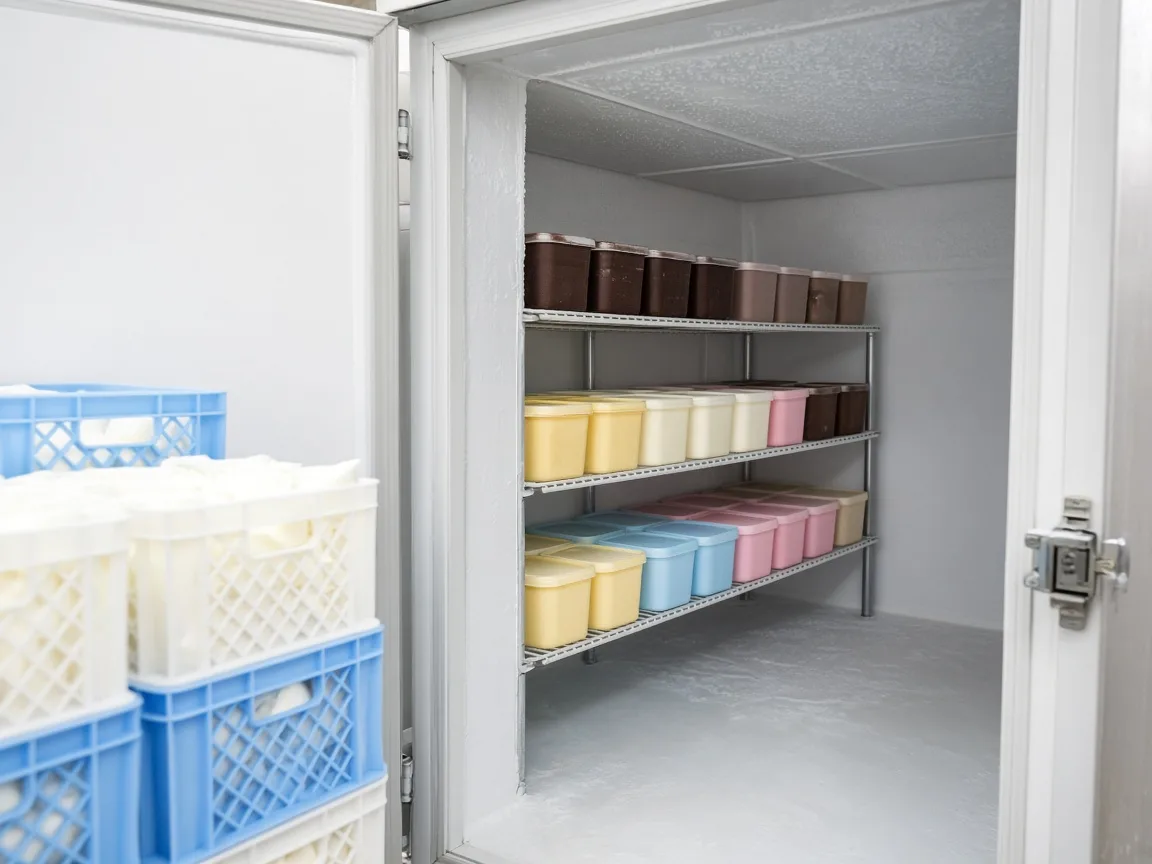
Ice cream requires frozen storage, commonly near minus 18°C or lower. It should be stored in a freezer room rather than a standard chiller room.
Fresh meat is commonly held around 0°C to 4°C, subject to the product condition, packaging, handling process, and storage duration.
Fresh poultry is commonly held around 0°C to 4°C, with the exact temperature determined by the product specification and operating requirements.
Seafood can require chilled or frozen storage depending on the product, processing stage, packaging, and intended storage duration.
Frozen food is commonly stored near minus 18°C or lower and requires a freezer room designed for low temperature operation.
Medicines are commonly designed around 2°C to 8°C when that range is specified by the product. The exact storage requirement must always be confirmed from the product specification.

Vaccines are commonly stored around 2°C to 8°C, subject to the specific product requirements and applicable storage procedures.
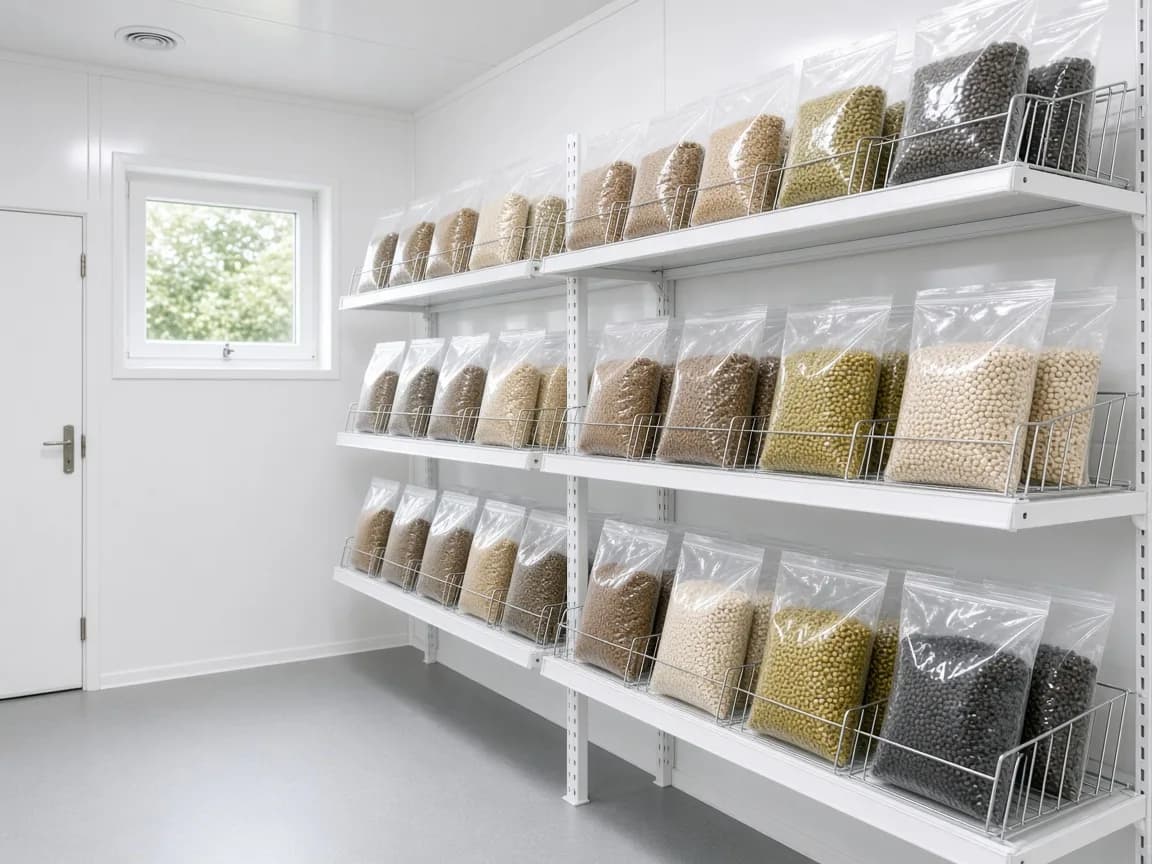
Seed storage requirements vary by seed type, moisture condition, temperature, and intended storage period. The room should be designed from the actual storage specification.

Flowers are typically stored around 1°C to 5°C, with the suitable temperature and humidity depending on the specific flower type, packaging, and storage process.
These temperature ranges are typical guidance only. Temperature controlled storage solutions should always be designed from the actual product specification and operational conditions.
Share your product type, required temperature, humidity requirement, approximate capacity, storage duration, and project location with our engineering team.
Documentation
Quality and Compliance Documentation. Uniref has quality documentation on file for cold rooms, heat exchangers, condensing units, and their parts, including ISO 9001:2015, certificate QMS/23M0934, GMP, certificate GMP/23M0935, and CE compliance with the Machinery Directive 2006/42/EC, certificate CE/23M0936. These documents were first registered on 7 April 2023, with recertification due on 6 April 2026. Ask the Uniref team for the current documents applicable to your project.
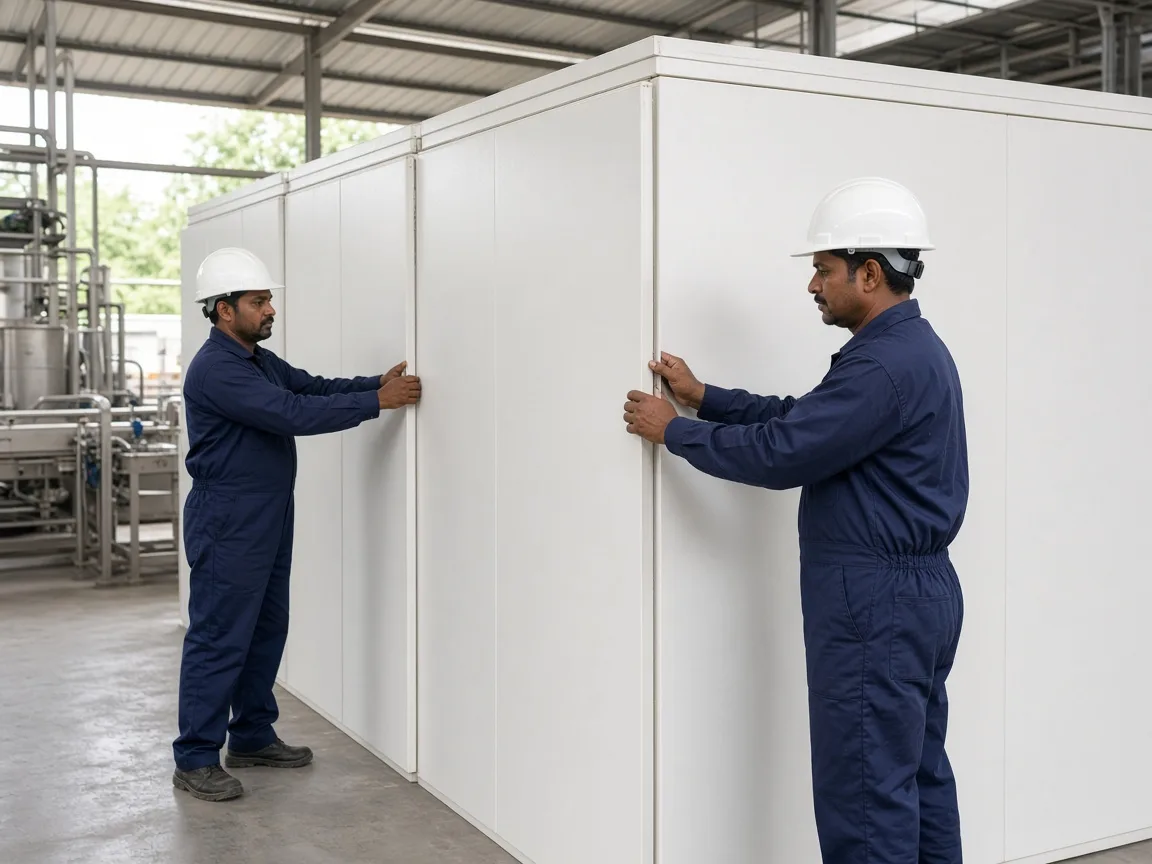
Uniref supports chilled storage projects as a cold storage manufacturer in India, coordinating engineering, supply, installation, and commissioning.
Materials and internal surfaces are selected according to the application, product handling requirements, hygiene conditions, and intended operating environment.
Panels, insulation, doors, flooring, and refrigeration equipment are considered together to support the specified chilled temperature and humidity conditions.
Electrical controls, wiring, protection devices, and associated equipment are selected and installed according to the refrigeration system and project requirements.
Selected refrigeration, electrical, and chiller room components are assessed according to the system requirements before being incorporated into the project.
Chiller room construction is planned with consideration for cleaning, product handling, internal access, joints, surfaces, and the operating environment.
Safety functions and control arrangements are incorporated according to the refrigeration system, electrical equipment, chiller room operation, and project requirements.

After a service visit
2.1°C
A controller check on an installed room. The figure is illustrative, not a live site reading.
After handover
Support After Your Chiller Room Is Commissioned. A chiller room requires ongoing attention to refrigeration equipment, insulation, doors, controls, sensors, humidity conditions, and operating parameters. Uniref provides post installation support according to the installed system and facility requirements. Uniref also supports projects as a cold storage installation company, with service requirements assessed according to the installed system.
01 / 08
Service log
Planned maintenance can include inspection of compressors, condensing units, evaporators, electrical controls, sensors, doors, insulation, defrost systems, and monitoring equipment.
Questions
A chiller room is an insulated temperature controlled room designed to maintain chilled conditions for products that should remain above freezing or within another specified refrigerated range. The system can include insulated panels, doors, flooring, evaporators, compressors, condensing units, controls, sensors, monitoring, and humidity management. The final configuration depends on the product, required temperature, storage quantity, incoming product condition, room dimensions, daily movement, ambient conditions, and calculated refrigeration load.
Tell Us What You Need to Store
Share your storage product, required temperature, humidity requirement, approximate capacity, and project location so our engineering team can understand the application and define the next steps.
Tell Us What You Need to Store
Share your storage product, required temperature, humidity requirement, approximate capacity, and project location so our engineering team can understand the application and define the next steps.


