
01
Chilled Cold Storage
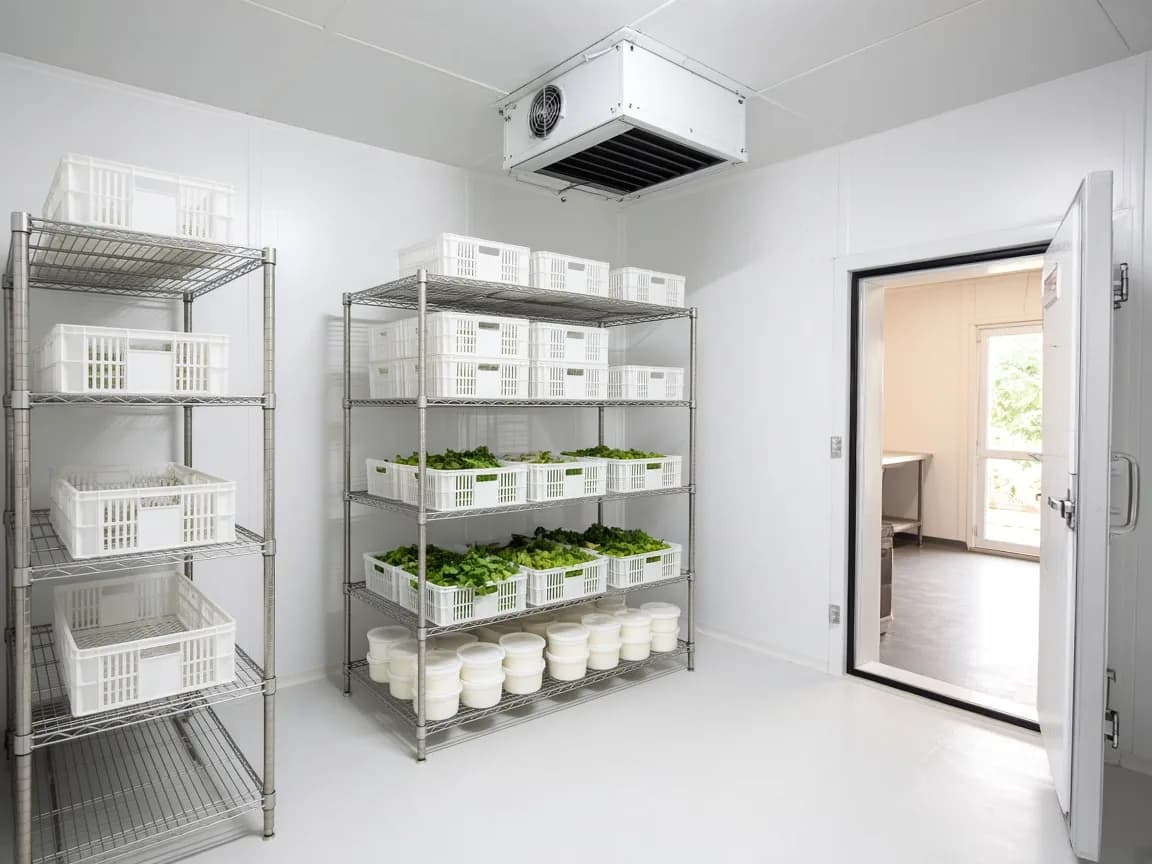
Chilled cold storage is designed for products that require controlled temperatures above freezing. Applications can include fresh food, dairy, pharmaceuticals, and other temperature sensitive products.
Learn MoreEngineered Cold Storage for Temperature Sensitive Products
Built around your product and process
Uniref designs, supplies, installs, and commissions customized cold storage systems for temperature sensitive products and industrial applications across India. From requirement analysis and heat load calculation to installation and commissioning, each project is developed around the product, operating conditions, and site requirements.
Engineering coordination from Jaipur. Call +91 7222 001 000.
Temperature duty
Ambient
+15°C to +25°C
Envelope, racking and plant, designed as one system.
20+ years of experience, 2,500+ projects completed, offices in Jaipur, Chennai, Delhi and Indore, 40+ service locations, 4+ assembly facilities.
20+
Years of experience
2,500+
Projects completed
4
Offices in Jaipur, Chennai, Delhi and Indore
40+
Service locations
4+
Assembly facilities
Clients
Companies across food, pharmaceutical, hospitality, and distribution use temperature controlled storage for products that require defined storage conditions, controlled handling, and dependable refrigeration.










Engineering basis
Every cold storage project starts with the product and the way it moves through the facility. Uniref develops cold storage solutions around storage temperature, product quantity, packaging, stacking, aisles, daily movement, available space, and operating conditions.
The engineering scope can cover the complete system, from room construction and refrigeration to controls, monitoring, testing, and commissioning. The result is a cold storage setup planned for the actual requirements of the operation rather than a standard catalogue configuration.
The room dimensions, insulation, refrigeration capacity, layout, and equipment selection are developed according to the product and project requirements.
Temperature control is designed around the required operating range and the product conditions specified for the facility.
Humidity requirements are considered where the stored product requires control of moisture levels during storage.
Room layout, stacking, aisles, product movement, and available space are considered to make practical use of the storage area.
Refrigeration equipment is selected after considering heat load, ambient conditions, temperature requirements, and site utilities.
Controls, sensors, temperature monitoring, alarms, and data logging can provide better visibility into storage conditions.

Configurations
Uniref develops cold storage systems for different products, temperature ranges, storage formats, and operating requirements. The configuration is determined by the product, capacity, handling process, site conditions, and required storage environment.
01
Chilled cold storage is designed for products that require controlled temperatures above freezing. Applications can include fresh food, dairy, pharmaceuticals, and other temperature sensitive products.
Learn More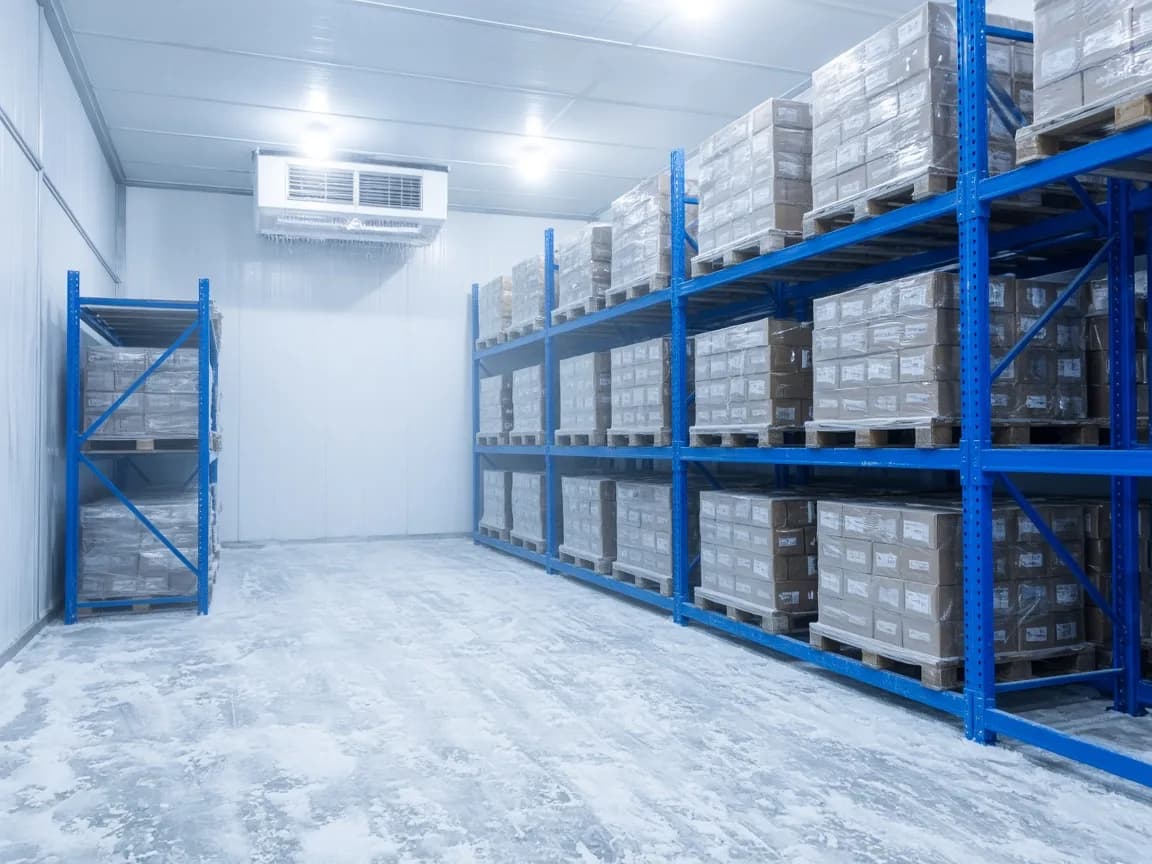
02
Frozen cold storage is designed for products requiring temperatures commonly near minus 18°C or lower. The refrigeration and insulation system are selected according to the product, heat load, storage pattern, and operating conditions.
Learn More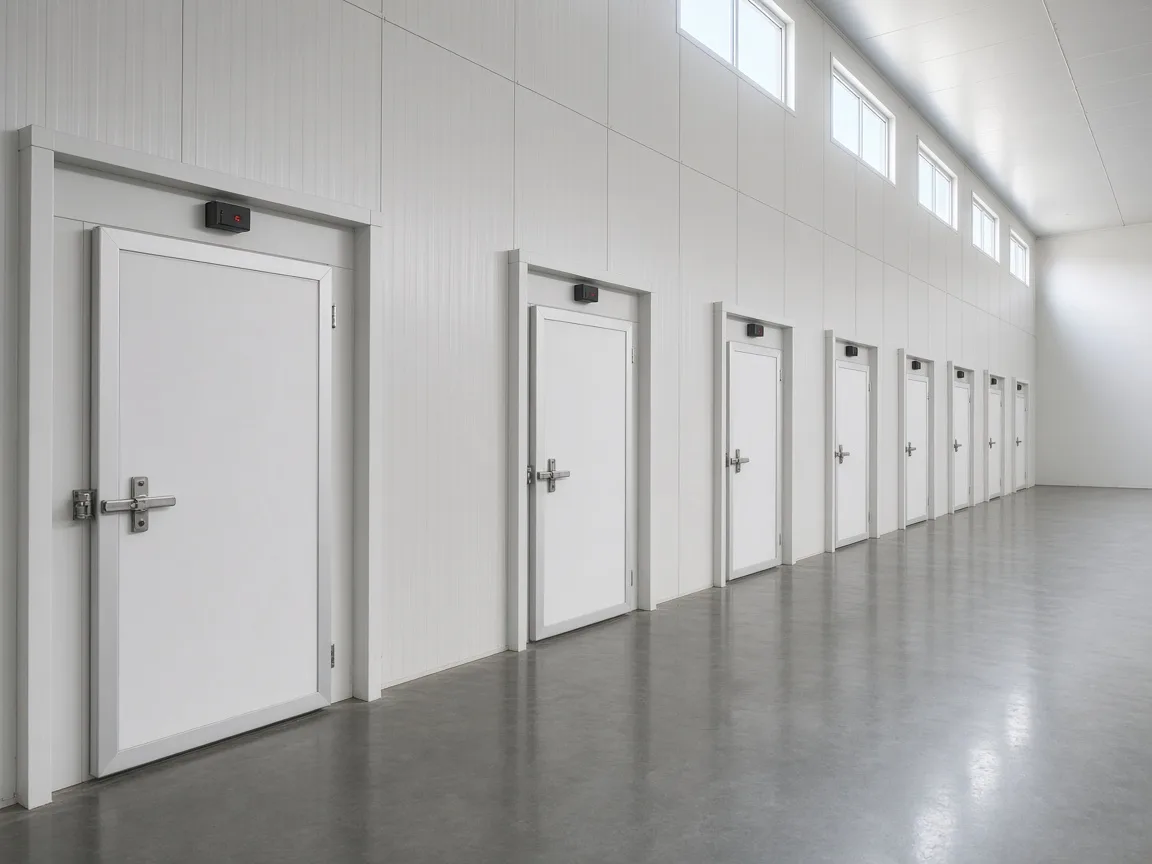
03
Multi temperature cold storage allows different rooms or zones to operate at different temperature requirements within the same facility. This can support operations handling products with separate storage conditions.
Learn More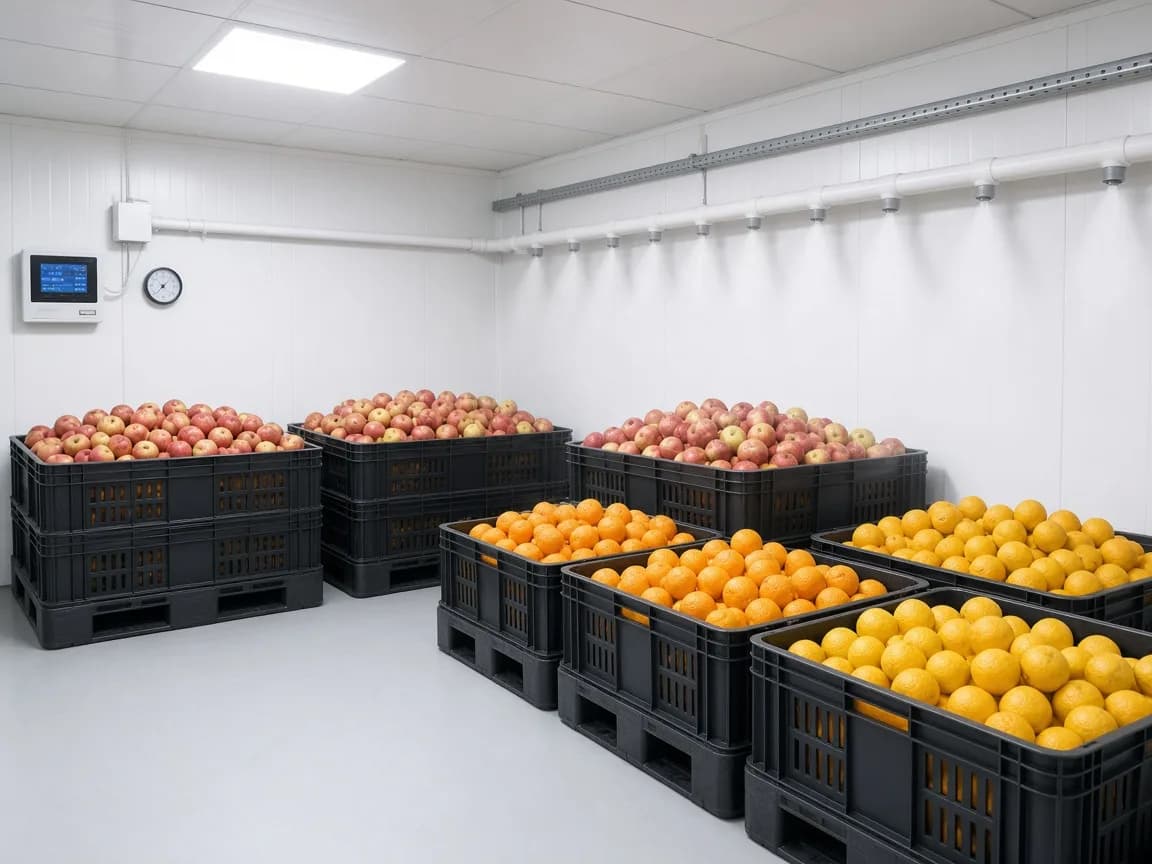
04
Controlled atmosphere cold storage is used where storage conditions require control beyond temperature and humidity. The final configuration depends on the product and its specific storage requirements.
Learn More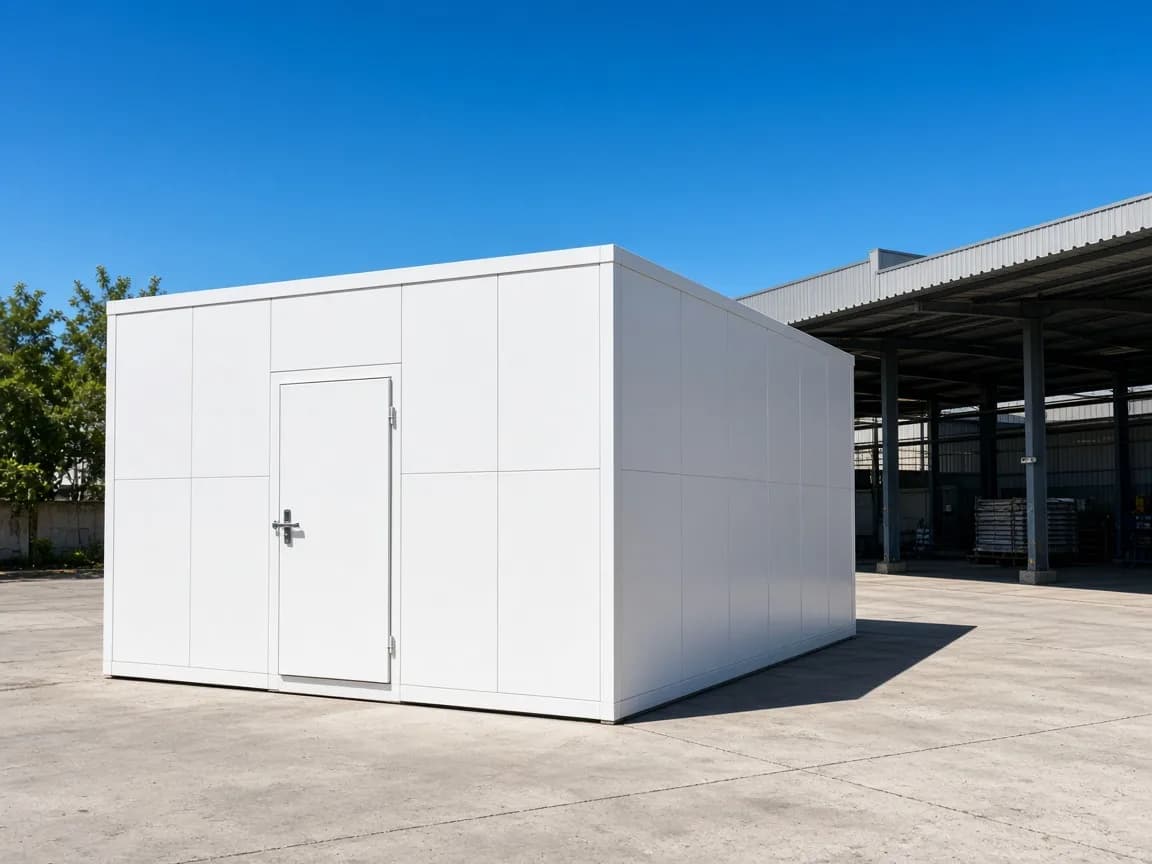
05
Modular cold storage uses an engineered room configuration that can be planned around the available space and operational requirement. It can be considered for commercial cold storage solutions where flexibility in room configuration is important.
Learn More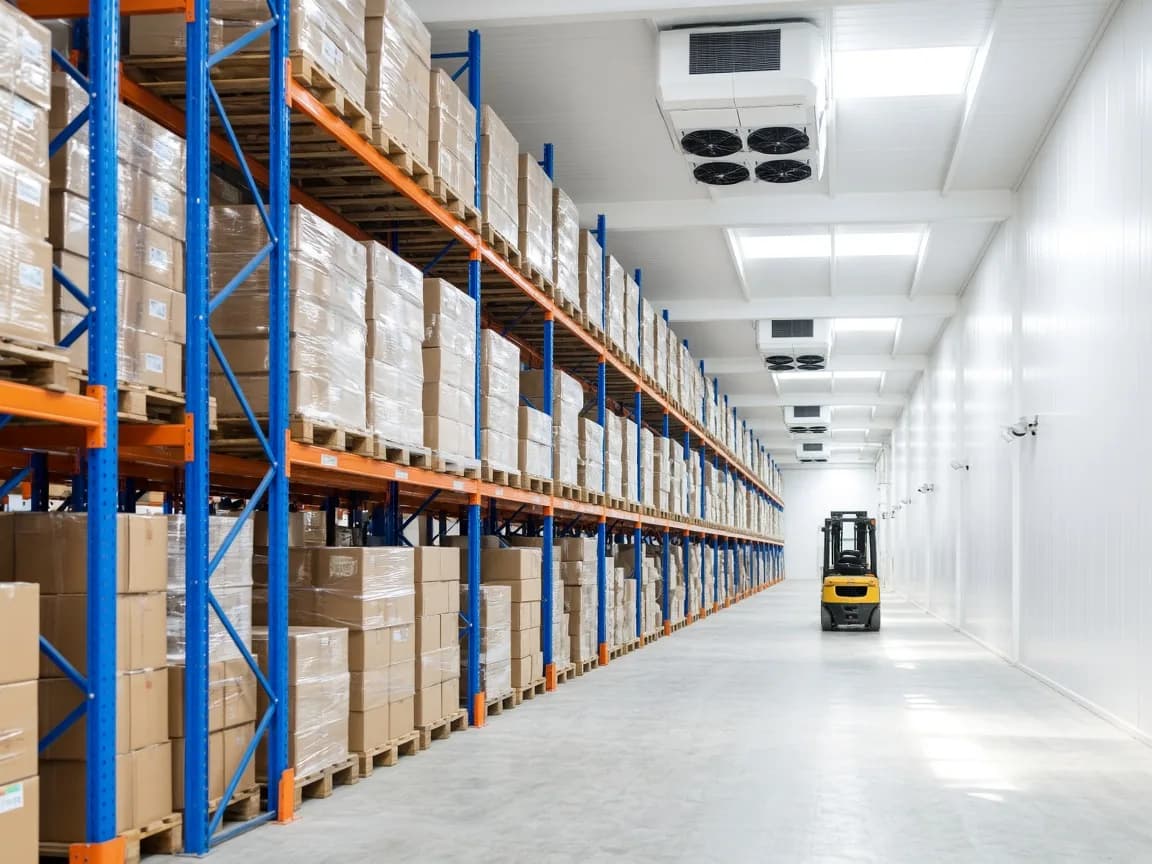
06
Palletized storage is planned around pallet dimensions, stacking arrangements, aisle requirements, product movement, and handling equipment. The room layout is developed to suit the operational flow of the facility.
07
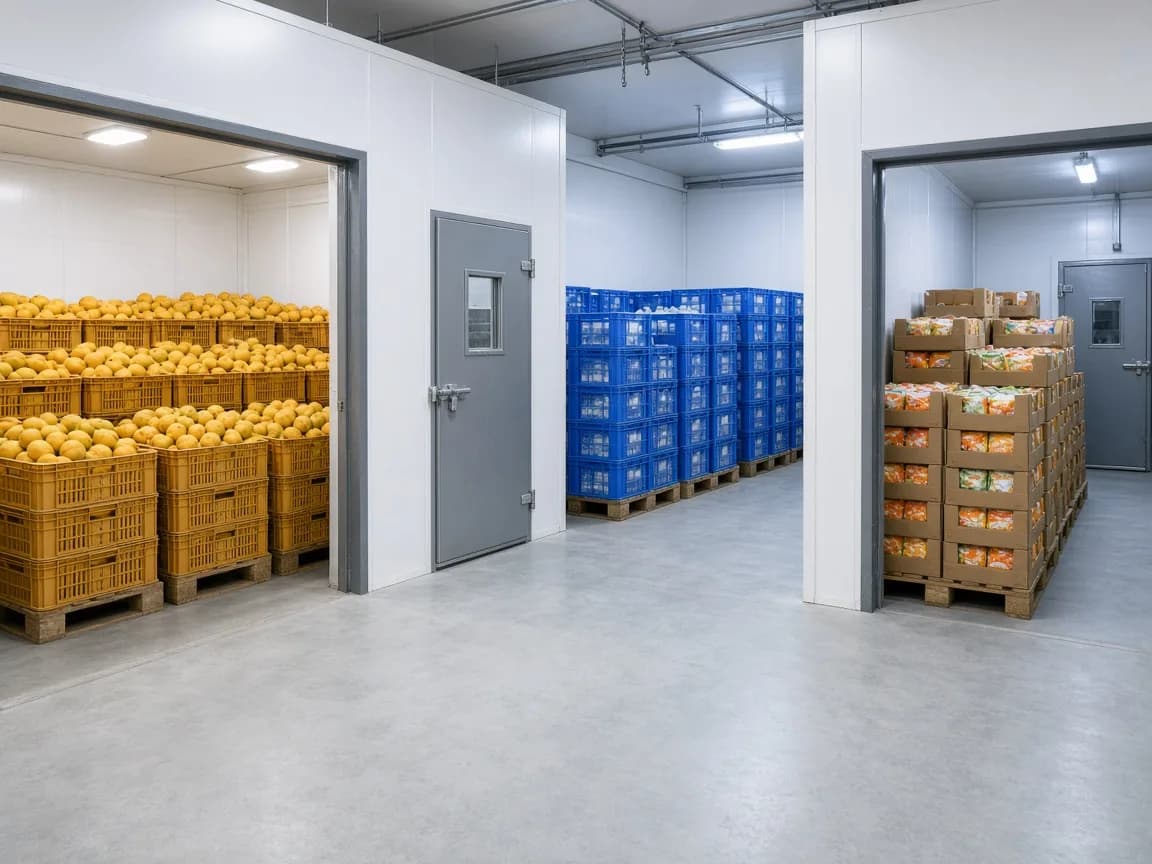
Multi commodity cold storage is designed for facilities handling different products with varying storage requirements. Separate temperature zones and storage conditions can be planned where the product mix requires them.
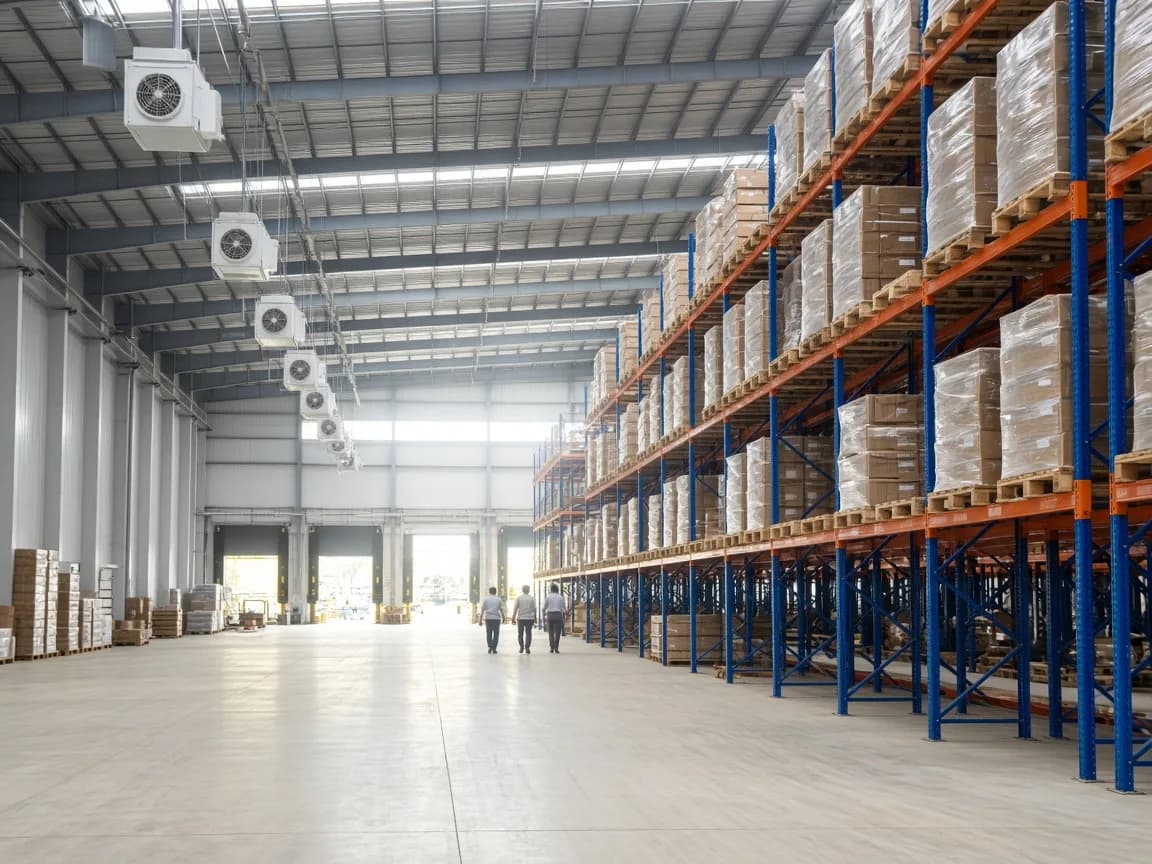
08
Temperature controlled warehouses combine controlled storage environments with planned product movement and storage layouts. These cold storage warehouse solutions can support larger commercial and industrial storage operations.
Learn MorePlanning a Cold Storage Project?
Share your product, storage conditions, capacity requirements, and site details with our engineering team to discuss the right cold storage configuration.
Temperature duty
Cold storage requirements vary by product, packaging, handling process, and operating conditions, so the temperature range is selected according to the intended application.
+2°C to +8°C
This range is commonly used for medicines and vaccines, while dairy and some fresh products may also require similar conditions. The final temperature is confirmed from the product list and applicable storage requirements.
Actual temperature and humidity requirements depend on the stored product and operational conditions.
Industries
Cold storage requirements differ across industries because products have different temperature, humidity, handling, and storage requirements.
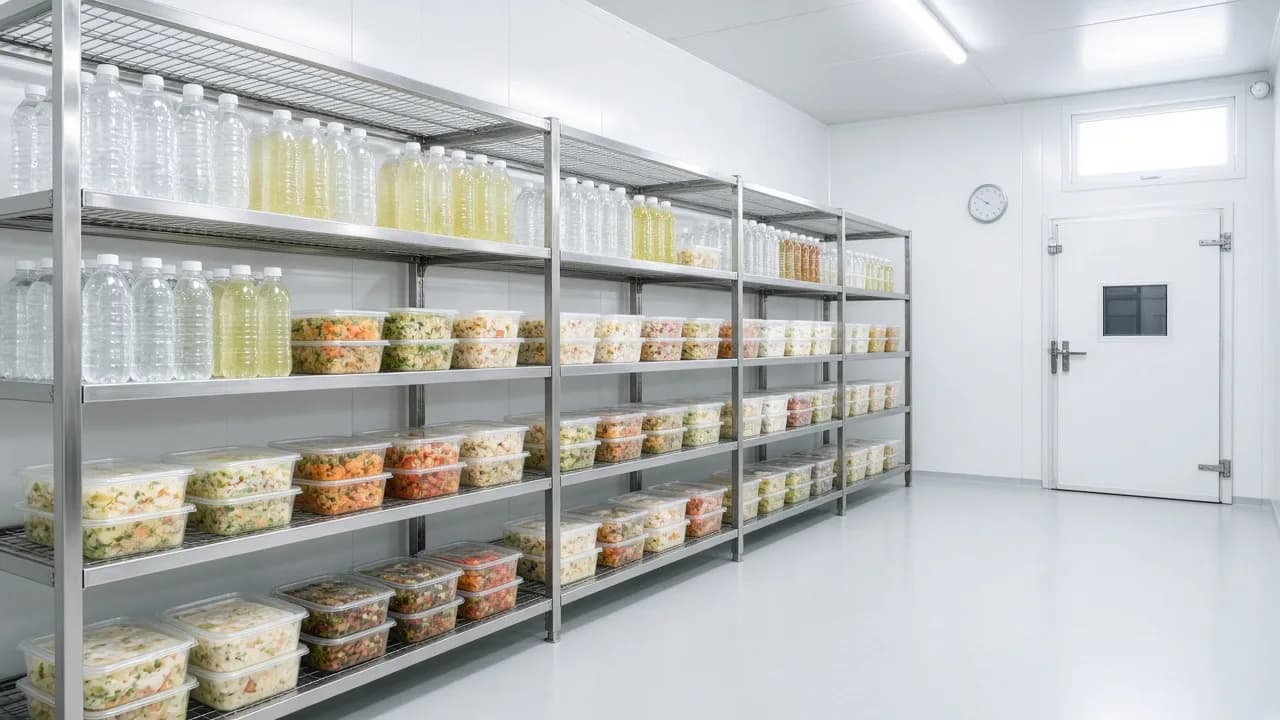
Cold storage supports temperature controlled handling of food and beverage products from receipt through storage and dispatch.
View industry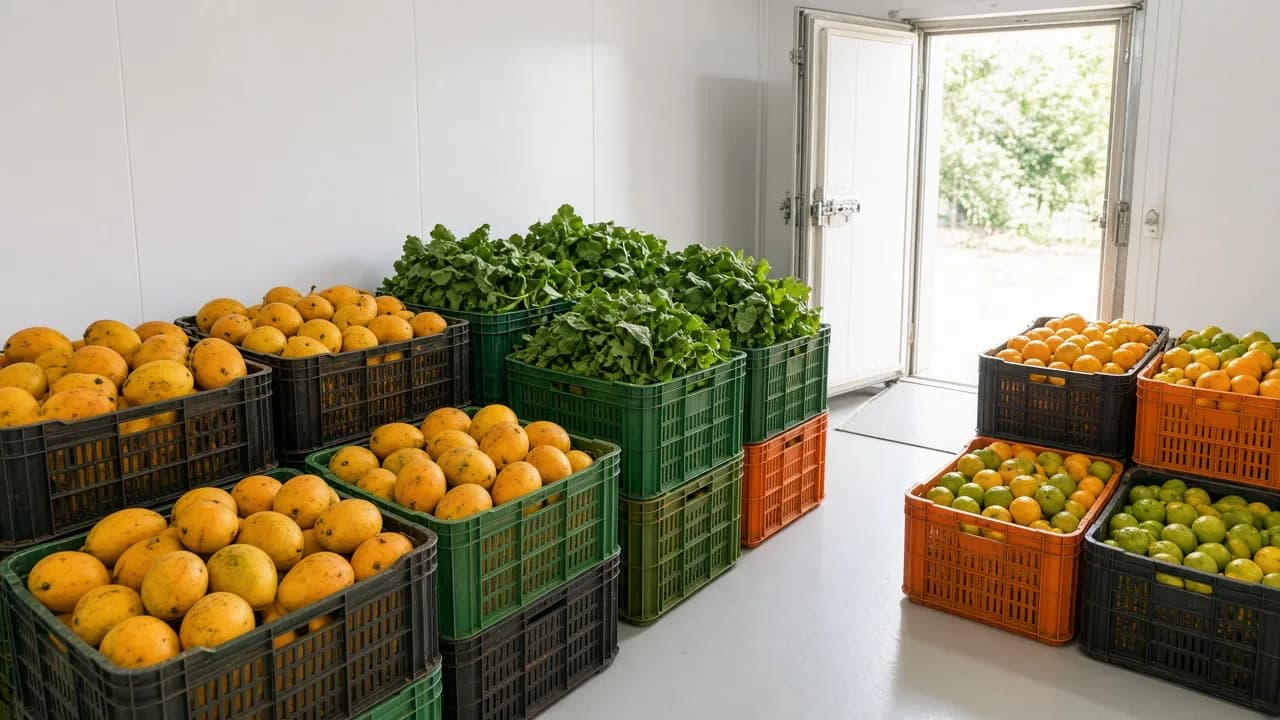
Storage conditions are planned around the product type, temperature, humidity, packaging, and expected storage period.
View industry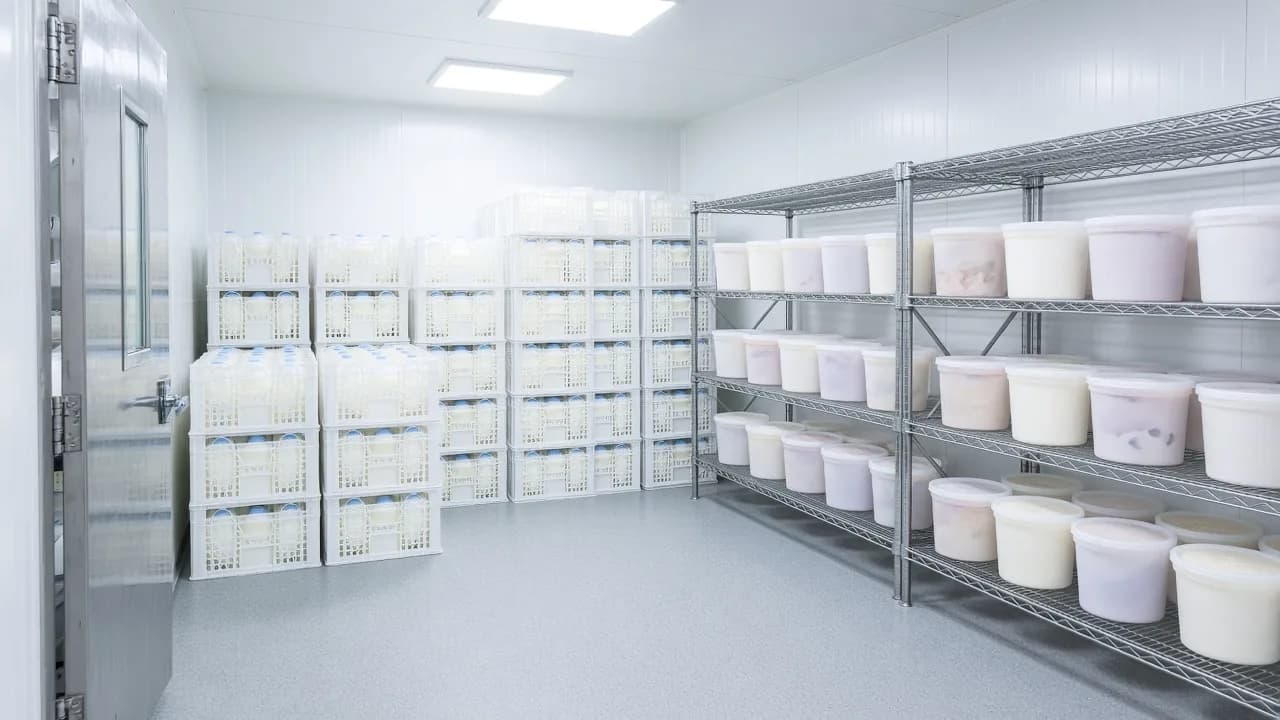
Dairy products commonly require chilled storage, while ice cream requires frozen conditions suited to the product.
View industry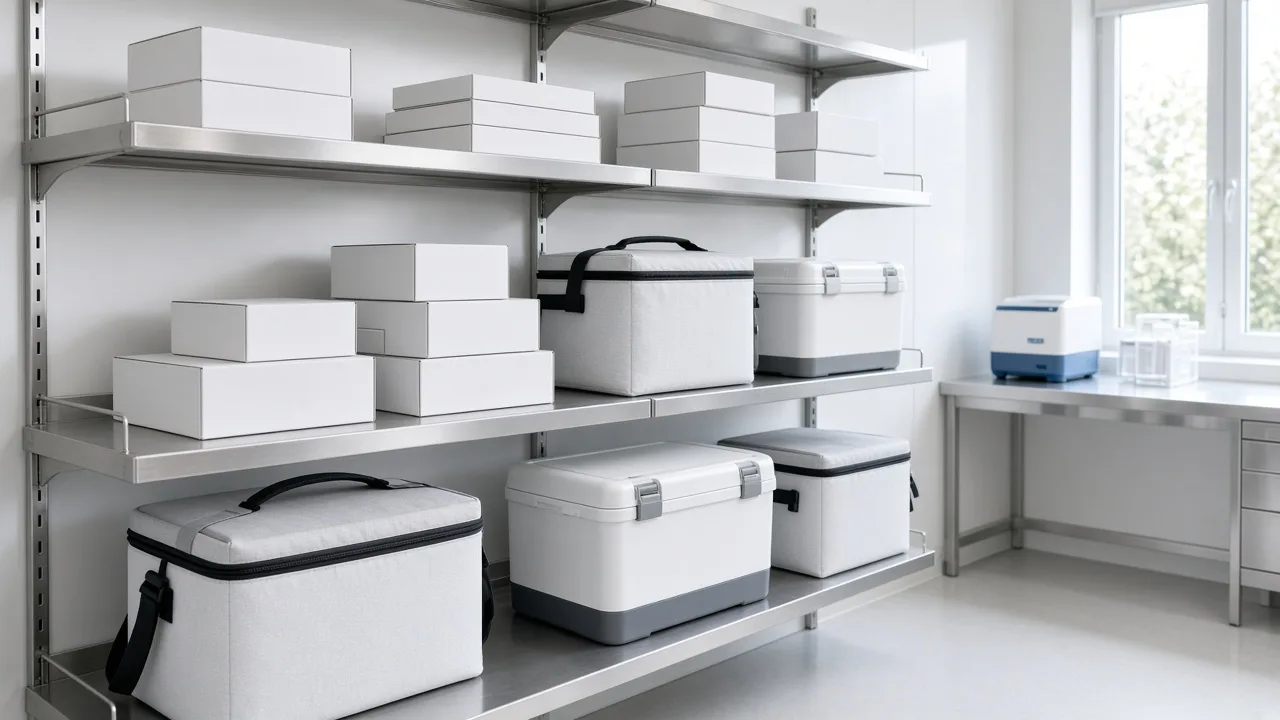
Pharmaceutical and healthcare storage can require closely controlled temperature conditions, including commonly used 2°C to 8°C environments.
View industry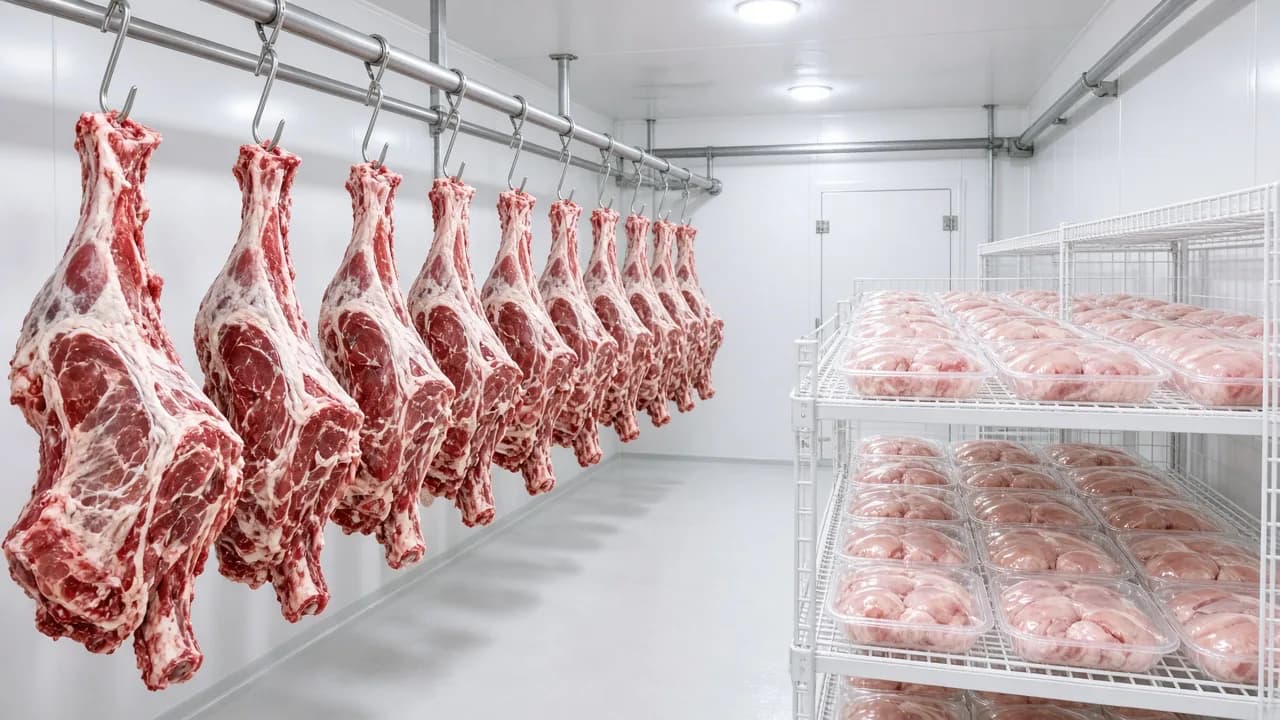
Fresh meat and poultry are commonly stored under chilled conditions, while frozen products require a separate lower temperature environment.
View industry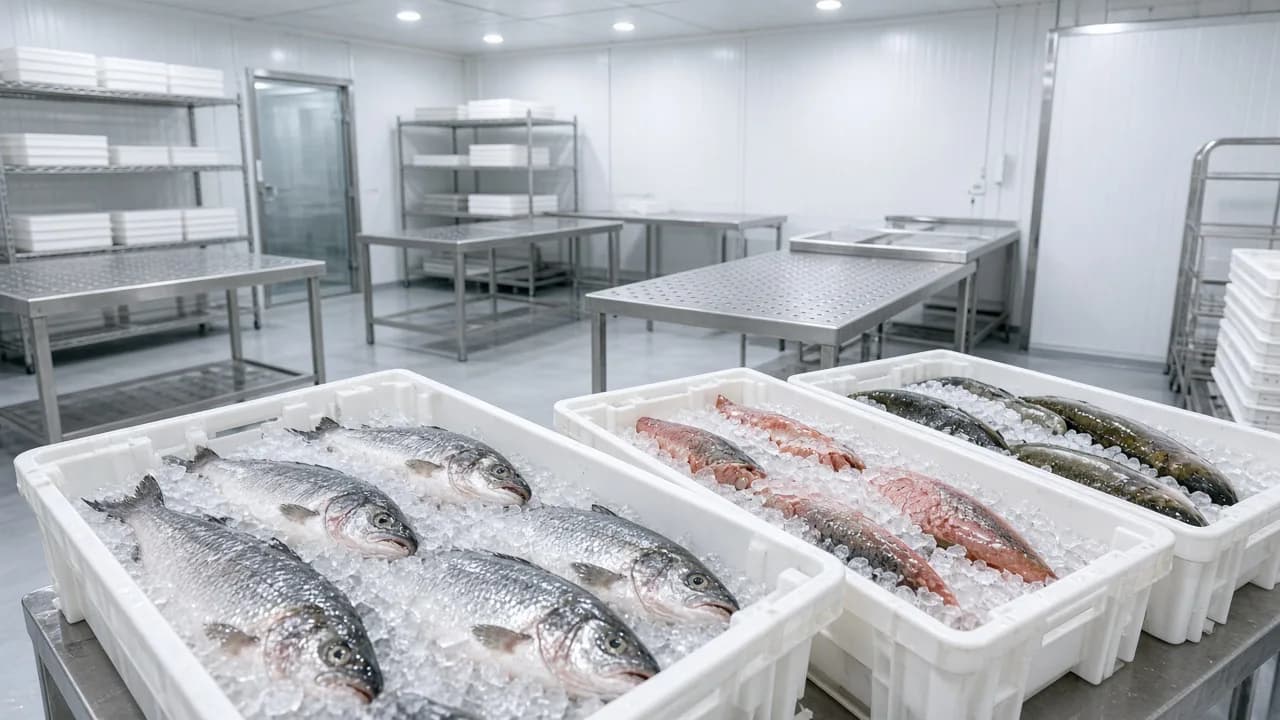
Seafood storage is planned according to whether the product is fresh, chilled, or frozen, with temperature and handling conditions considered during design.
View industry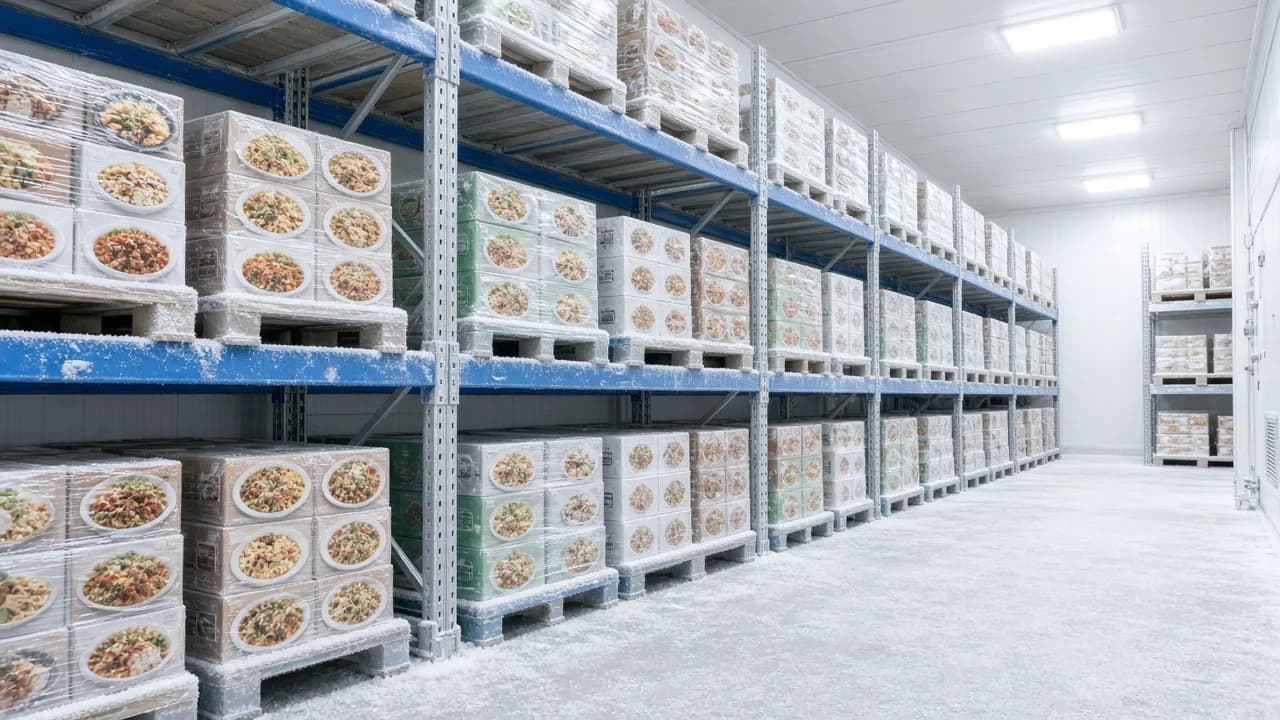
Frozen food facilities are designed around low temperature storage requirements, product loading, insulation, refrigeration capacity, and operational movement.
View industry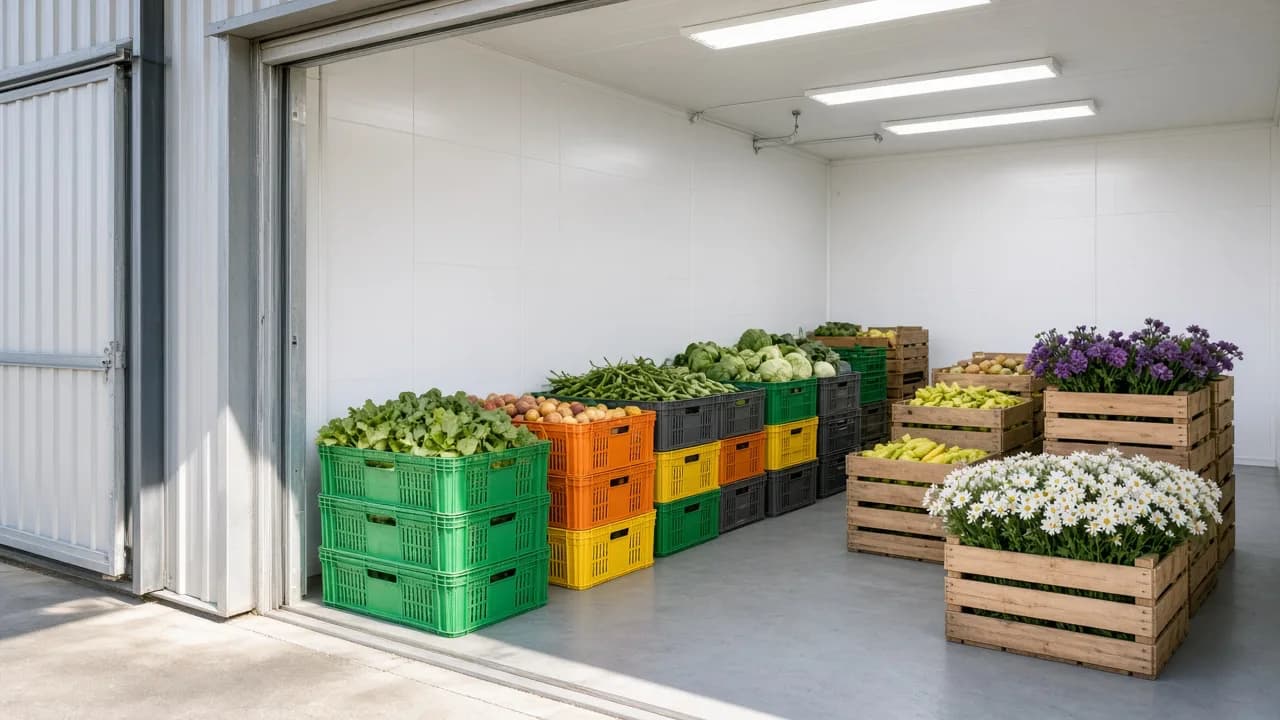
Agricultural and horticultural products require product specific temperature and humidity conditions to support appropriate storage.
View industry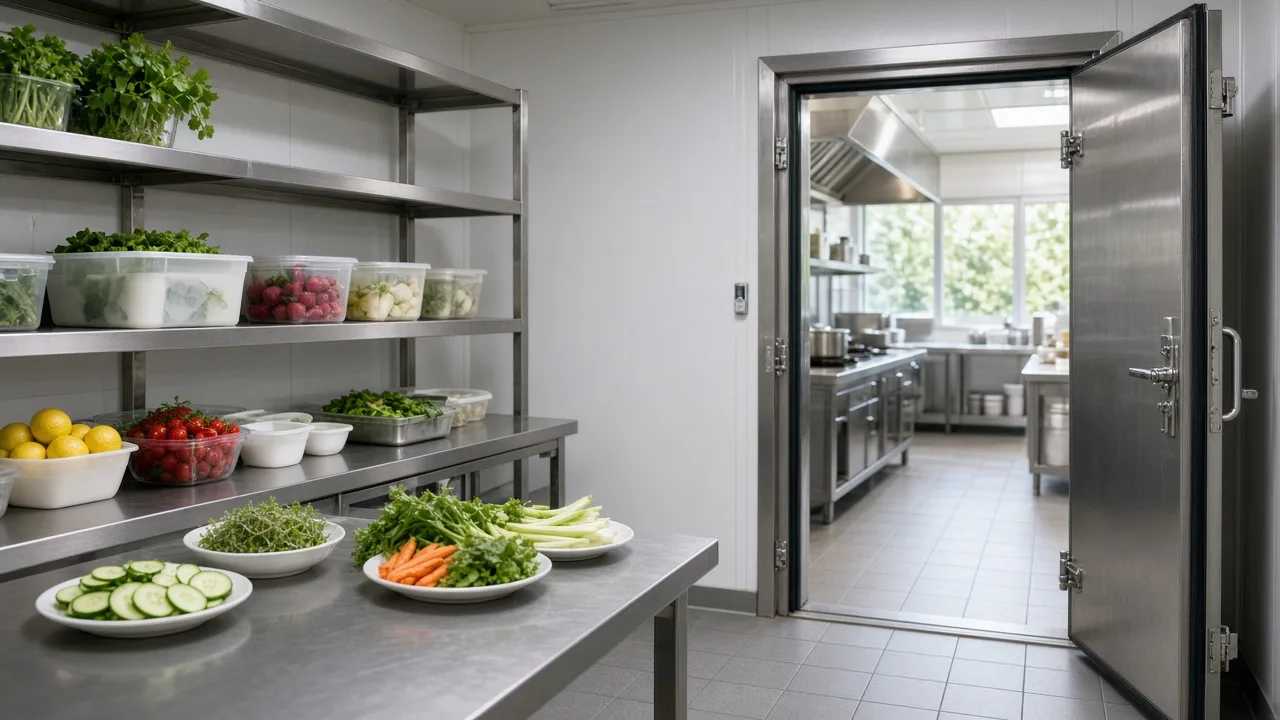
Hotels and other hospitality operations can use temperature controlled storage for food products that require defined chilled or frozen conditions.
View industry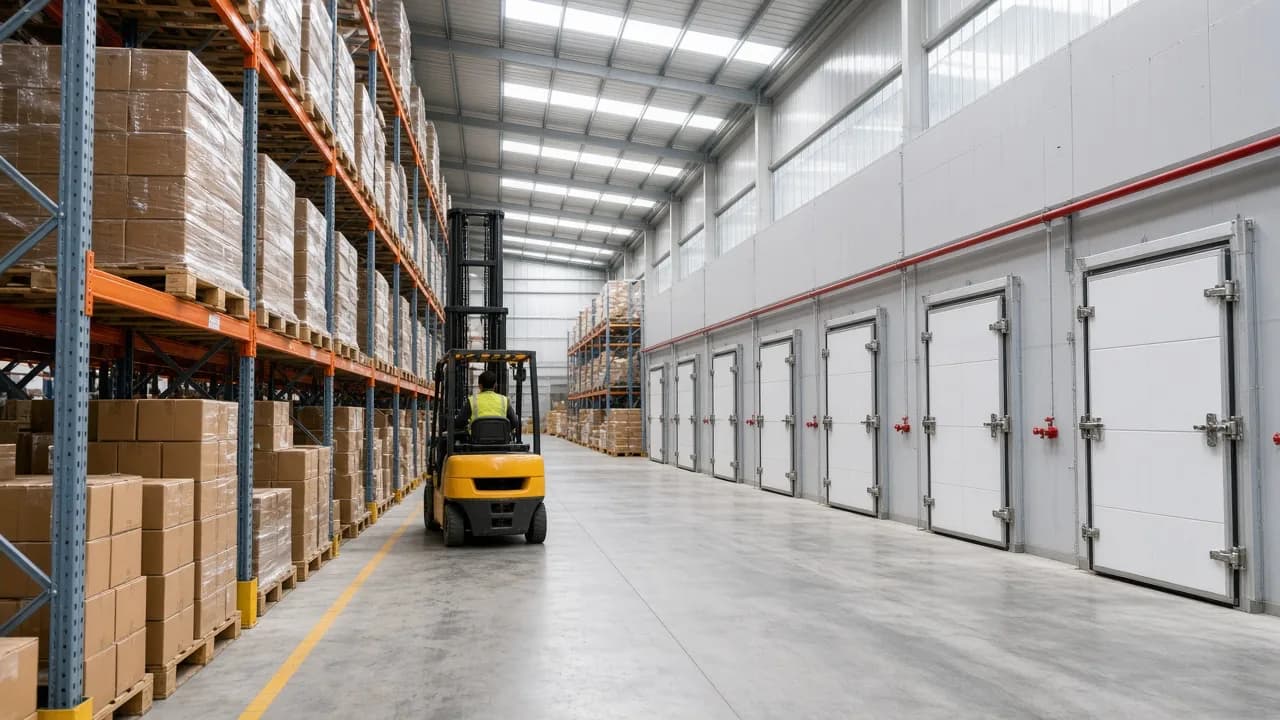
Cold chain solutions help maintain defined storage conditions while products move through receiving, storage, handling, and dispatch operations.
View industry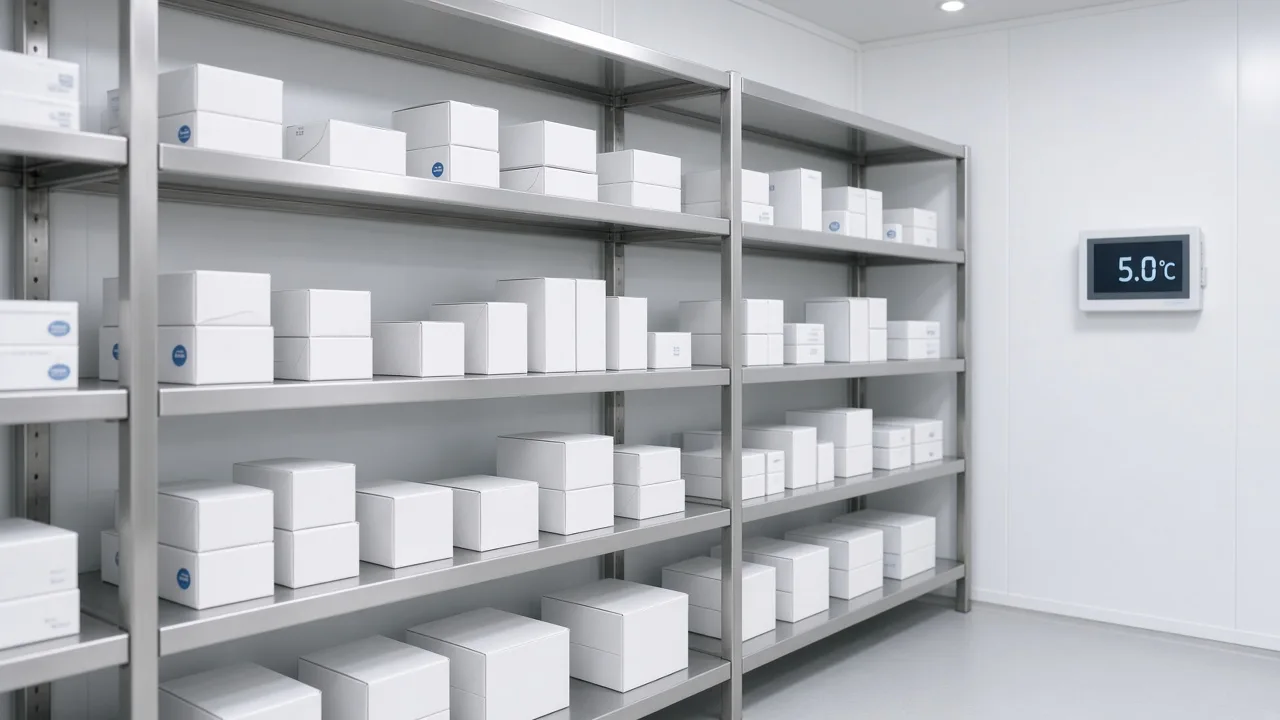
Vaccines are commonly designed around 2°C to 8°C storage conditions, subject to the requirements of the specific vaccine and applicable storage guidance.
View industry
Seed storage requirements vary by seed type and may require controlled temperature and humidity conditions suited to the product.
View industry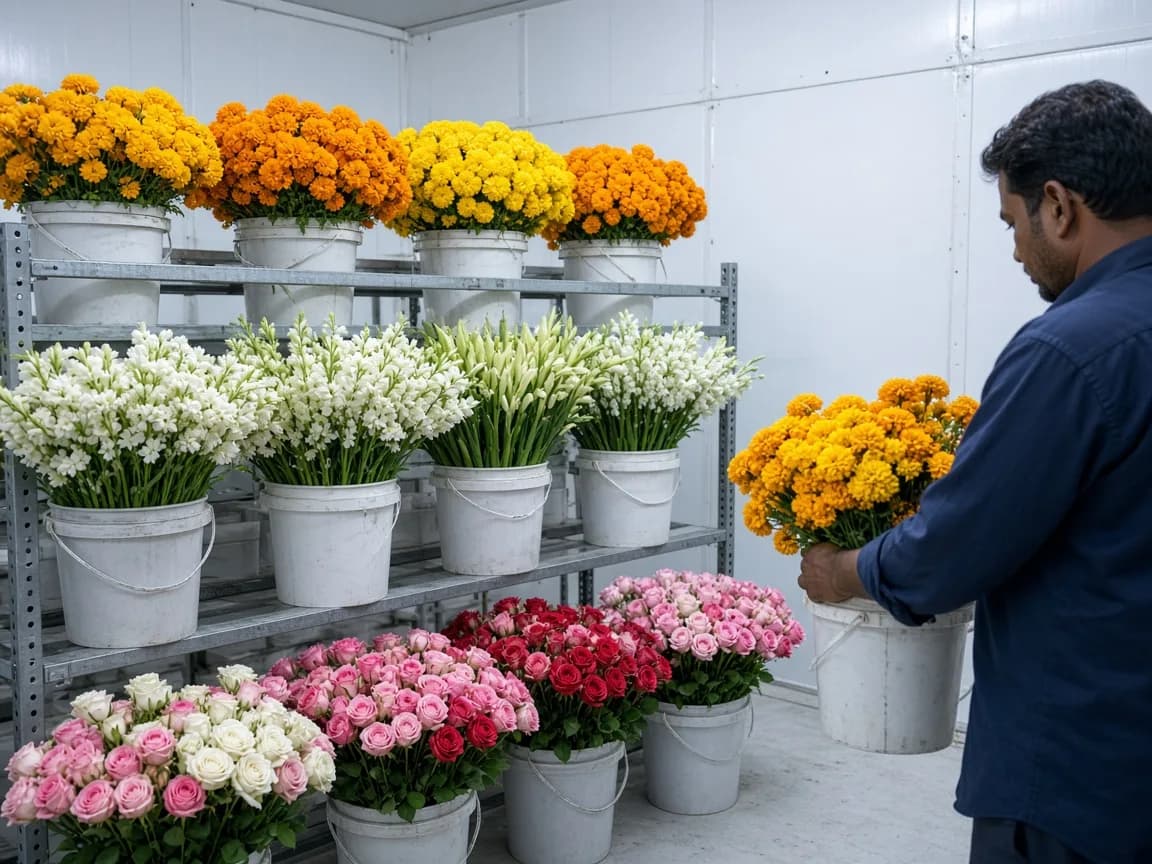
Flowers are typically stored around 1°C to 5°C, although the required conditions depend on the flower variety, handling process, and storage duration.
View industryDiscuss Your Cold Storage Requirement
Tell us what you need to store, the required temperature, approximate capacity, and project location so our engineering team can understand the application.
One system
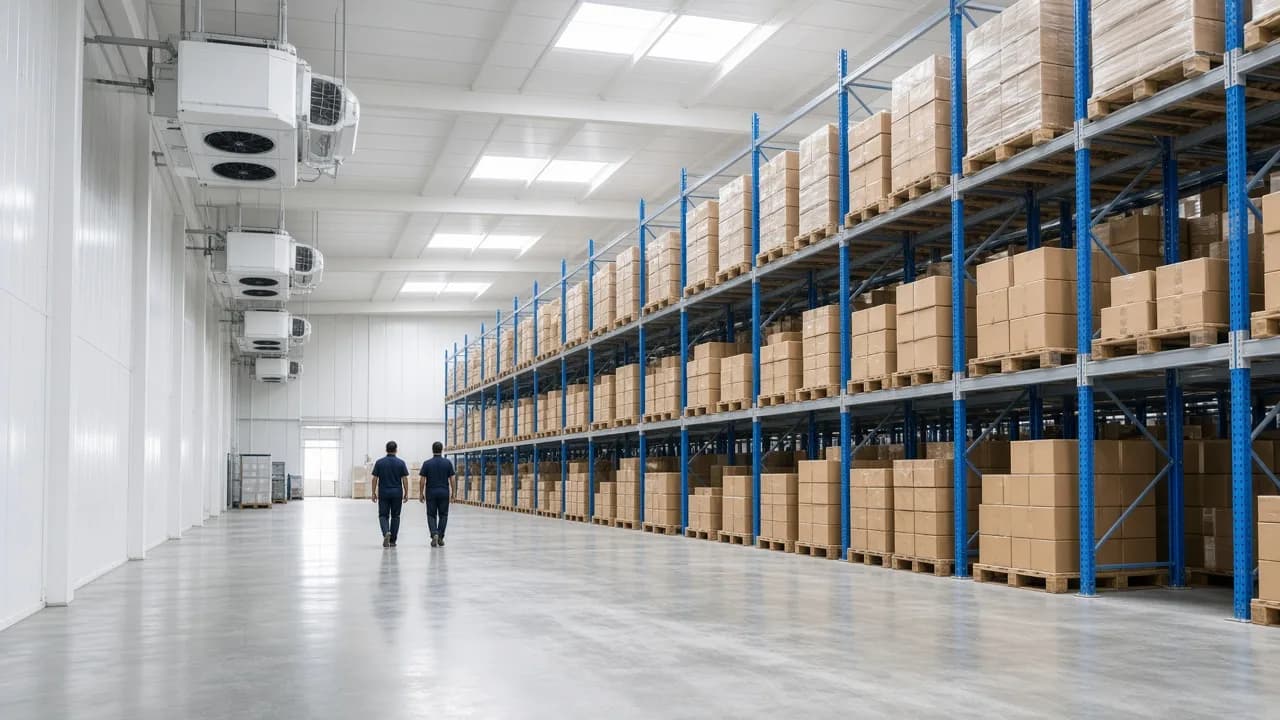
The room, the plant, and the controls are supplied together as part of the planned cold storage system. Each component is selected according to the product, temperature requirement, heat load, site conditions, and operating process.
Insulated PUF / PIR panels
Insulated panels form the thermal envelope of the cold room and are selected according to the required temperature and application.
Cold room doors
Cold room doors are selected according to room temperature, opening frequency, product movement, and operational requirements.
Evaporator units
Evaporator units are selected to provide the required cooling capacity and air distribution for the room.
Flooring and insulation
Floor construction and insulation are planned to control thermal transfer and suit the expected loading and operating conditions.
Racking and safety systems
Racking and safety provisions are planned around storage layout, pallet movement, available space, and operational access.
Refrigeration system
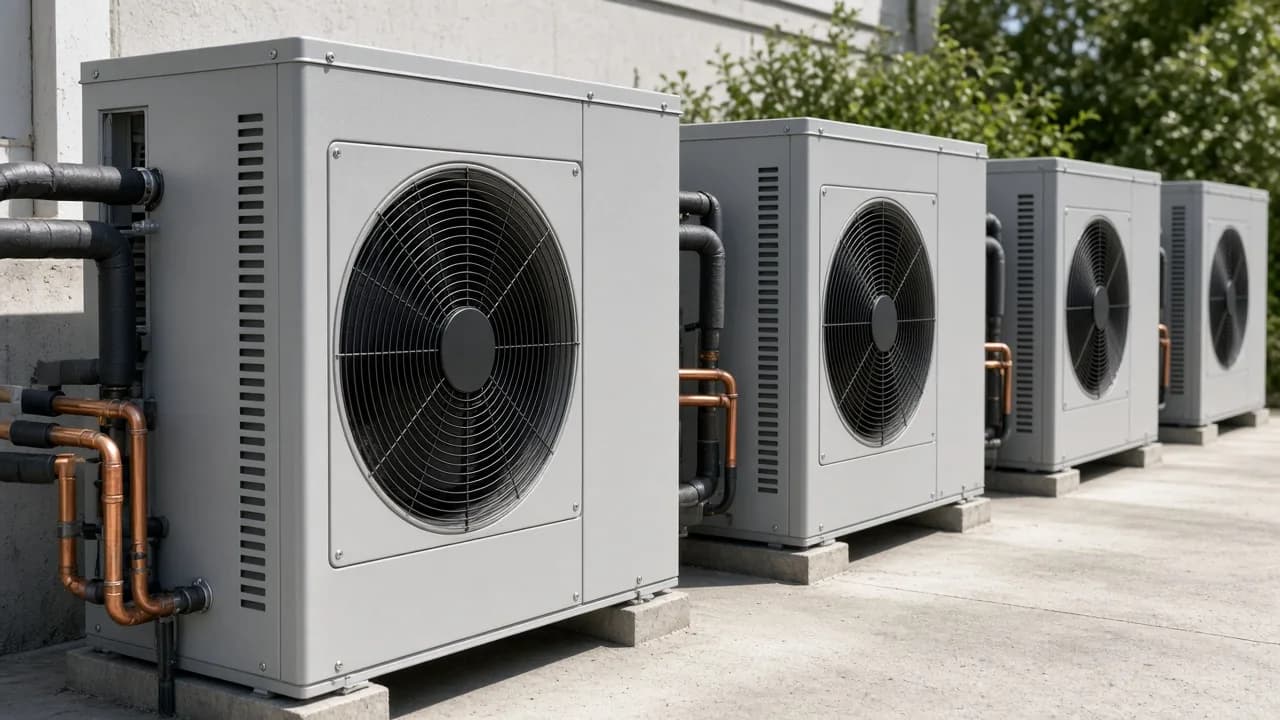
The cold storage refrigeration system is selected after assessing the required temperature, heat load, ambient conditions, and site utilities.
Condensing units
Condensing units are selected according to the refrigeration duty and the operating conditions established during engineering.
Compressors
Compressor selection considers the required refrigeration load, operating temperature, refrigerant system, and project conditions.
Temperature controllers
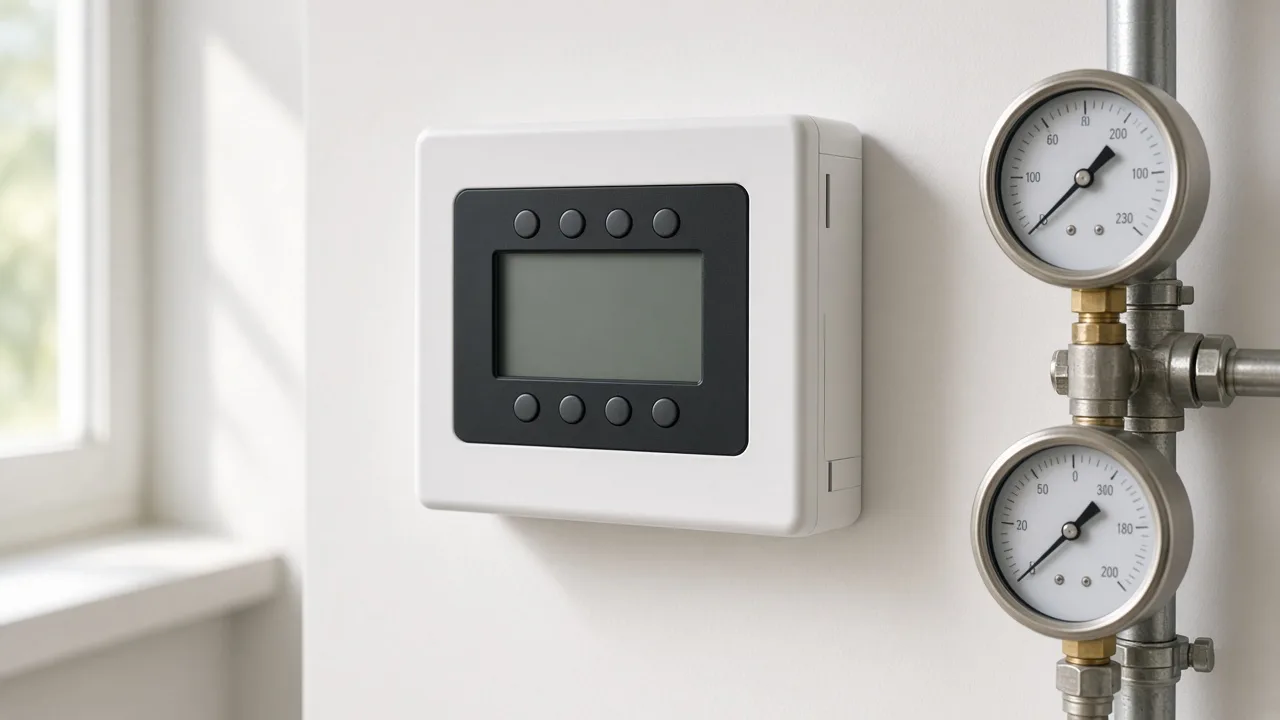
Temperature controllers maintain the specified operating range and support controlled room operation.
Electrical controls
Electrical controls manage the operation of refrigeration equipment and associated systems according to the project design.
Sensors
Sensors provide temperature and other operating inputs required for control and monitoring.
Monitoring system
Monitoring systems provide visibility into operating conditions and can support alarms, data logging, and operational checks.
Refrigeration
The refrigeration plant is chosen after the heat load, required temperature, ambient conditions, and site utilities are assessed. The configuration is developed for the actual application rather than assigning one refrigeration system to every large store.
Uniref provides industrial refrigeration solutions as part of a project specific engineering approach.
Inside the room
Evaporator selection and design consider room temperature, cooling duty, air circulation, product conditions, and the required operating environment.
Defrost requirements are established according to the evaporator configuration, operating temperature, humidity, and expected frost formation.
Humidity control is considered where the stored product requires a defined moisture environment in addition to temperature control.
Plant and controls
Compressor selection is based on the required refrigeration duty, operating temperature, refrigerant, heat load, and expected operating conditions.
Air cooled and water cooled configurations are selected according to ambient conditions, available utilities, heat rejection requirements, and the overall project design.
Freon based systems can be selected for applications where the required temperature, capacity, site conditions, and refrigeration design make this configuration appropriate.
Ammonia based systems can be considered for applications where the heat load, temperature requirements, operating conditions, and site infrastructure support their use.
Temperature control is designed around the specified operating range and the conditions required by the stored product.
Refrigeration controls coordinate equipment operation and provide the control inputs required for safe and consistent system operation.
Turnkey delivery
Uniref can manage turnkey cold storage solutions from initial requirement analysis through installation, testing, commissioning, and handover. The scope is coordinated around the product, storage conditions, site, equipment, and operational requirements.
01
The product, capacity, temperature, storage pattern, daily movement, and operational requirements are reviewed before engineering begins.
02
The site is assessed for available space, utilities, access, ambient conditions, and practical installation requirements.
03
The heat load is calculated using factors such as product load, room dimensions, ambient conditions, infiltration, equipment, and operating requirements.
04
The cold storage design defines the room configuration, insulation, refrigeration requirements, equipment arrangement, controls, and operational layout.
05
Refrigeration equipment and associated components are selected according to the calculated load, temperature requirements, site conditions, and system design.
06
The specified cold room components and refrigeration equipment are manufactured or sourced and supplied according to the approved project requirements.
07
Cold room construction, refrigeration equipment, electrical systems, controls, and associated components are installed according to the project design.
08
The completed system is tested and commissioned to verify operation and establish the required working conditions before handover.
09
Operating guidance and relevant training are provided to help the facility team understand the installed system and its operation.
10
Support continues after commissioning through maintenance, service, troubleshooting, spare parts, and other project related requirements.
This end to end scope brings cold storage design and installation together within one coordinated project.
Project inputs
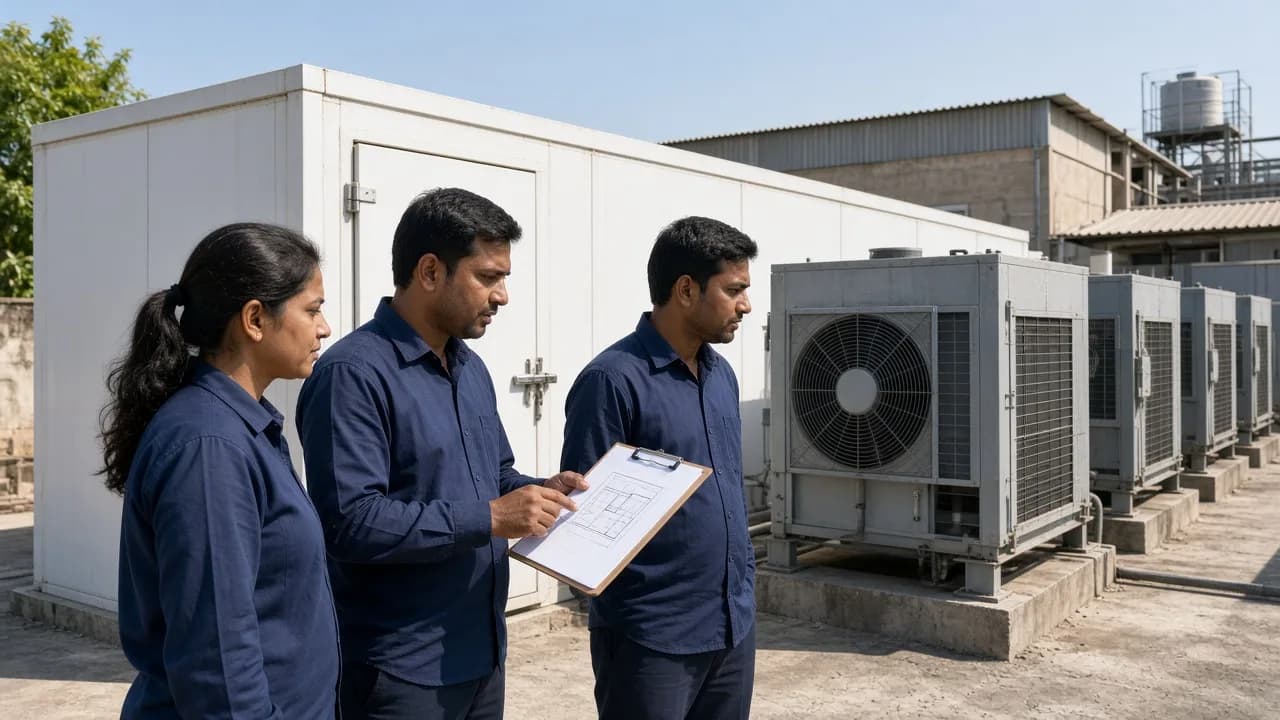
A cold room cannot be sized correctly from floor area alone. Product characteristics, daily movement, room operation, site conditions, and refrigeration requirements all influence the engineering. Uniref works as a cold storage engineering company by assessing the details that determine the actual room and refrigeration requirement.
What will be stored?
The product determines the required temperature, humidity, storage method, and refrigeration conditions.
MT, pallets or volume
The storage quantity helps establish room dimensions, stacking requirements, refrigeration load, and movement space.
Temperature when goods enter
Incoming product temperature affects the cooling duty and must be considered during heat load calculation.
Quantity entering per day
Daily product movement influences the refrigeration load because incoming goods introduce additional heat into the room.
Operating range
The required operating range establishes the basic temperature specification for the cold room and refrigeration system.
Required RH
Humidity requirements help determine the appropriate evaporator configuration, airflow, and room conditions.
Available space
Available floor area, height, access, and surrounding space influence the room layout and equipment arrangement.
Traffic frequency
Door frequency and product movement affect air infiltration and therefore form part of the refrigeration load.
Local Indian climate
Ambient temperature and seasonal conditions influence heat gain and refrigeration equipment selection.
Electrical requirements
Available electrical supply and site utilities are reviewed before final equipment selection and system design.
If applicable
Any planned backup arrangement can be considered as part of the project requirements and operating strategy.
Operating cost
Operating efficiency starts with correct engineering, equipment selection, insulation, airflow, controls, and room operation. Uniref considers these factors during design without promising a fixed savings percentage.
Insulation is selected according to the room temperature, ambient conditions, panel construction, and project requirements to limit unwanted heat transfer.
Compressors are selected according to the calculated refrigeration duty and operating conditions rather than using a standard configuration for every project.
Evaporator selection and placement are planned around cooling duty, room dimensions, airflow, product conditions, and temperature requirements.
Room construction, panel joints, doors, flooring, and other thermal boundaries are considered to reduce unnecessary heat gain.
Door selection and placement are planned around traffic, opening frequency, temperature requirements, and product movement.
Air distribution is considered during evaporator selection and room layout to support the required temperature conditions throughout the storage area.
Automated controls can coordinate refrigeration operation and temperature management according to the defined operating conditions.
Lighting is selected with consideration for the cold room environment and the operating requirements of the facility.
Defrost settings are planned according to the evaporator, temperature, humidity, and operating conditions to avoid unnecessary defrost operation.
Continuous or scheduled temperature monitoring helps operators identify changes in room conditions and respond to temperature deviations.
Monitoring
Monitoring helps operators see whether rooms are maintaining their required operating conditions and identify deviations that need attention. The monitoring configuration can be planned around the number of rooms, required parameters, alarm conditions, and operational workflow.
Example operator view
Illustration only
Chiller 1
4.1°C
Set band 2–8°C
Humidity
78% RH
Plant
Running
Sample figures shown here are illustrative. A live monitoring panel shows the rooms and operating information from that specific project.
Digital temperature monitoring provides current room temperature information for checking whether the storage environment remains within the defined operating range.
Humidity monitoring can be included where the stored product requires control or observation of relative humidity.
Alarm systems can notify operators when defined temperature or system conditions move outside the configured limits.
Data logging records temperature and other selected parameters for operational review and record keeping.
Remote monitoring can provide access to selected operating information without requiring the operator to remain beside the cold room.
Equipment status information can help operators identify whether selected refrigeration and control components are operating as expected.
High and low temperature alerts can be configured around the acceptable operating range established for each room.
Centralized control can bring selected room and refrigeration information together for easier operational observation across the facility.
IoT integration can be considered when the operation needs additional connectivity, remote data access, or integration with its existing monitoring process.
Need Better Control Over Your Refrigeration System?
Discuss your temperature monitoring, refrigeration, and control requirements with our engineering team.
Why Uniref
Uniref combines project engineering, equipment supply, installation, commissioning, and after sales support to deliver cold storage systems around defined product and operating requirements.
How it is designed
Each project is developed around the product, required temperature, capacity, storage layout, daily movement, site conditions, and operational requirements.
Insulation, compressors, evaporators, airflow, controls, doors, and refrigeration configuration are considered together to support efficient operation.
How it is delivered
The project scope can cover requirement analysis, site assessment, design, equipment selection, manufacturing and supply, installation, testing, commissioning, training, and handover.
Refrigeration components are selected according to the required duty, operating temperature, site conditions, and overall system configuration.
How it stays running
Project coordination and service support are available across India through the offices in Jaipur, Chennai, Delhi and Indore, the service locations, and the project capabilities.
Maintenance, troubleshooting, spare parts, inspections, repairs, and other after sales requirements can be addressed after commissioning.
Uniref works as a cold storage solution provider and cold storage company in India for project specific requirements, with customized cold storage solutions developed around each application.
Quality and safety
Uniref has quality documents on file covering cold rooms, heat exchangers, condensing units, and their parts, including ISO 9001:2015, certificate QMS/23M0934, GMP, certificate GMP/23M0935, and CE compliance with the Machinery Directive 2006/42/EC, certificate CE/23M0936. These documents were first registered on 7 April 2023, with recertification due on 6 April 2026, so buyers should ask Uniref for the current documents applicable to their project.

Quality management system. Certificate QMS/23M0934. Scope: design, manufacturing and trading of cold rooms, heat exchangers, condensing units and their parts.

Good manufacturing practices. Certificate GMP/23M0935. Same product scope as the quality system certificate.
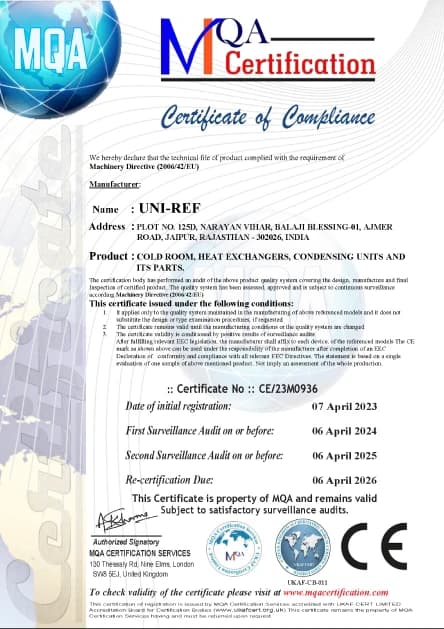
Certificate of compliance CE/23M0936 with the Machinery Directive 2006/42/EC for cold rooms, heat exchangers, condensing units and their parts.
Materials and room construction are selected according to the stored product, operating environment, hygiene requirements, and intended application.
Insulation and room construction are designed to maintain the required temperature conditions while limiting unwanted heat transfer.
Electrical controls and associated systems are selected and installed according to the project requirements and operating conditions.
Components are selected according to the required refrigeration duty, temperature, operating conditions, and system configuration.
Cold room construction is planned to support practical cleaning, product handling, and the hygiene requirements of the application.
Safety controls and monitoring provisions are included according to the refrigeration system, equipment configuration, and project requirements.
Uniref supports projects as a cold storage manufacturer in India with engineering, supply, installation, and commissioning capabilities.
After sales
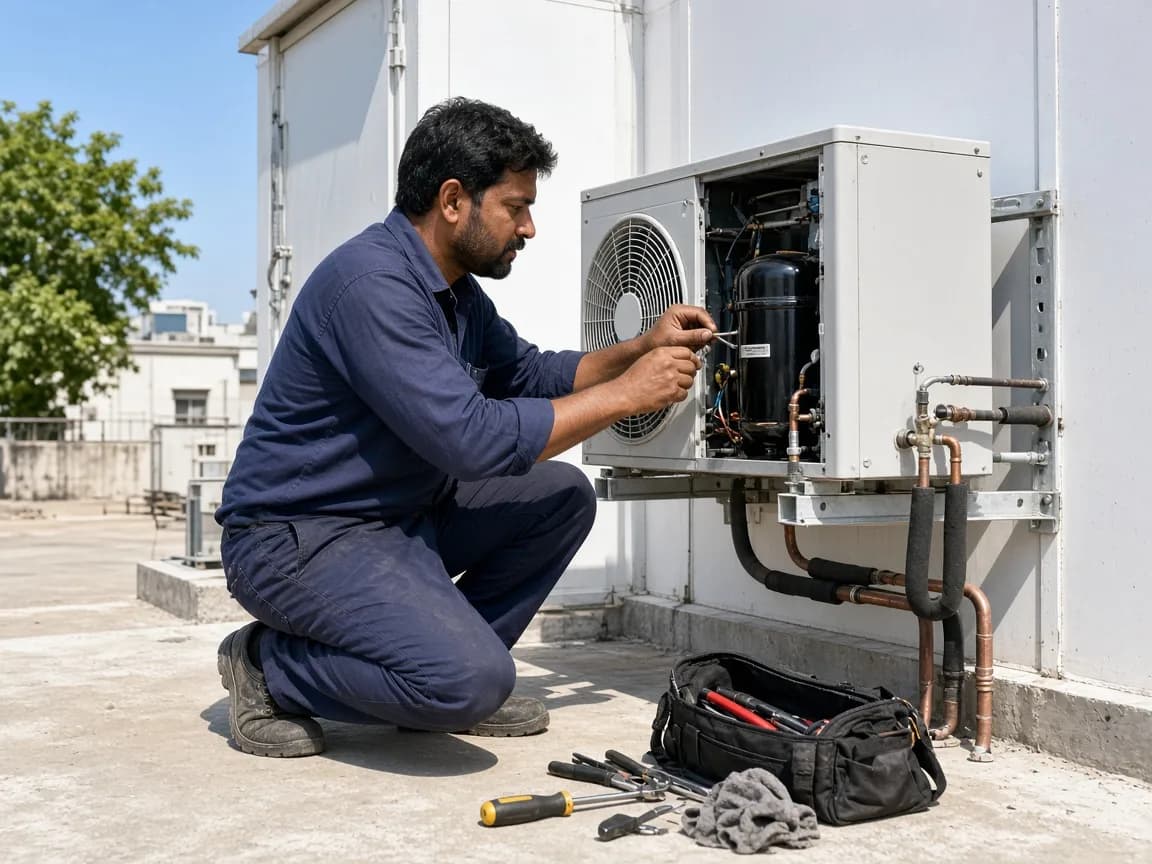
A cold storage project requires attention after commissioning to maintain equipment condition and operating performance. Uniref can support refrigeration and cold room requirements through maintenance, service, inspection, repairs, spare parts, and system upgrades.
Scheduled inspection and maintenance help identify equipment or operating issues before they develop into larger service requirements.
Annual maintenance arrangements can provide planned service coverage based on the equipment, facility requirements, and agreed scope.
Breakdown support addresses refrigeration, electrical, controls, and other equipment issues that affect cold room operation.
Required replacement parts can be addressed according to the installed equipment and system configuration.
System inspections help review refrigeration equipment, room conditions, controls, and other components affecting operation.
Operating conditions and equipment performance can be reviewed to identify areas where adjustments or improvements may be appropriate.
Refrigeration repair support can address issues involving compressors, condensing units, evaporators, controls, and associated components.
Existing cold storage systems can be assessed for selected upgrades or retrofits when operational requirements change.
Uniref also provides support as a cold storage installation company after project completion.
FAQ
The right cold storage solution depends on the product, temperature requirement, incoming product temperature, daily movement, storage capacity, packaging, stacking, aisles, humidity requirement, and site conditions. Chilled, frozen, multi temperature, controlled atmosphere, and other configurations serve different applications. For cold storage solutions in India, local ambient conditions and available utilities also need to be considered. Uniref reviews these factors before recommending the room configuration and refrigeration system for a project.
Project enquiry
Tell us what you plan to store, the required temperature, approximate capacity, and project location. Our engineering team can use these details to understand the application and discuss the appropriate cold storage configuration.