
Selection result
Compressor selection
The compressor is selected according to the calculated refrigeration duty and the required operating conditions.
Refrigeration Equipment for Cold Storage
Uniref is a refrigeration equipment manufacturer in India supplying equipment for cold rooms, freezer rooms, chiller rooms, blast freezer, blast chiller, modular cold room and large cold storage applications. Each system is selected around the room duty and installed as one coordinated refrigeration system for the required operating conditions.
Engineering coordination from Jaipur+91 7222 001 000
Core Refrigeration Equipment
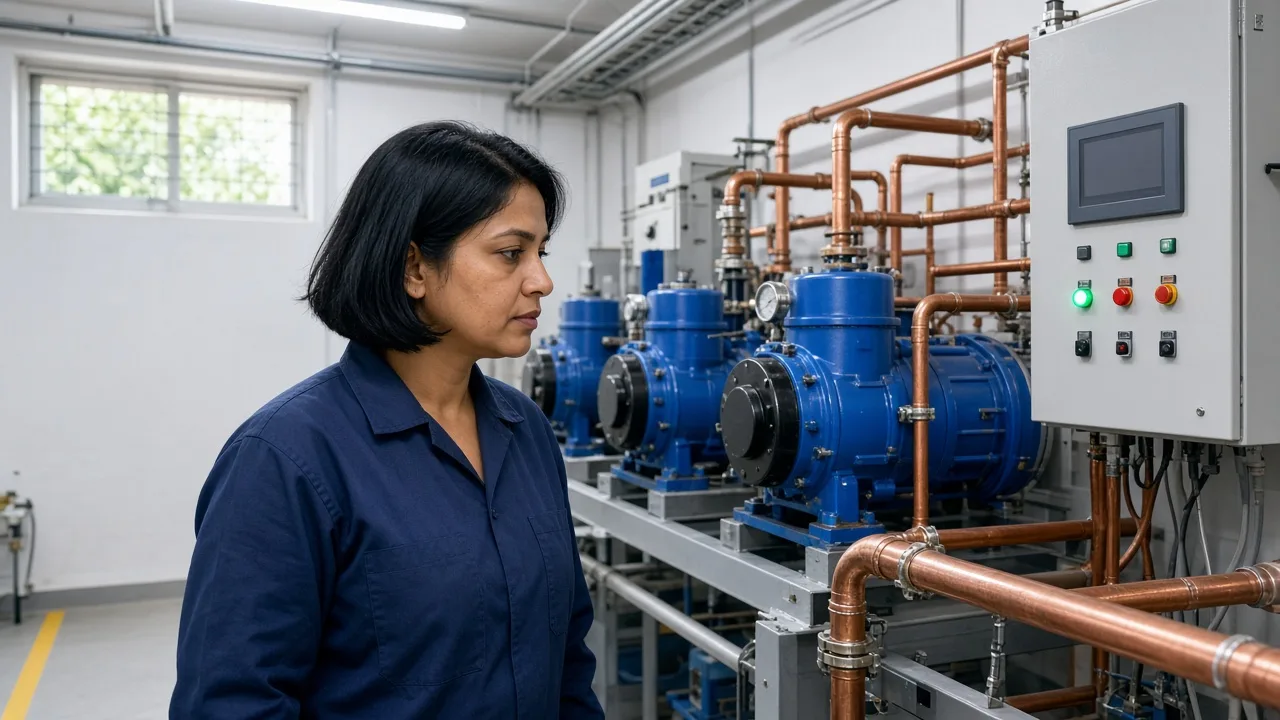
A cold storage refrigeration system depends on several components working together to remove heat and maintain the required room condition. Uniref coordinates the compressor, condensing unit, evaporator, controls and supporting components according to the room application.
Compressor
The compressor circulates refrigerant through the system and provides the pressure difference required for the cooling cycle.
Where it is used. It is used as the main compression component in refrigeration systems serving cold rooms, freezer rooms, chillers and cold storage.
View compressorsEquipment Selection
Equipment selection starts with the actual cooling duty rather than room dimensions alone. Room size alone is not a compressor size because product load, incoming product temperature, door openings, ambient conditions and operating hours also affect the refrigeration requirement.
Selected input
The product type and its heat characteristics affect the required cooling duty and the equipment selected for the room.
Selection result
The compressor is selected according to the calculated refrigeration duty and the required operating conditions.
Selection result
The condenser is selected to reject the system heat under the expected site ambient conditions.
Affected by this input
The evaporator is selected according to room temperature, cooling duty, air circulation requirements and room application.
Affected by this input
The controller configuration is established according to the required temperature, sensors and operating sequence.
Refrigeration Cycle
The refrigeration cycle moves heat from the controlled room to the outside environment through four connected stages. Each stage depends on the correct selection and operation of the refrigeration compressor, condensing unit, expansion components and evaporator.
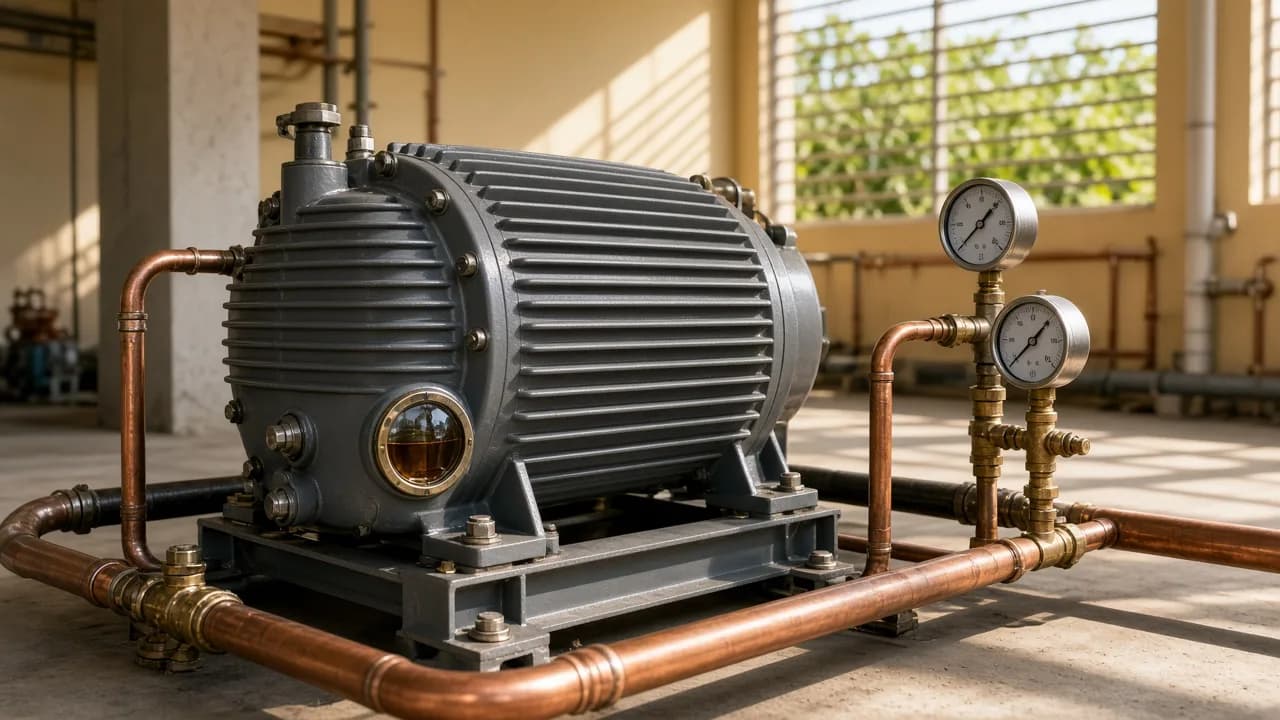
01
The refrigeration compressor receives low pressure refrigerant vapour and raises its pressure and temperature.
The compressor performs this stage before the refrigerant moves towards the condenser.
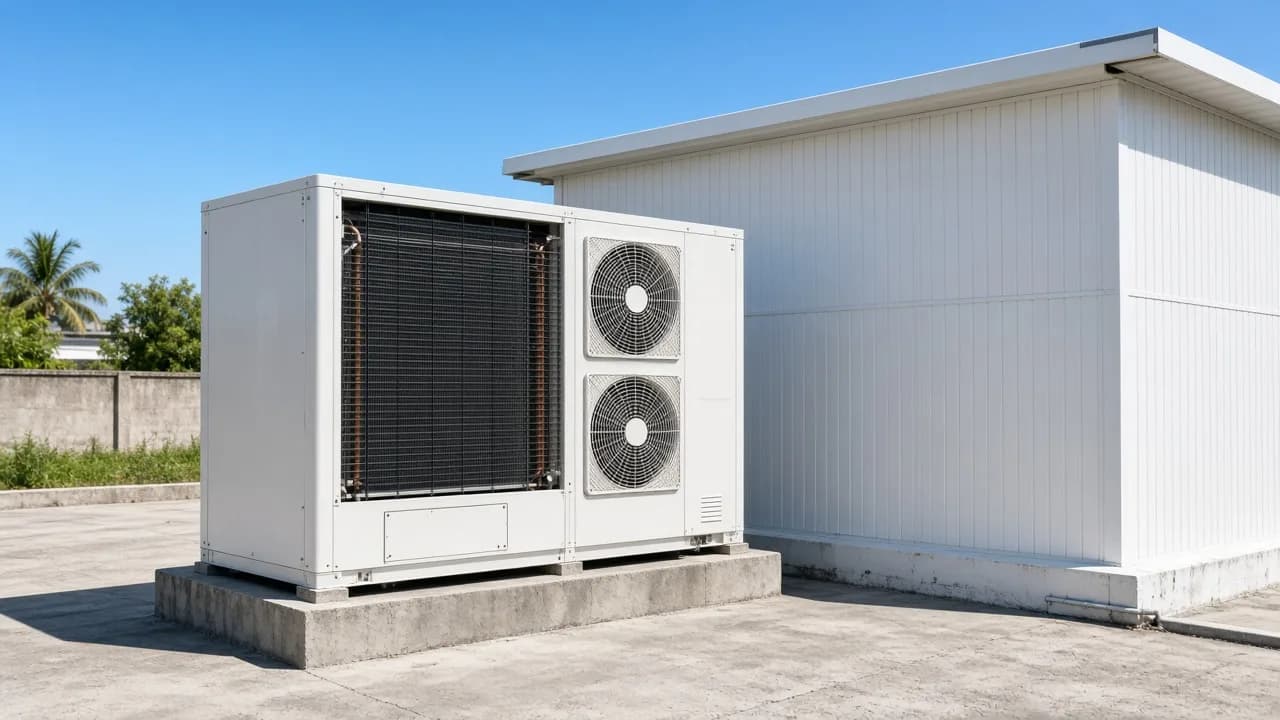
02
The high pressure refrigerant releases heat and changes from vapour into liquid.
The condensing unit performs the heat rejection stage outside the refrigerated room.
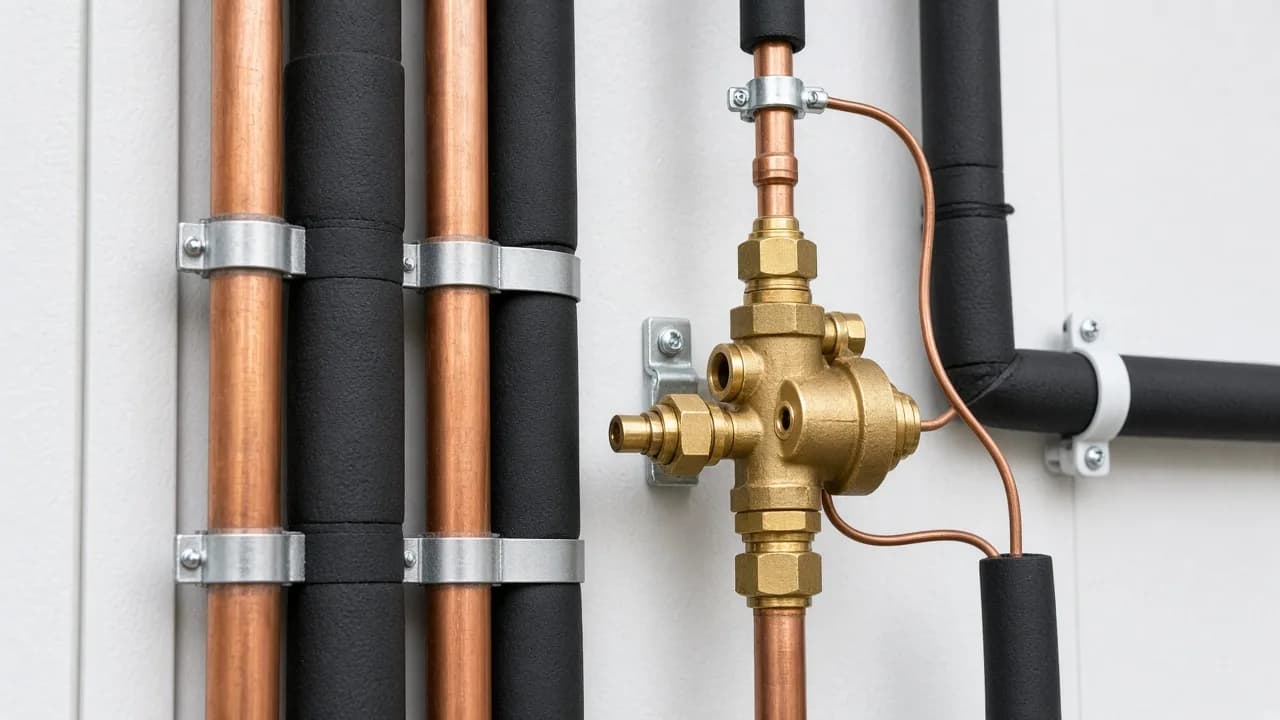
03
The liquid refrigerant passes through an expansion device where its pressure is reduced before entering the evaporator.
Valves and related expansion components control refrigerant flow into the low pressure side of the system.
04
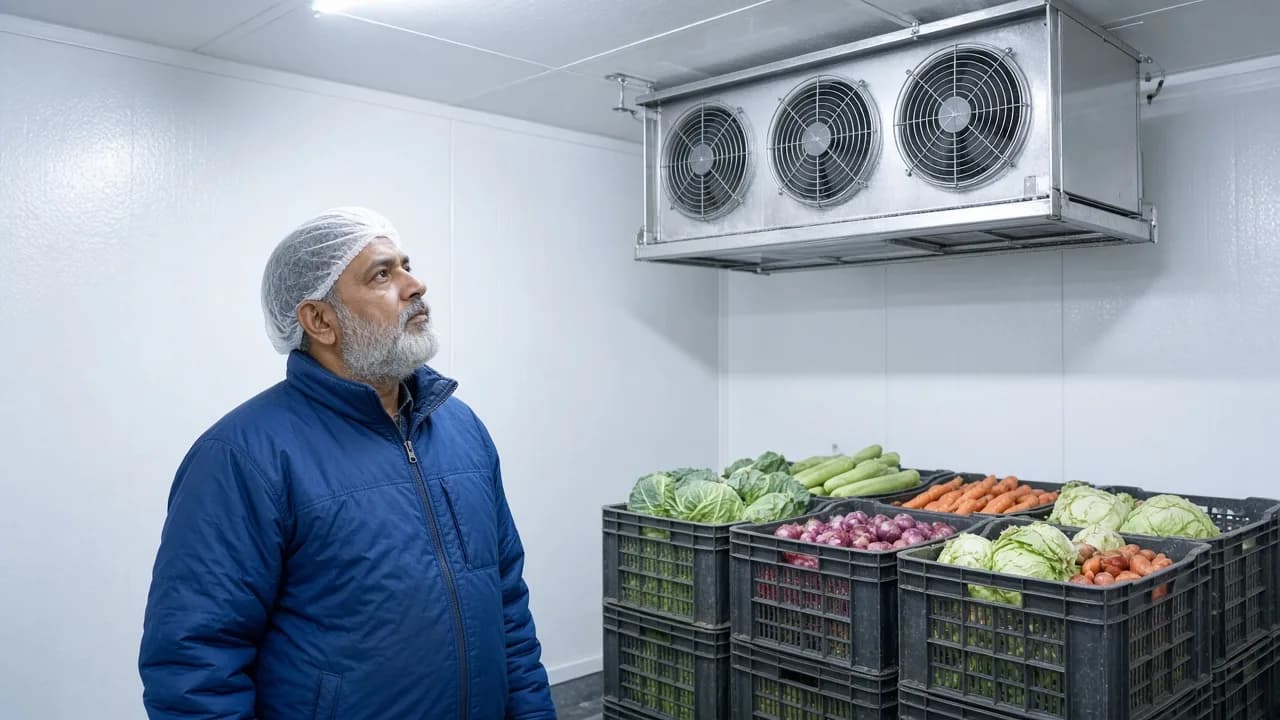
The refrigerant absorbs heat from the room air as it evaporates inside the evaporator.
The evaporator removes heat from the refrigerated space before the refrigerant returns to the compressor.
Cold Room Applications
Different rooms require different refrigeration duties based on the product, target temperature, loading pattern and room size. Uniref supplies cold room refrigeration equipment configured for applications ranging from chilled storage to freezing and large cold storage.
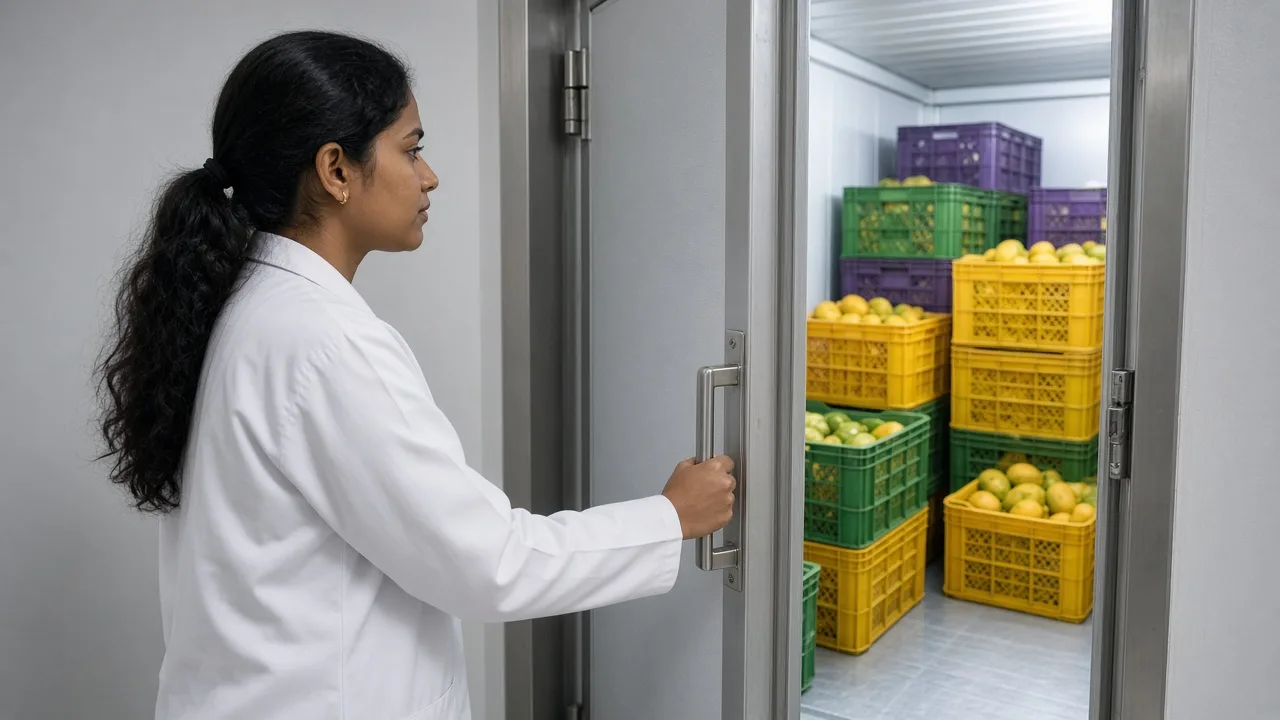
2°C to 8°C
The configuration is selected according to room dimensions, stored product, loading pattern and required operating temperature.
Equipment. The equipment that changes includes the compressor, evaporator, condensing unit and controller according to the calculated duty.
Explore cold room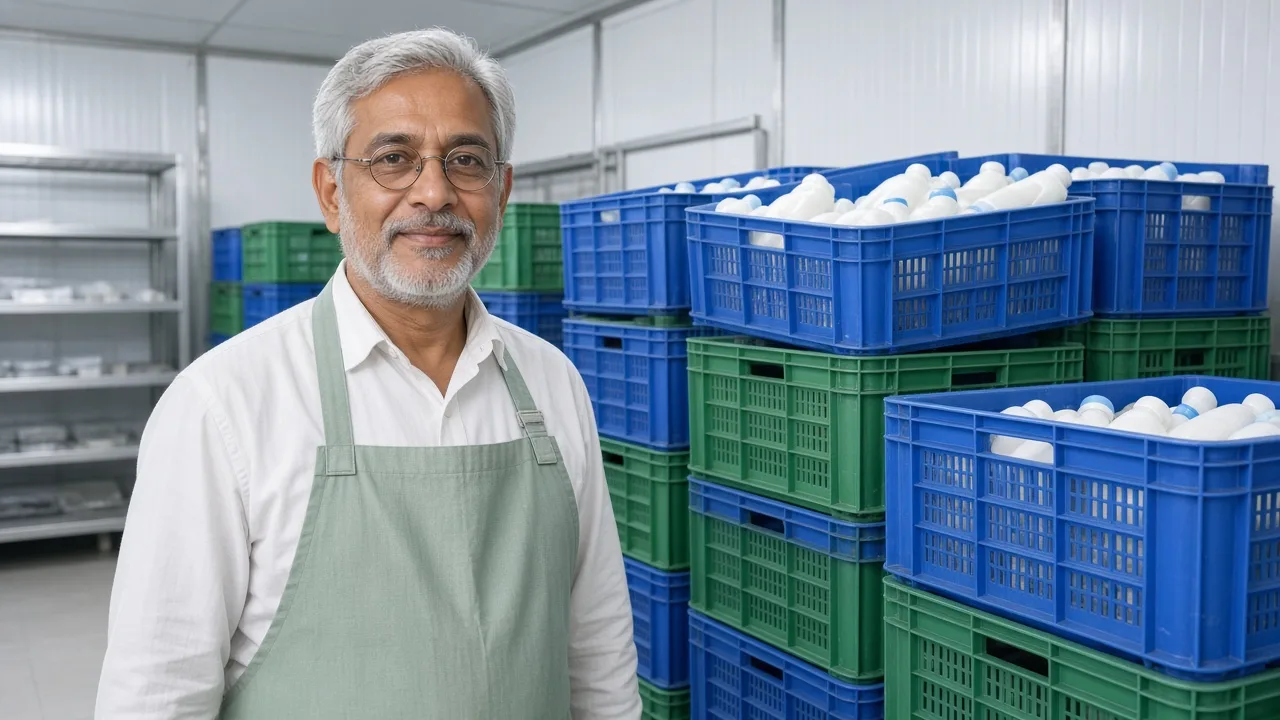
0°C to 5°C
The configuration is selected to maintain chilled conditions according to the product requirement and room load.
Equipment. The equipment that changes includes the evaporator, compressor and controls according to the required cooling duty.
Explore cold room
minus 18°C to minus 25°C
The configuration is selected for lower room temperatures and the expected product loading conditions.
Equipment. The equipment that changes includes the compressor, evaporator, condensing unit and refrigerant circuit according to the required duty.
Explore cold room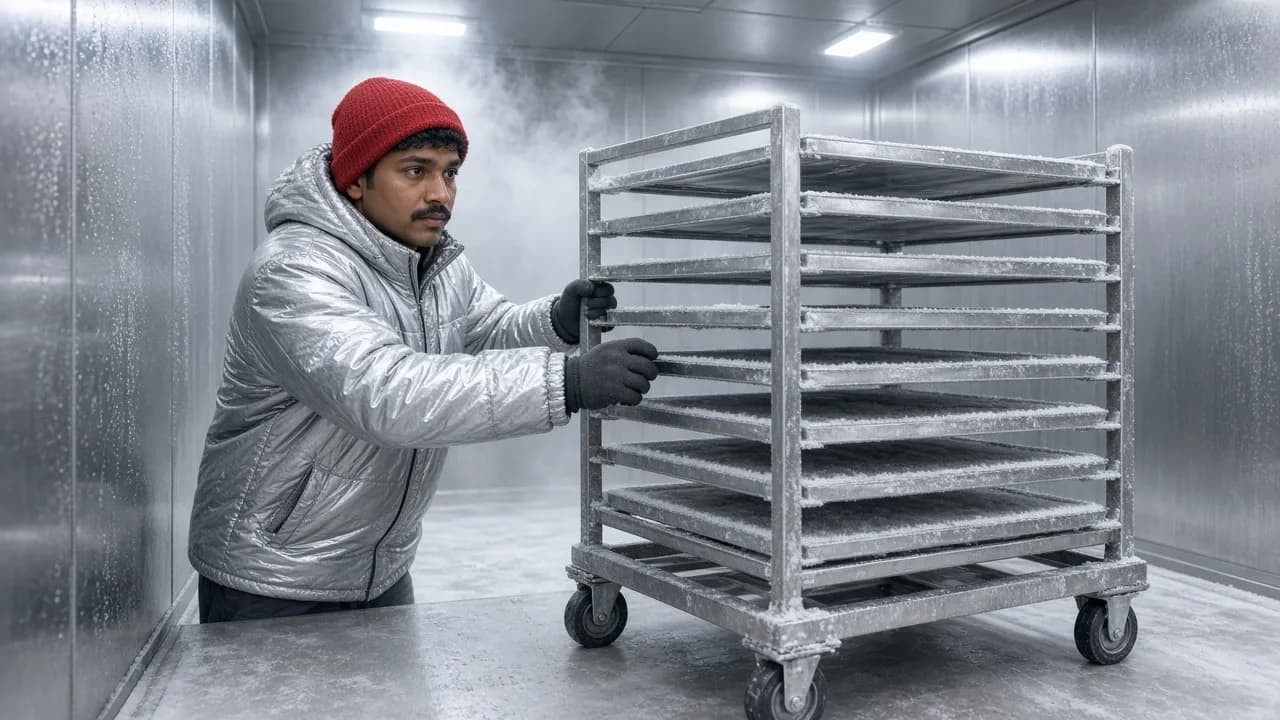
minus 25°C to minus 40°C
The configuration is designed for rapid product freezing and depends strongly on incoming product temperature and daily loading.
Equipment. The equipment that changes includes the compressor, evaporator and controls according to the required freezing duty.
Explore cold room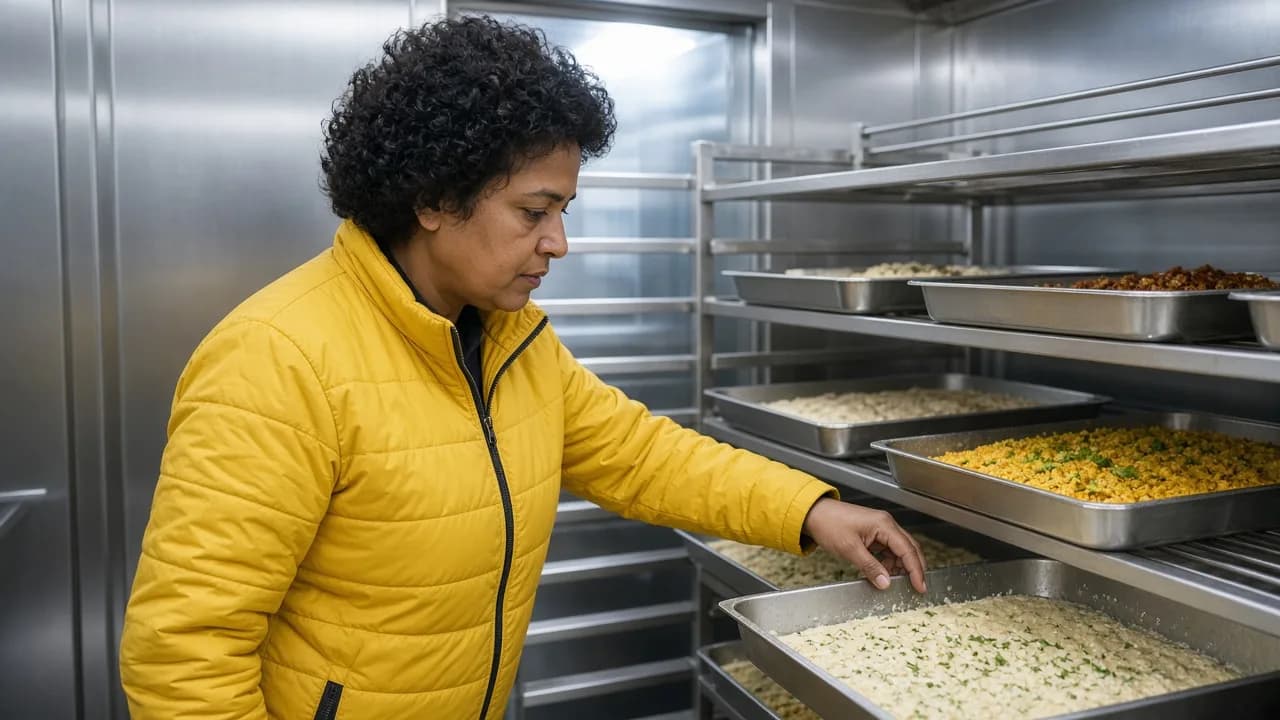
0°C to 5°C
The configuration is selected for rapid reduction of product temperature while considering product type, incoming temperature and loading pattern.
Equipment. The equipment that changes includes the evaporator, compressor and controller according to the cooling requirement.
Explore cold room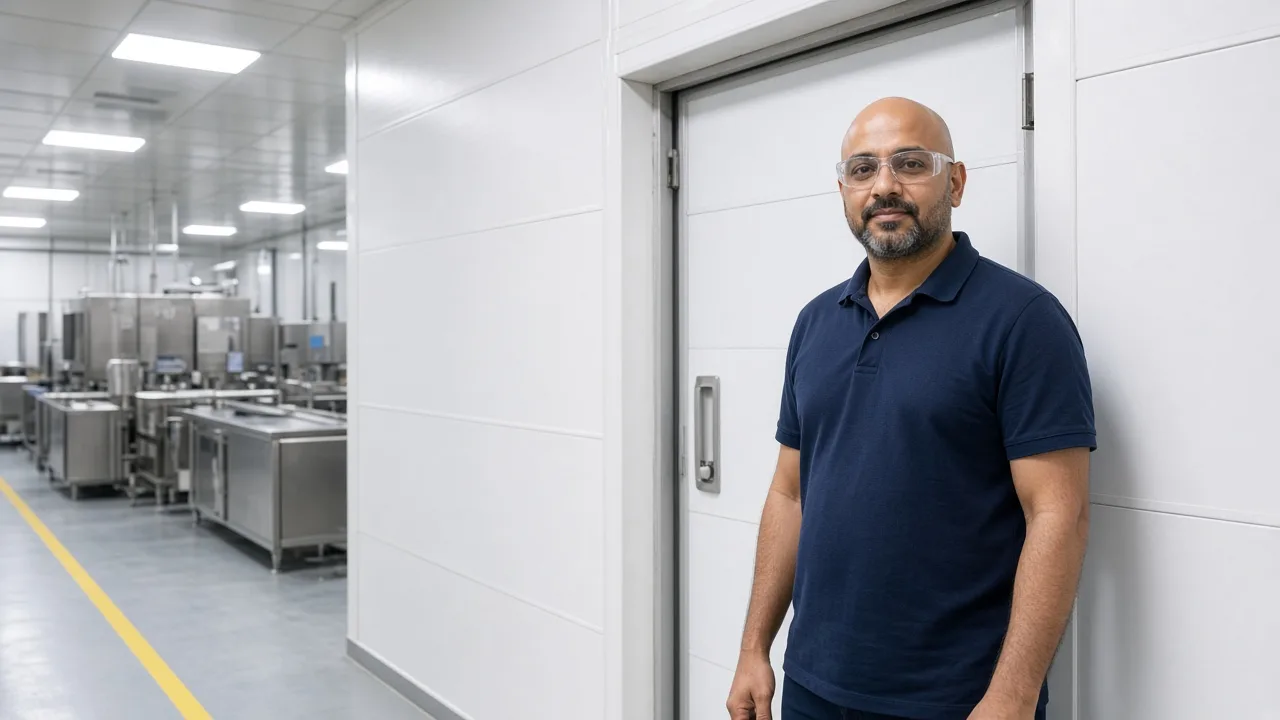
2°C to 8°C
The configuration is matched to the modular room size, insulation arrangement, product requirement and expected usage.
Equipment. The equipment that changes includes the refrigeration system capacity, evaporator, condensing unit and controller.
Explore cold room
2°C to 8°C
The configuration is developed around storage capacity, product loading, room dimensions and operating hours.
Equipment. The equipment that changes includes compressor capacity, condenser selection, evaporator arrangement and control configuration.
Explore cold roomTemperature bands are general application ranges and can vary according to the product, process and storage requirement. They are not guaranteed Uniref specifications.
Indian Operating Conditions
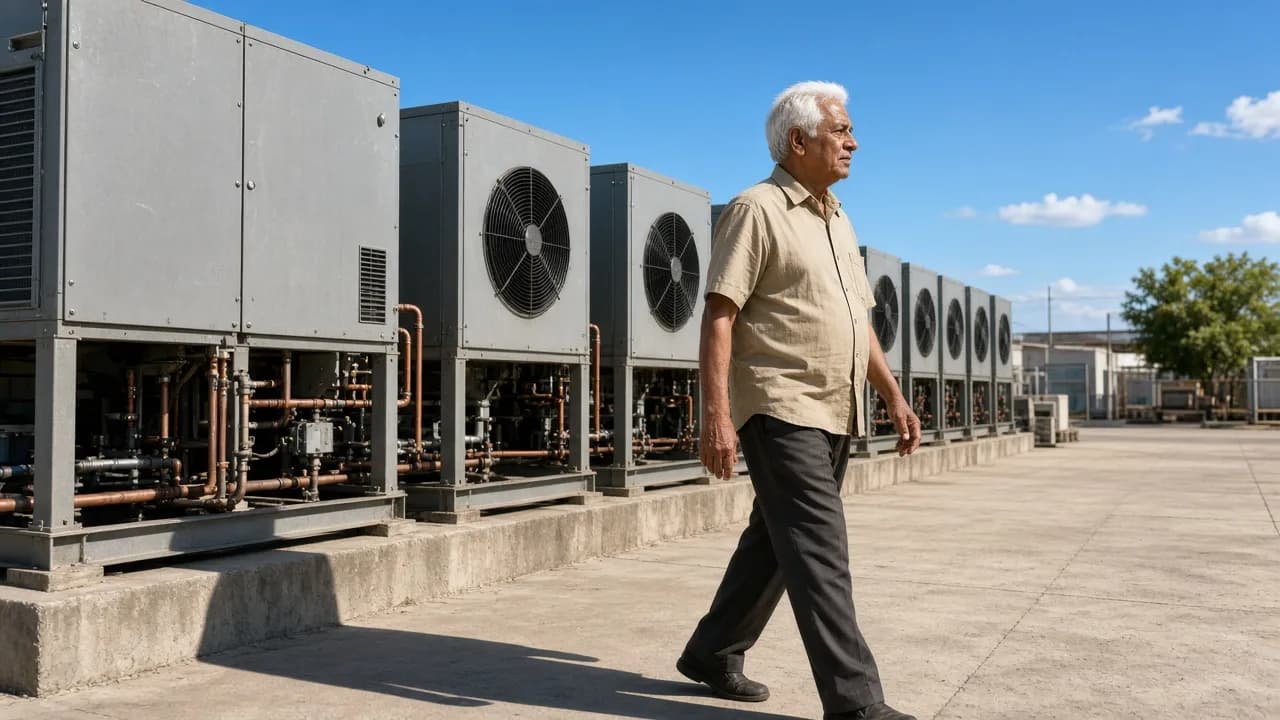
Indian site conditions are an important design input when selecting refrigeration equipment for a cold room or cold storage application. These factors affect equipment selection and system configuration, but they should be treated as design inputs rather than performance claims.

Complete Cold Room System
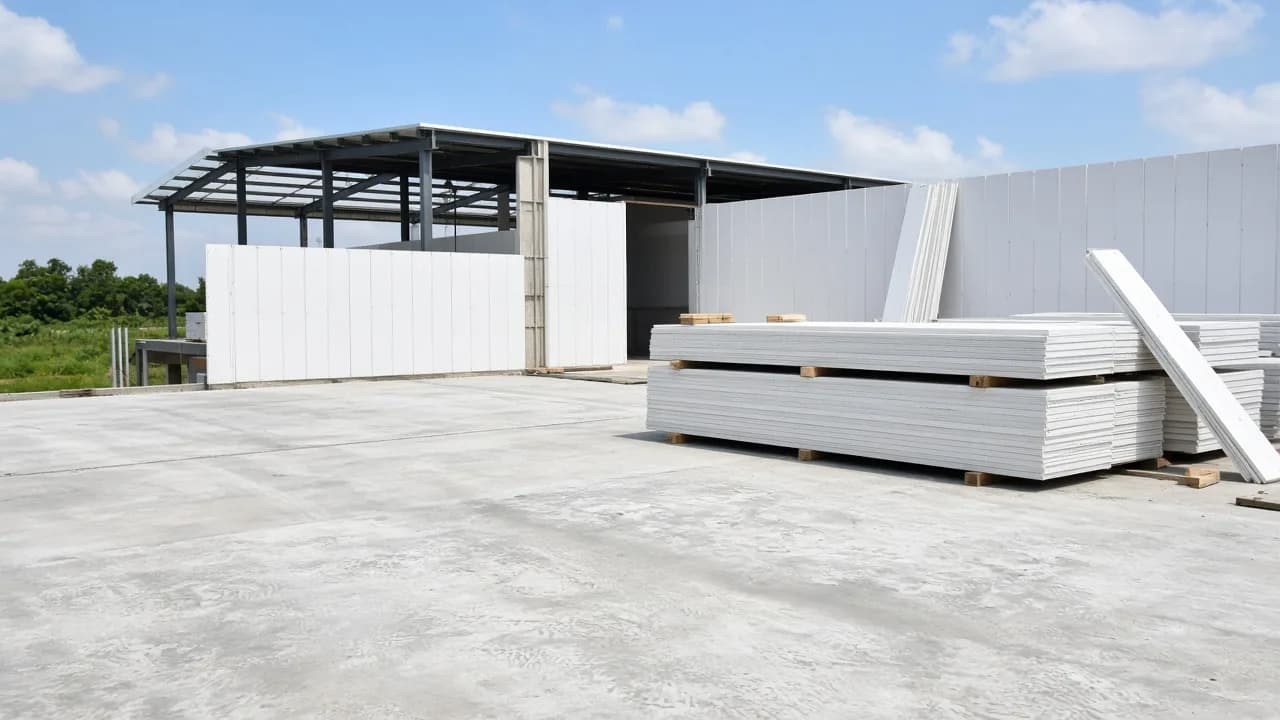
A complete cold room requires more than individual refrigeration components, with the room construction and refrigeration system working together to achieve the required storage condition. Uniref coordinates the equipment installation from the empty floor through temperature pull down and placement of stored products.
01 / 10
Empty floor
The installation begins with the prepared floor area where the cold room structure and refrigeration system will be established.
Refrigeration System Upgrades
Existing cold rooms can sometimes be upgraded when individual equipment or system capacity no longer matches the required operating duty. An assessment helps identify whether replacement, modernisation, capacity enhancement or troubleshooting is appropriate.
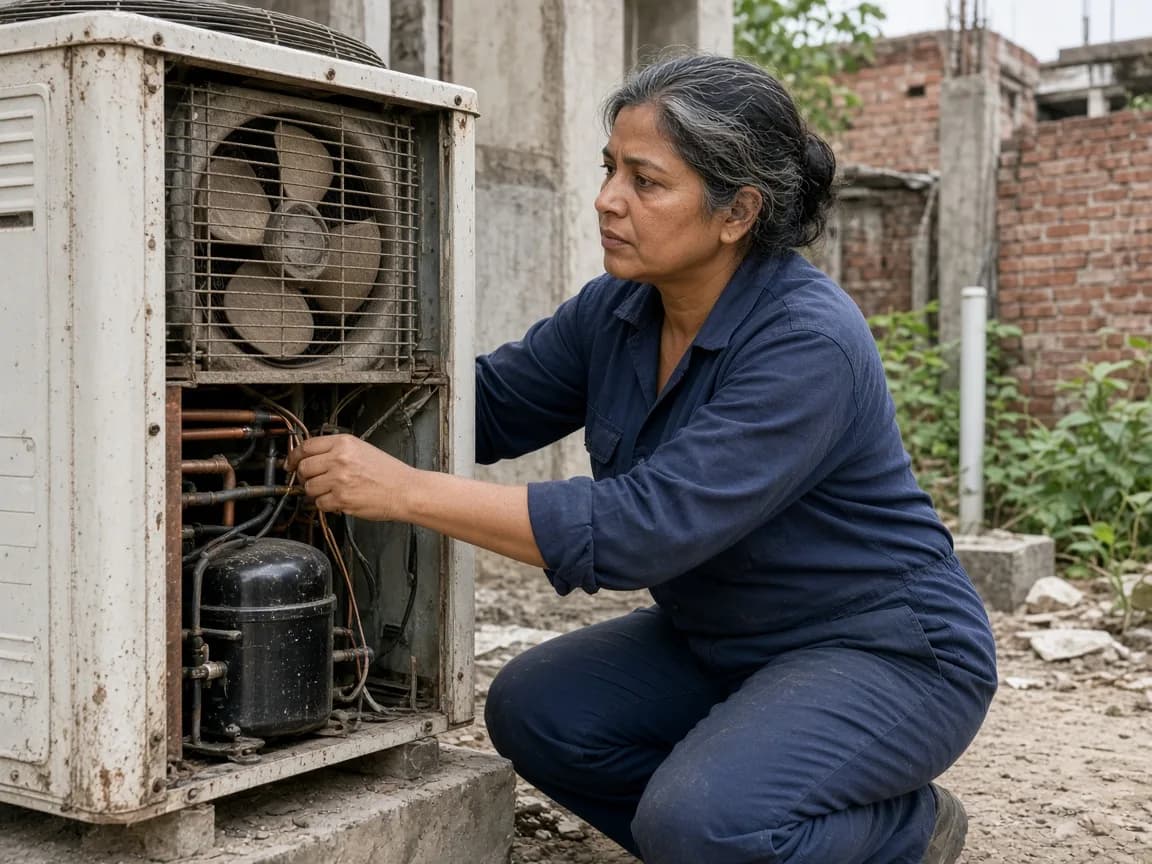
Existing equipment
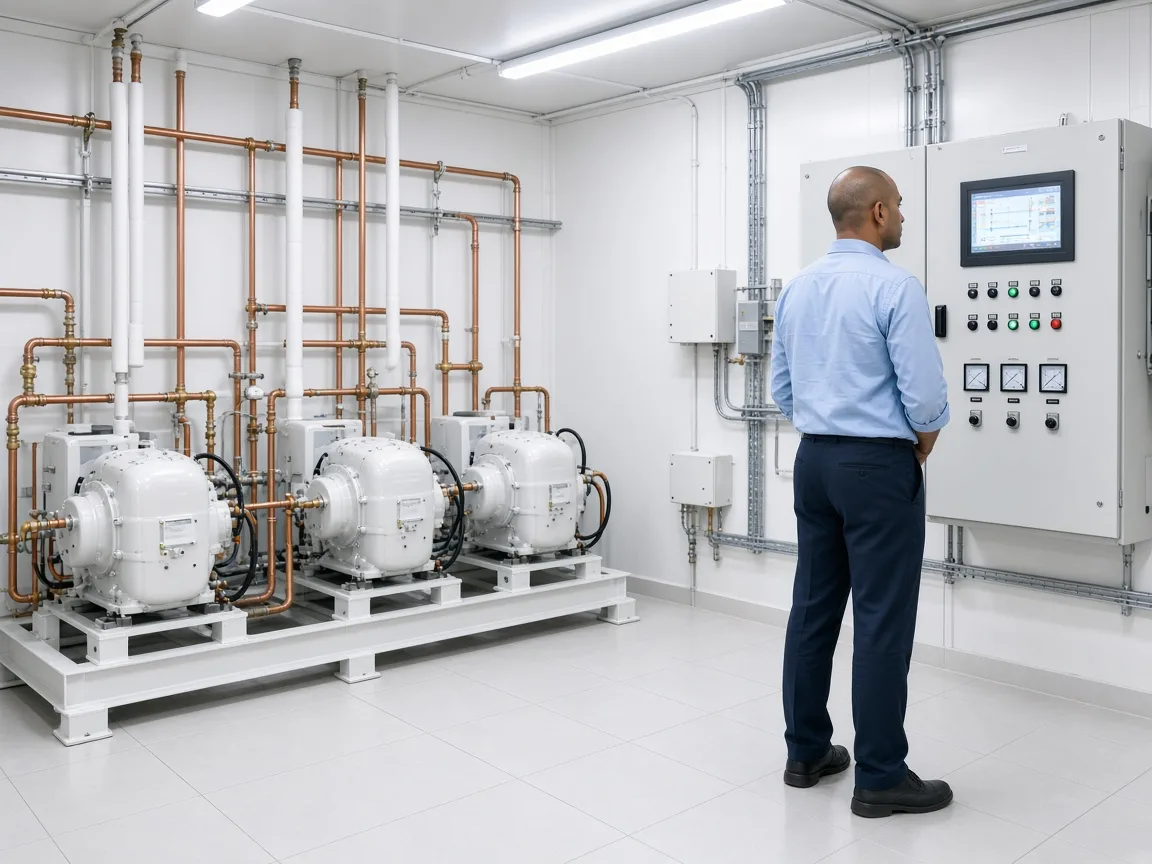
Upgraded plant
The photos show two different installations. They illustrate the change an assessment can lead to. They are not a before and after of one named room.
In view
A compressor replacement can address an equipment condition issue or provide a compressor better suited to the current refrigeration duty.
Replacement
Modernisation
On an existing room
Installation and Service Support
Refrigeration equipment requires correct installation, commissioning and ongoing service to maintain the intended system operation. Uniref provides installation, commissioning, maintenance and upgrade support based on the equipment and room application.
Includes. Installation covers positioning and connecting the refrigeration equipment, piping, controls and related components as part of the complete system.
When. It applies when new refrigeration equipment or a new cold room system is being installed.
Includes. Commissioning checks the installed refrigeration system and controls before the room is placed into regular operation.
When. It applies after installation and before normal storage operations begin.
Includes. Maintenance covers inspection and servicing of refrigeration components and related system functions.
When. It applies during planned service intervals and when ongoing equipment condition needs to be assessed.
Includes. Upgrades cover component replacement, controller modernization, capacity enhancement and other changes to an existing refrigeration system.
When. It applies when an existing cold room requires updated equipment or a different refrigeration duty.
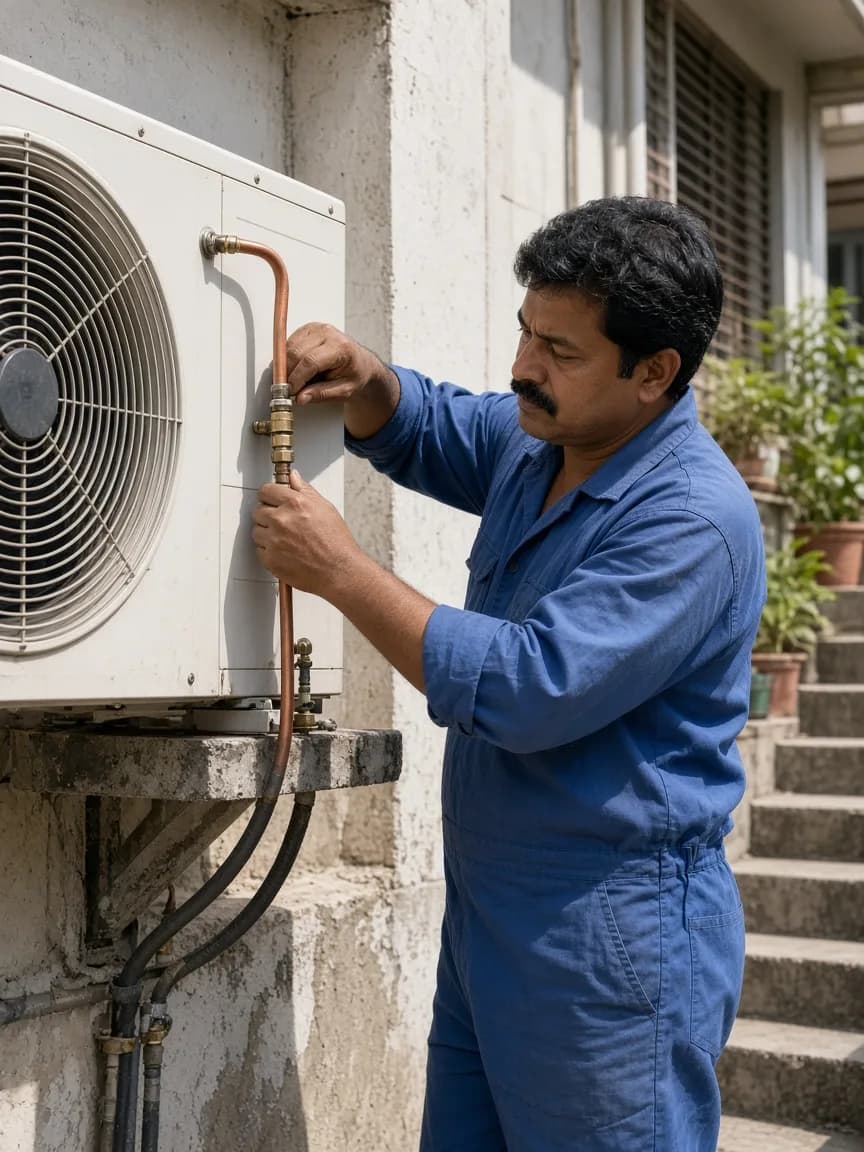
A typical cold room refrigeration system can include a compressor, condensing unit, evaporator, controller, sensors, fans, valves and refrigerant piping. The exact combination depends on the room duty, product and operating requirements.
Capacity is selected using inputs such as product type, required temperature, room dimensions, storage capacity, incoming product temperature, daily loading, door opening frequency and ambient conditions. Room size alone is not enough to determine the required refrigeration capacity.
The compressor is selected according to the freezer room temperature, product load, room dimensions, incoming product temperature, operating hours and other design conditions. The required compressor capacity should be confirmed from the actual room duty rather than selected only from the room size.
The condensing unit rejects heat from the refrigeration circuit and is generally installed outside the refrigerated room. The evaporator absorbs heat from inside the room and is installed within the refrigerated space.
Yes, an existing system can be assessed for compressor replacement, condensing unit replacement, evaporator upgrade, controller modernization, capacity enhancement or system efficiency improvement. The suitable upgrade depends on the condition and current duty of the existing installation.
Yes, Uniref supports installation and commissioning of refrigeration equipment as part of the system setup. The equipment is selected according to the room application and coordinated as one refrigeration system.
High summer temperatures are included as a design input when assessing refrigeration equipment for an Indian site. Condenser selection and system configuration can be affected by the expected ambient conditions.
Uniref provides maintenance and AMC support for refrigeration systems along with installation, commissioning and upgrade services. The applicable service depends on the equipment, room and operating requirements.
Plan the Right Refrigeration System
If you are planning a refrigeration system in India, share the room duty and operating requirement rather than asking for a catalogue model alone. Uniref can assess the application based on the room type, required temperature, product, loading conditions and other relevant inputs.
Jaipur engineering teamName, phone, and equipment requirement are required. Company, project location, cold room type, required temperature, and capacity are optional.+91 7222 001 000


