
Door openings
Frequent access during receiving, processing and dispatch increases warm air and moisture entering the refrigerated space.
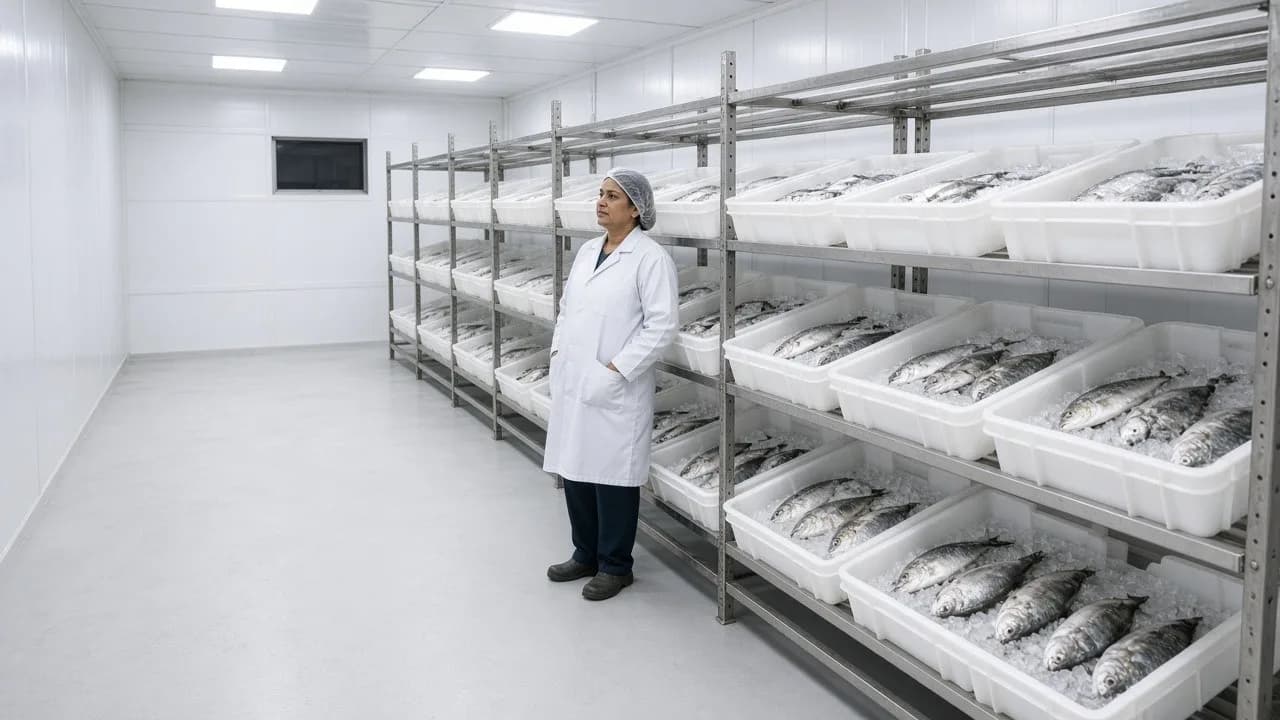
Seafood and Fisheries Refrigeration Solutions
Uniref designs and installs chilled rooms, freezer rooms, blast freezers and cold storage systems for seafood processors, fisheries, distributors, exporters, warehouses and cold chain operators across India. As a cold room manufacturer for seafood & fisheries operations, we engineer each system around the product condition, processing stage, storage requirement, loading pattern and operating environment.
Room temperature
+32°C
The visual represents a seafood cold room moving toward its required storage condition, while the final setpoint is confirmed from the product and process specification.
The Seafood Storage Challenge
Seafood operations can involve fresh products, chilled products, frozen stock and frequent movement between receiving, processing, storage and dispatch. Product heat, door movement, moisture, dense loading and long operating hours can all change the refrigeration load inside the facility.
01
Seafood can enter the refrigerated space directly from receiving, processing or another handling stage. The refrigeration system must consider this incoming heat load together with the condition already maintained inside the room.
02
Door openings, workers, lights, crates, pallets and frequent material movement can add heat to a refrigerated space. Equipment selection should therefore reflect actual operating activity rather than only the empty room volume.
03
Seafood facilities can involve wet environments and frequent movement between warmer and colder spaces. In freezer applications, incoming moisture can contribute to frost on coils, doors and other cold surfaces.
04
The refrigeration system continuously removes heat entering through products, walls, doors and daily activity. Correct evaporator, condensing unit, compressor, airflow and defrost selection helps the room operate under actual seafood handling conditions.
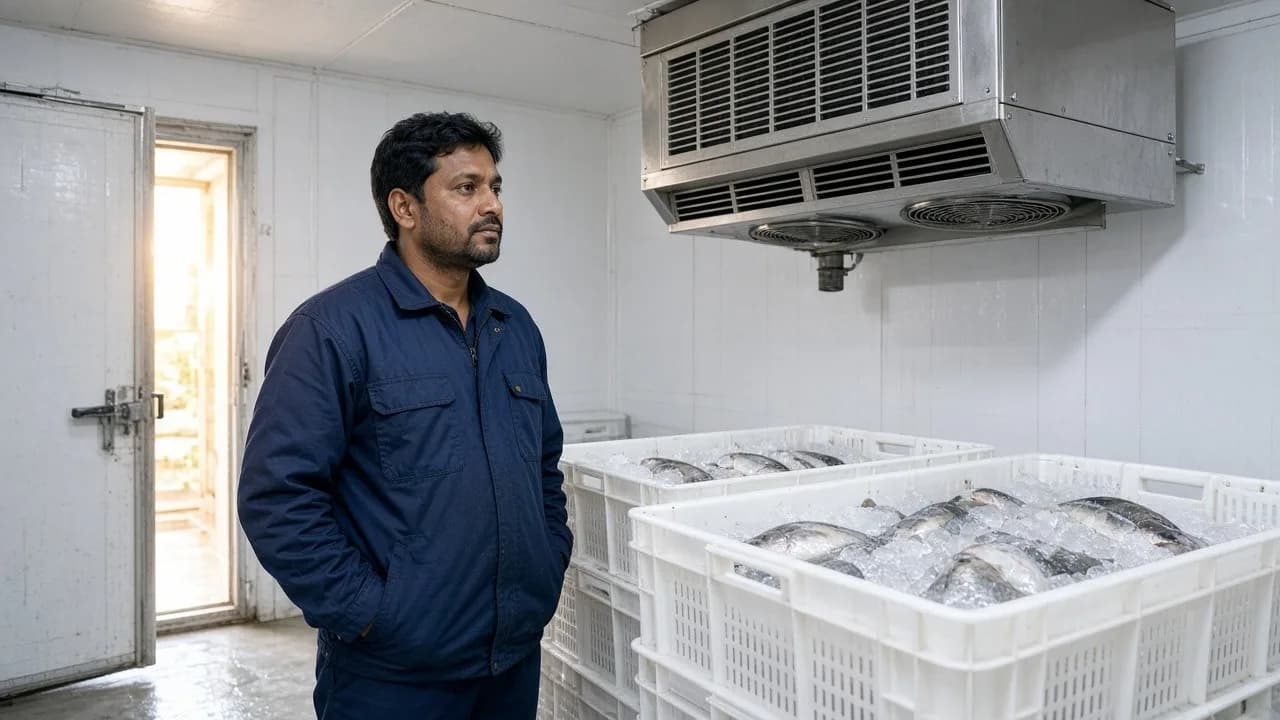
Frequent access during receiving, processing and dispatch increases warm air and moisture entering the refrigerated space.
The amount, incoming condition and packaging of seafood directly influence the refrigeration duty.
Closely stacked seafood boxes, cartons or pallets can restrict conditioned air from reaching the full load.
Wet handling areas and low temperature rooms require suitable drainage and floor planning.
Rooms for Seafood Operations
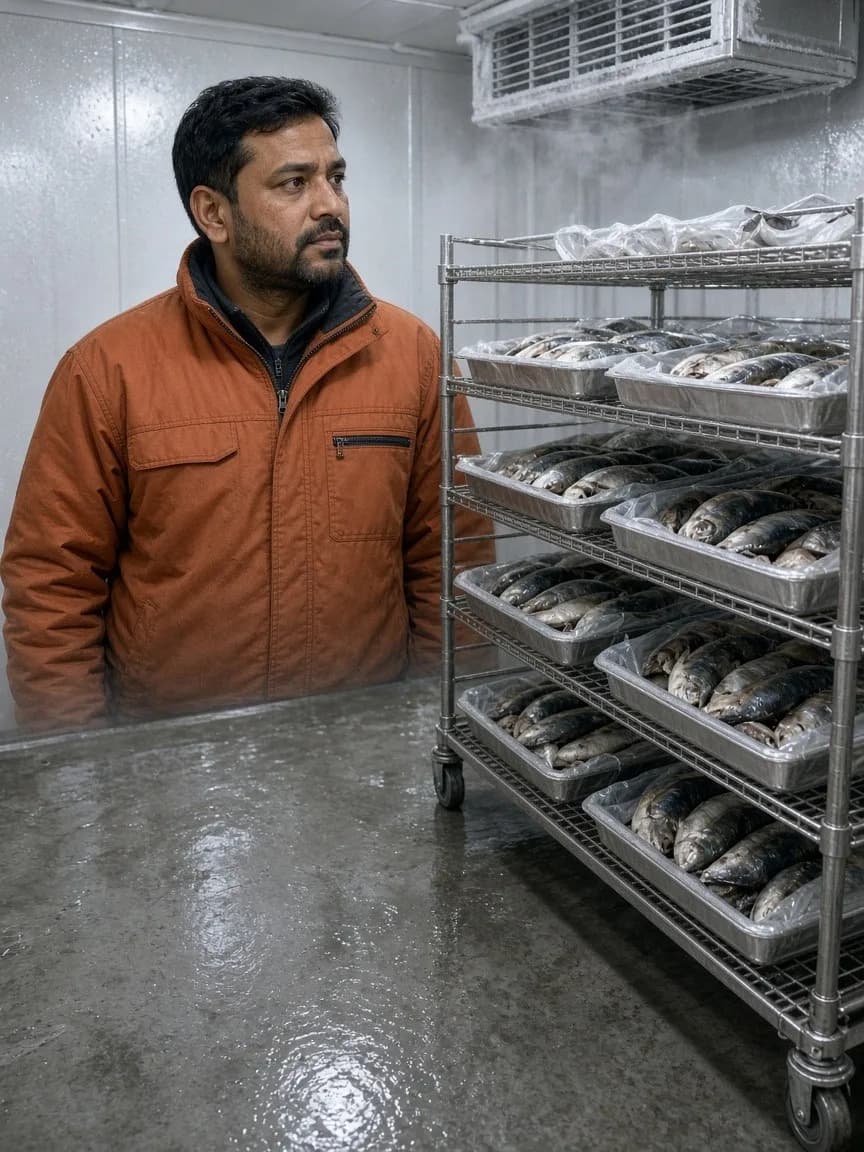
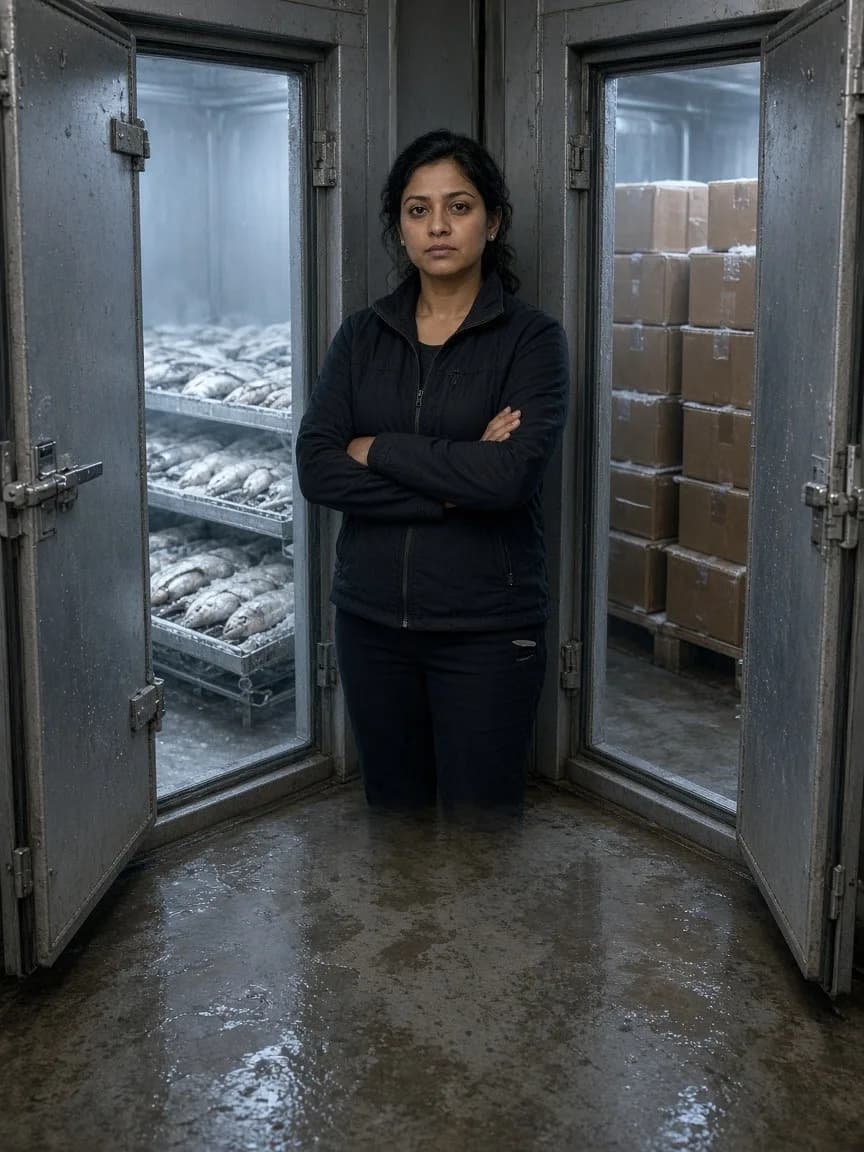
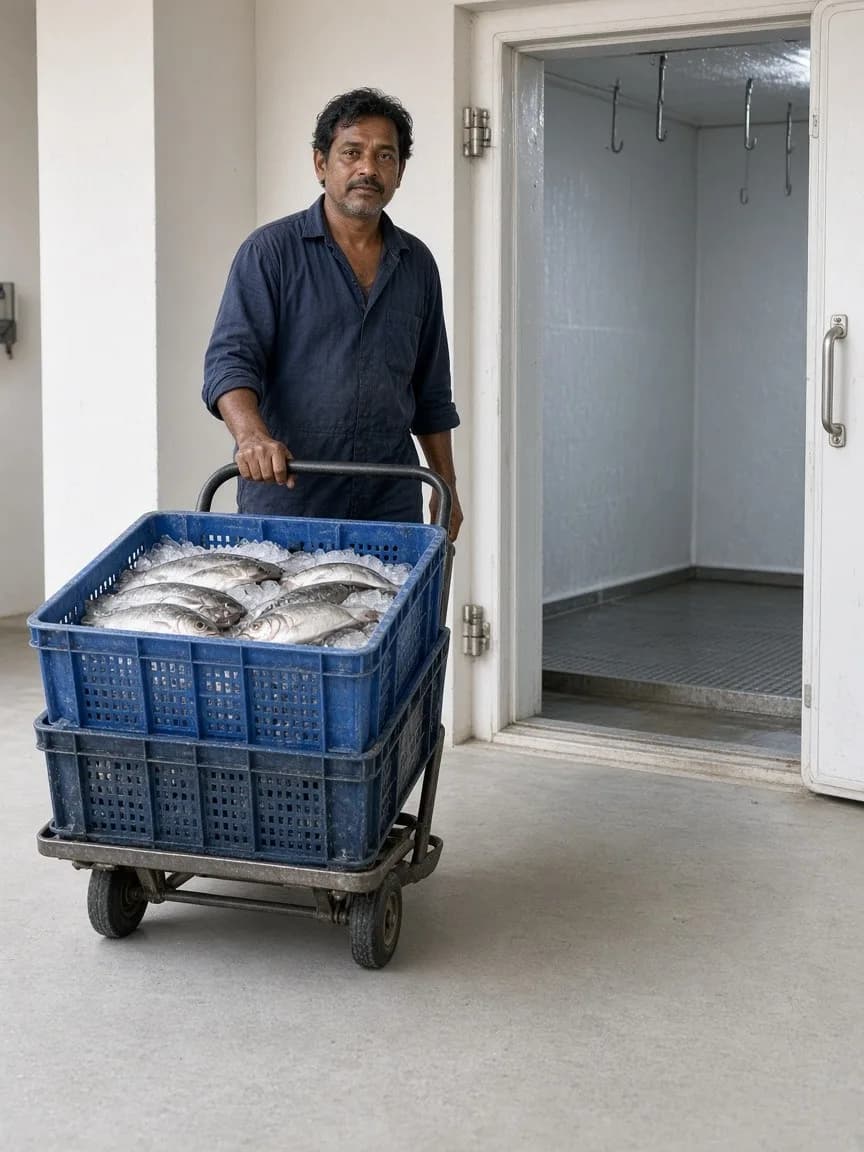
Seafood and fisheries facilities can require separate refrigerated spaces for fresh products, chilled holding, rapid freezing, frozen storage and distribution. Uniref configures each room according to its actual refrigeration duty rather than using one specification across the entire facility.
From Landing to Dispatch
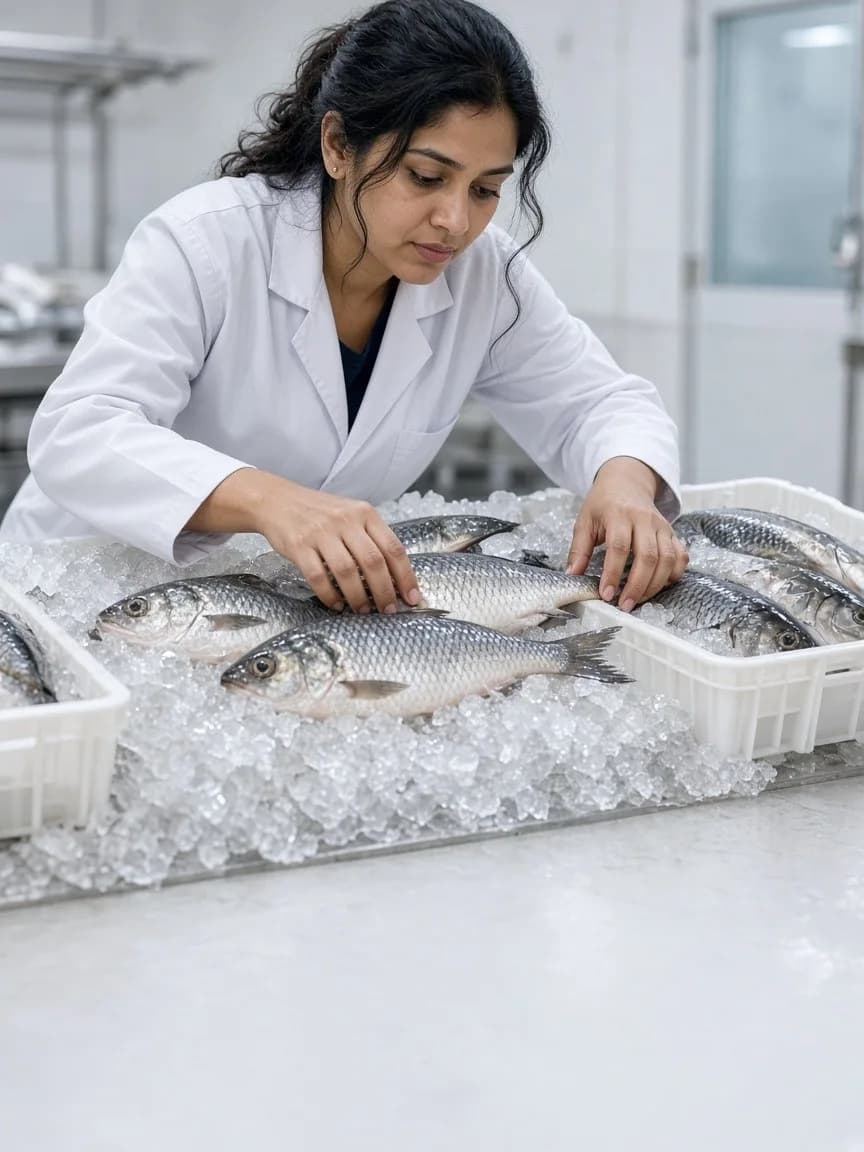
Seafood products can move through several temperature controlled stages before reaching customers or further distribution. Refrigeration planning should therefore consider receiving, processing, chilling, freezing, storage and dispatch as connected parts of the same cold chain.
Receiving
Receiving
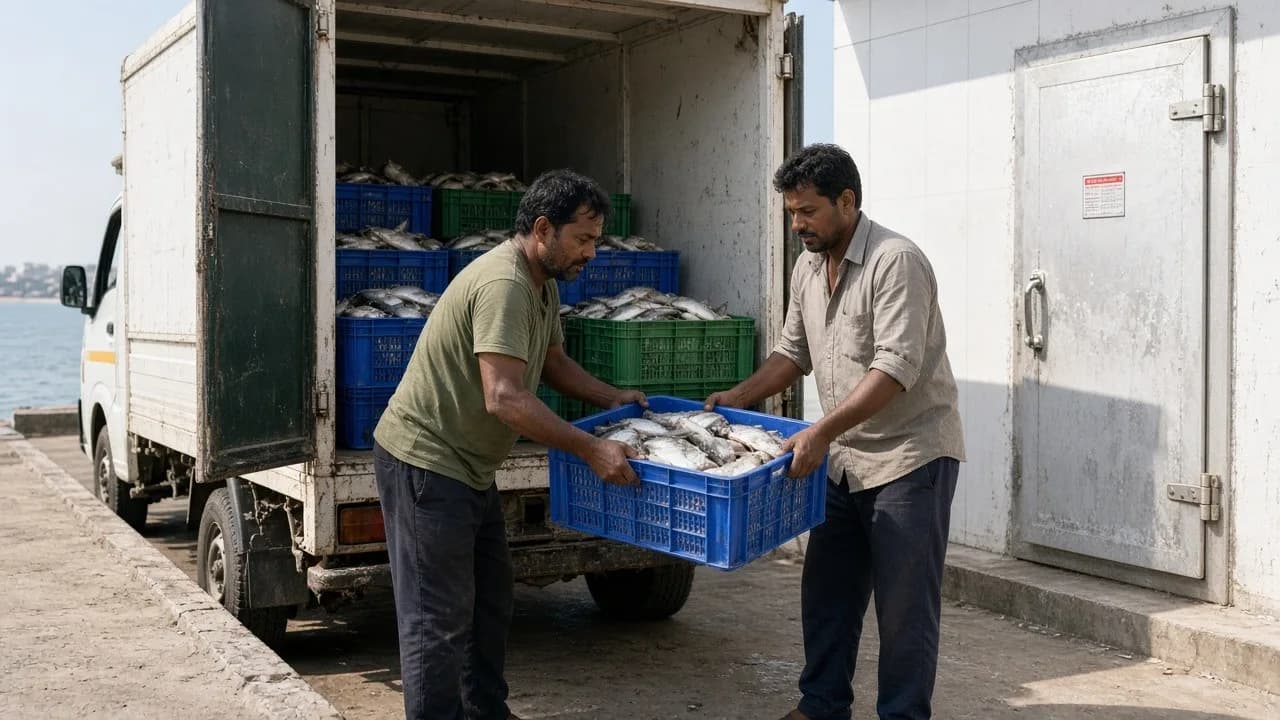
Seafood can arrive from fisheries, landing centres, farms or transport providers under different conditions. The receiving area should support efficient transfer into processing or refrigerated storage. The incoming product condition should be reviewed because it directly affects the refrigeration load on the facility.
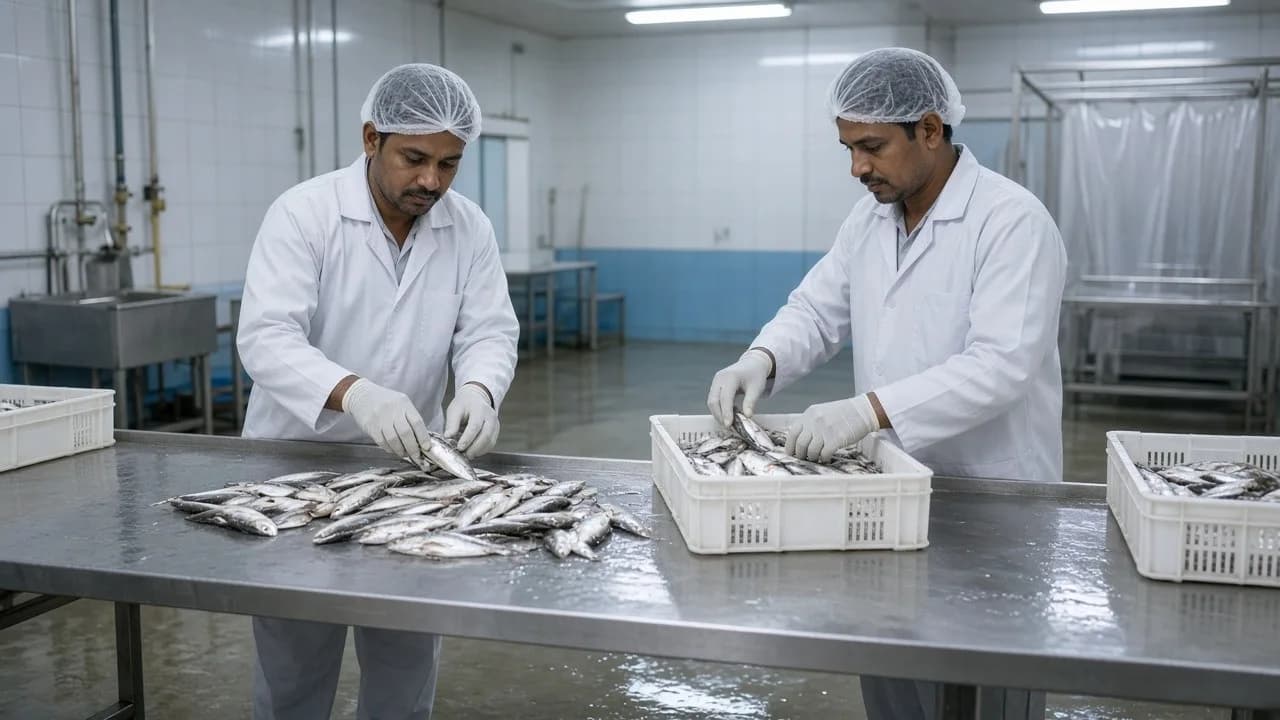
Sorting and Grading
Seafood may pass through sorting, grading and inspection before further processing. These activities involve people, containers and repeated product movement. The refrigeration requirement should reflect how long products remain in this stage and how the area connects with later storage.
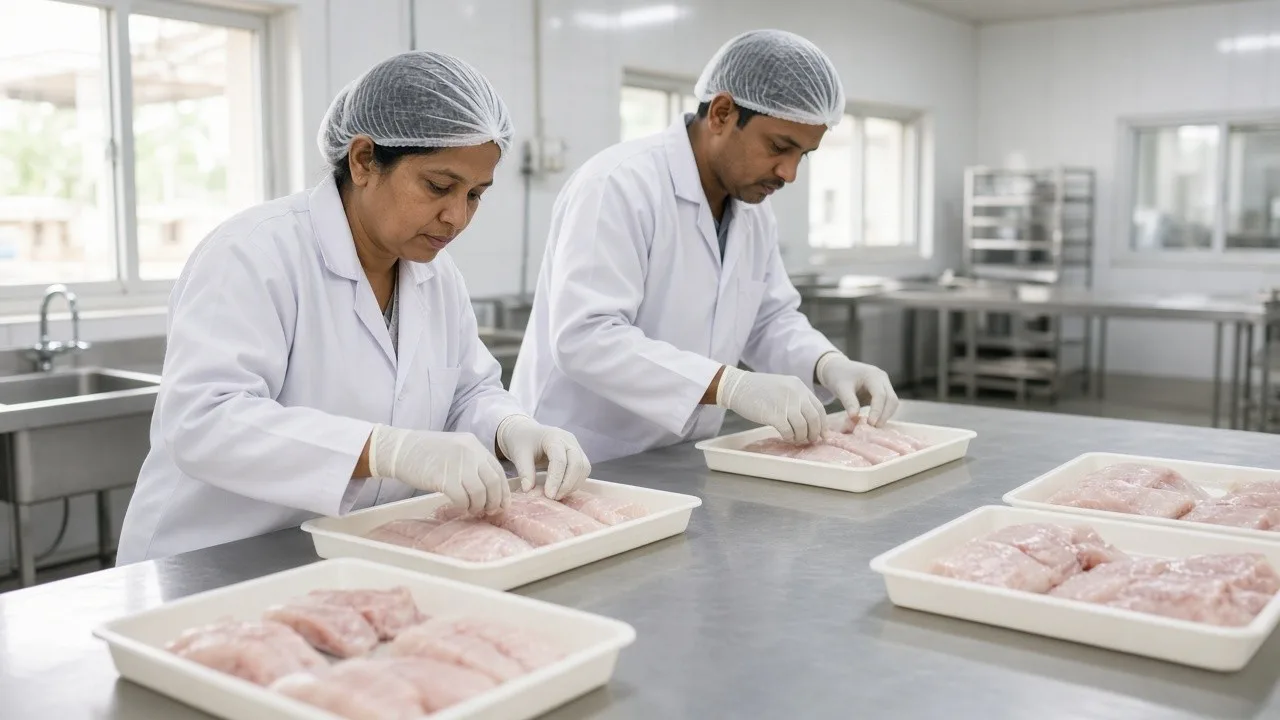
Processing
Cleaning, cutting, portioning and packing can introduce additional heat into controlled areas. Equipment, workers and frequent product movement can all influence the refrigeration requirement. The design should therefore consider the actual seafood processing operation instead of using a simple storage room specification.
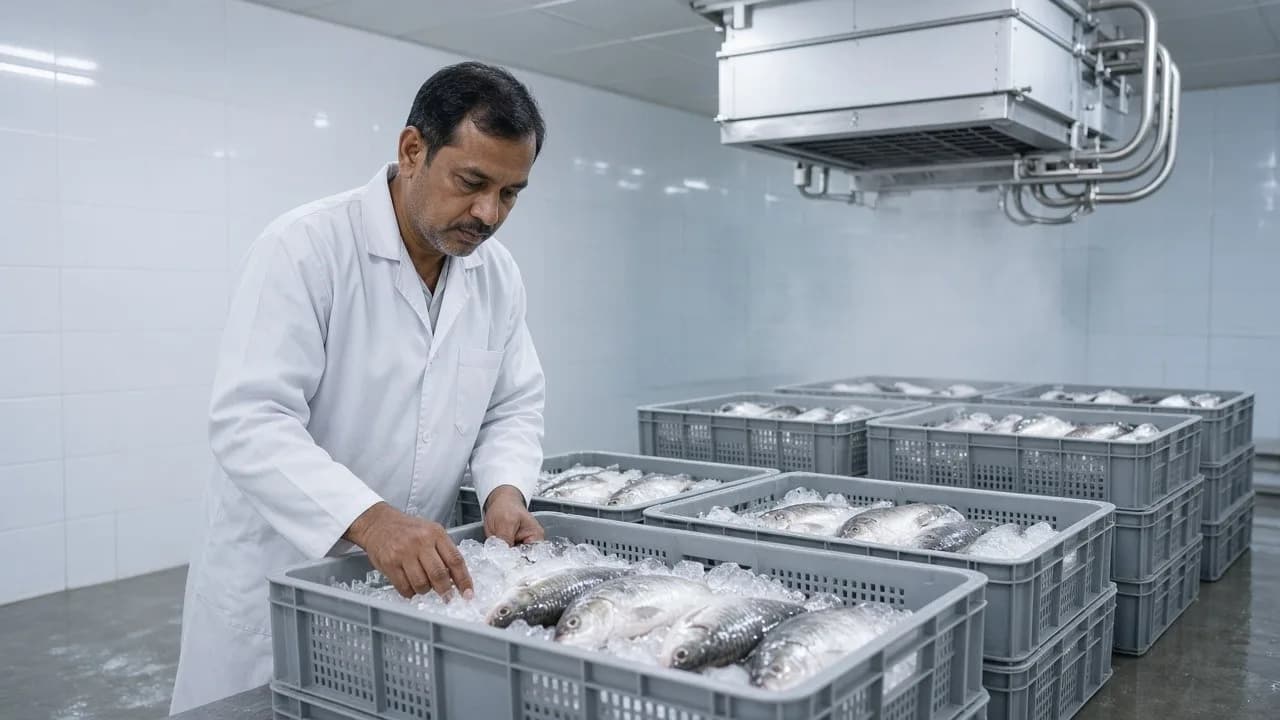
Chilling
Fresh seafood may require controlled chilled conditions before further processing or distribution. The final storage condition should follow the specific seafood and process requirement. Chilling duty should be treated separately from frozen holding because the refrigeration load and room use can differ.
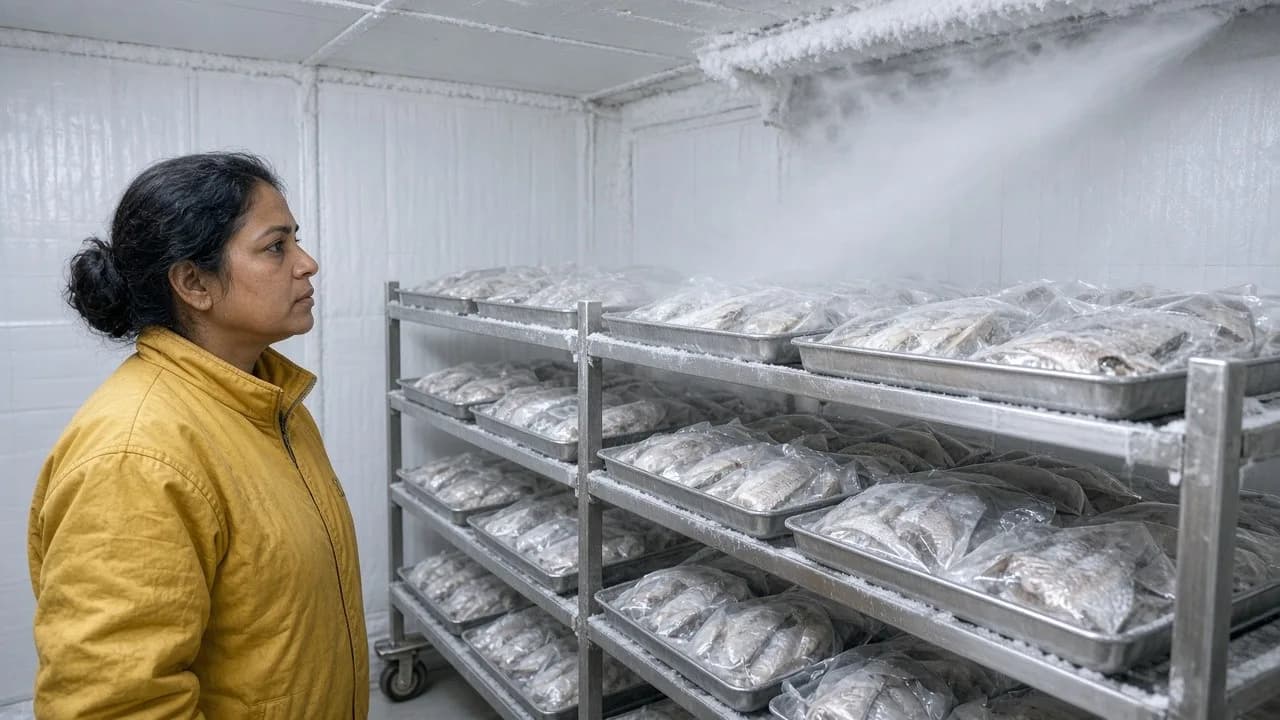
Blast Freezing
Seafood that requires rapid freezing can move through a blast freezer before storage. This stage removes product heat faster than a room designed only for frozen holding. Product thickness, packaging, batch size and loading arrangement should be considered during blast freezer design.
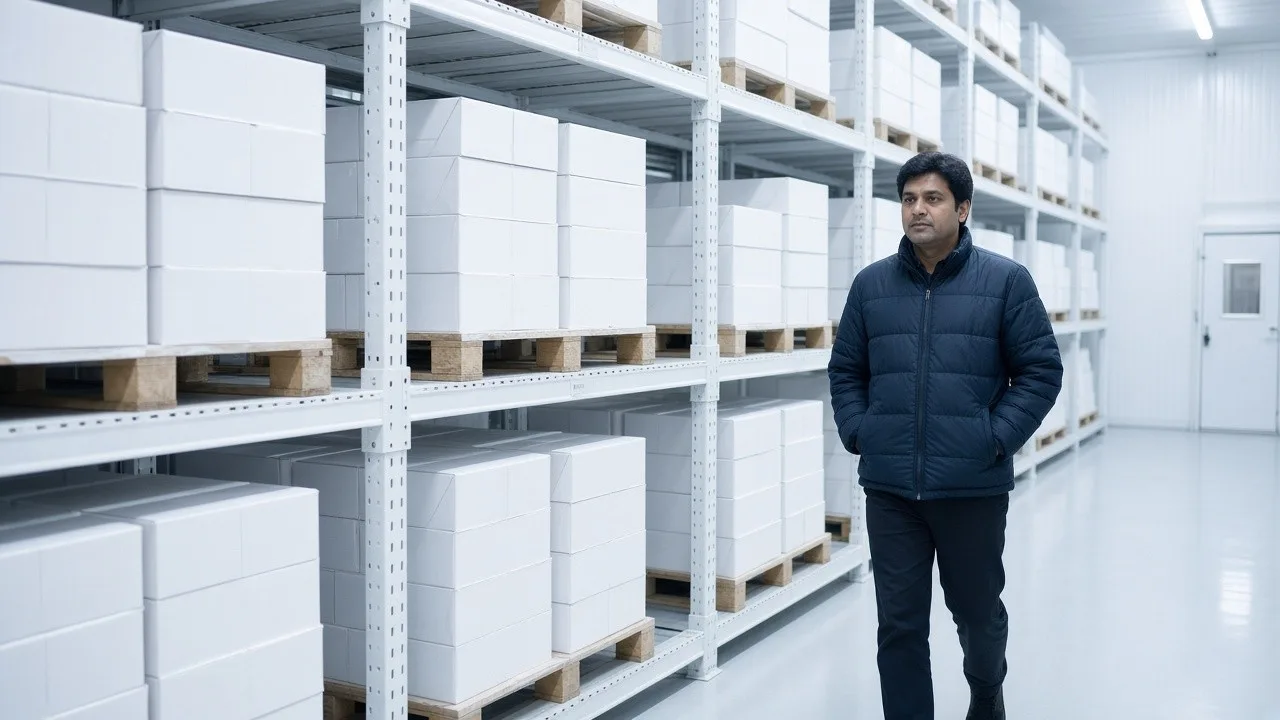
Frozen Storage
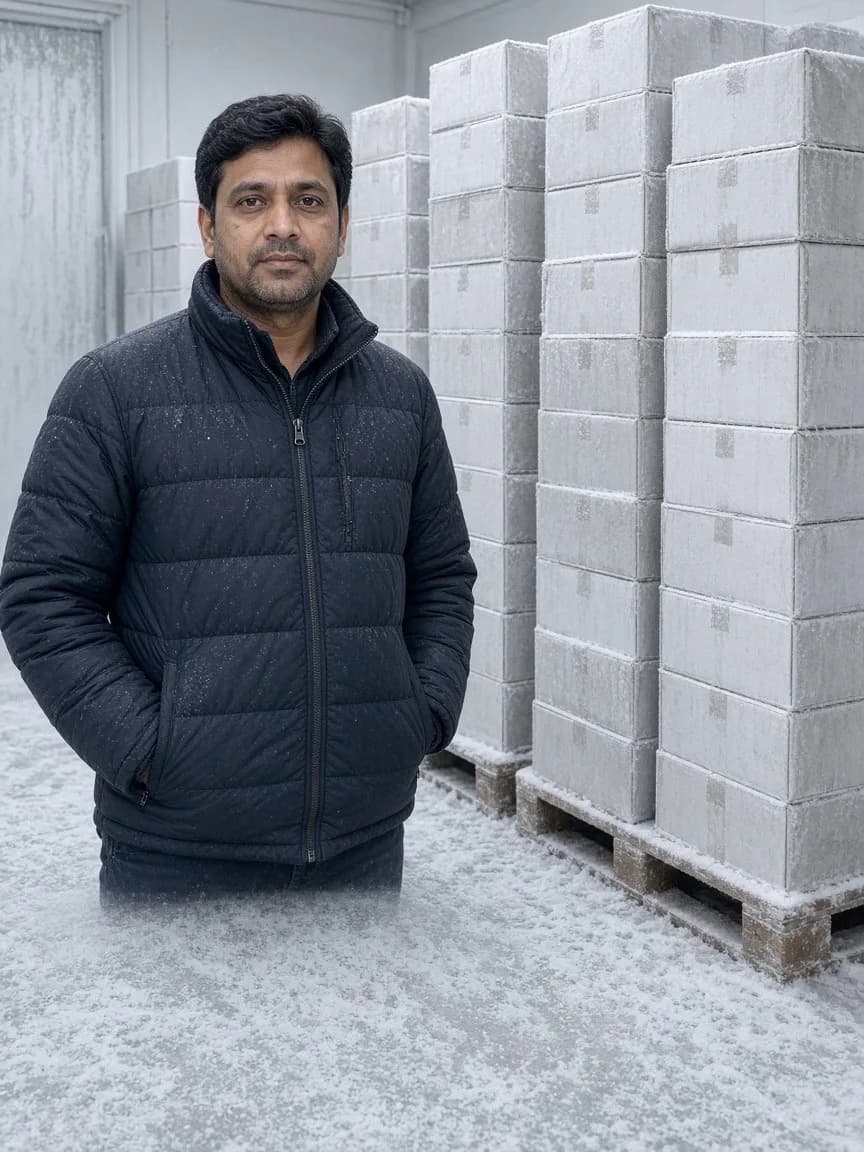
Once seafood reaches the required frozen condition, it can move into a freezer room. The storage room maintains the selected frozen condition while products remain in the facility. The design should also consider cartons, pallet arrangement, door activity and clear airflow paths.

Order Picking
Picking introduces people, pallet movement and repeated door openings into refrigerated areas. Busy export or distribution periods can create concentrated heat and moisture loads. The internal layout should support efficient picking while reducing unnecessary travel through the complete cold room.
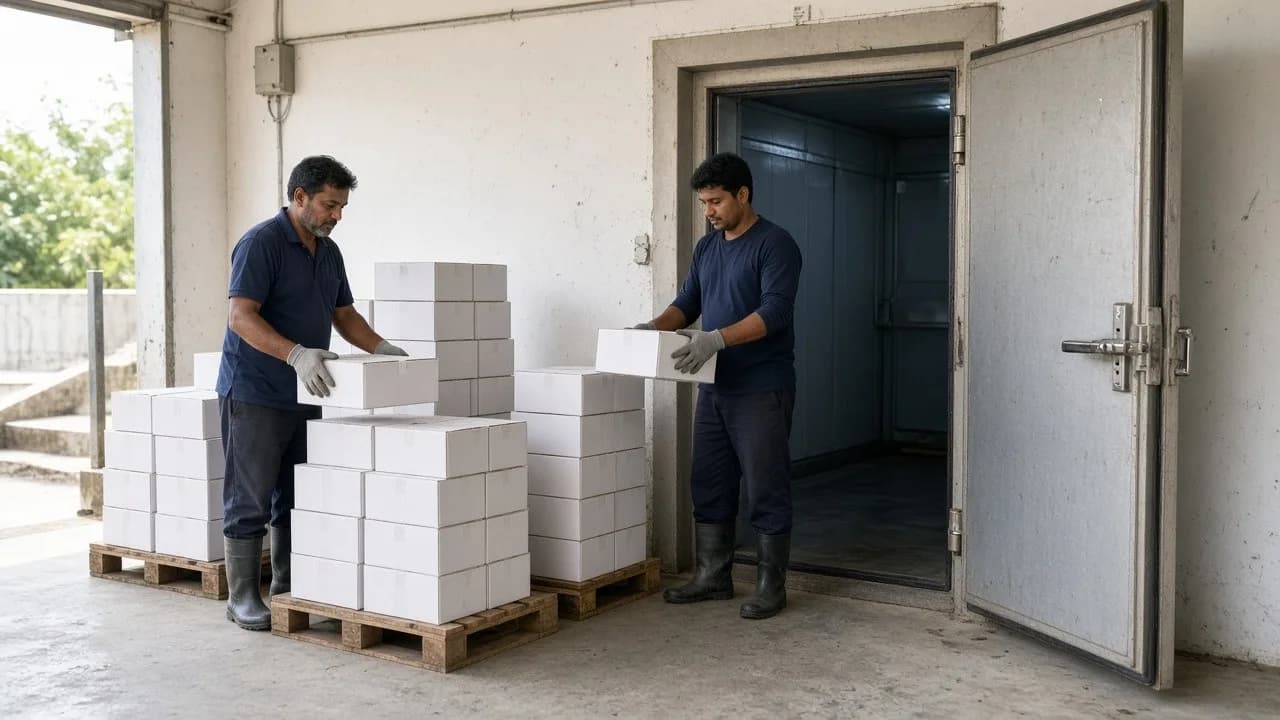
Staging
Orders may need temporary staging between storage and dispatch. This area should be planned so seafood does not remain unnecessarily exposed to warmer surrounding conditions. Ante rooms or controlled transition areas can support product movement where the facility process requires them.
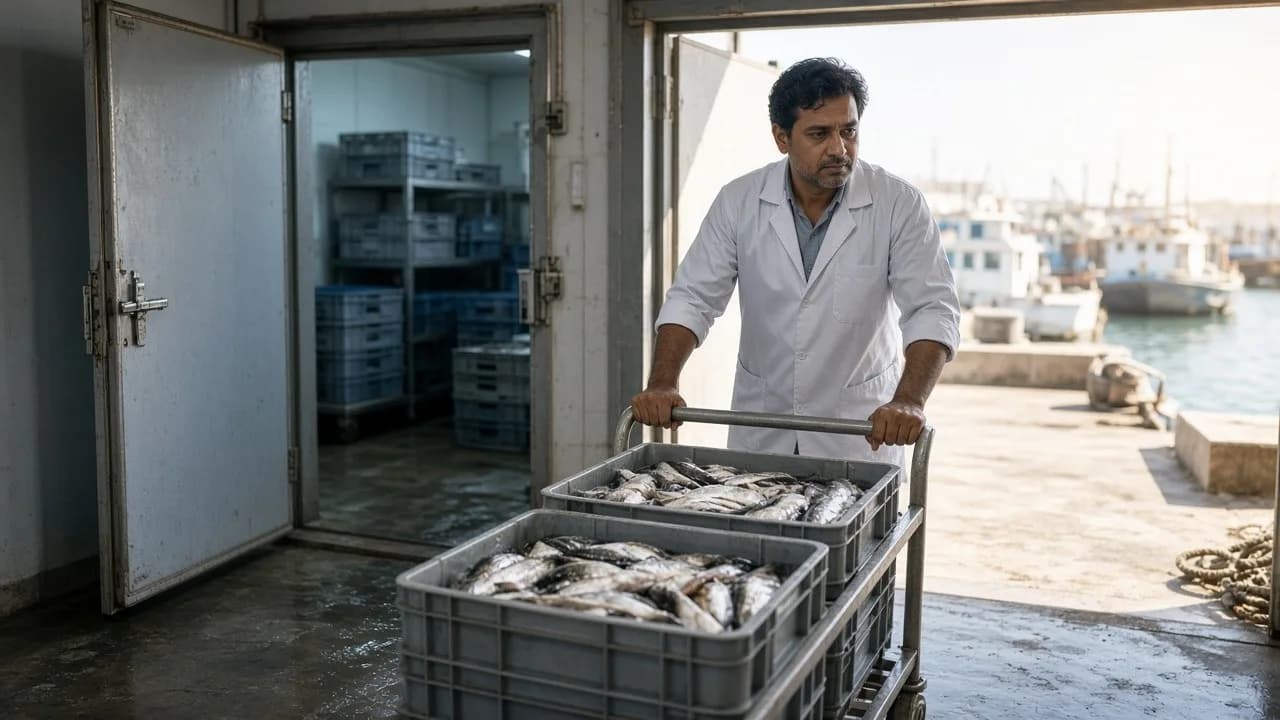
Dispatch
Seafood leaves storage through doors and loading areas before entering transport. The route should be practical and direct to reduce unnecessary exposure during transfer. Door placement and loading arrangements can help limit heat and moisture entering the main cold room.
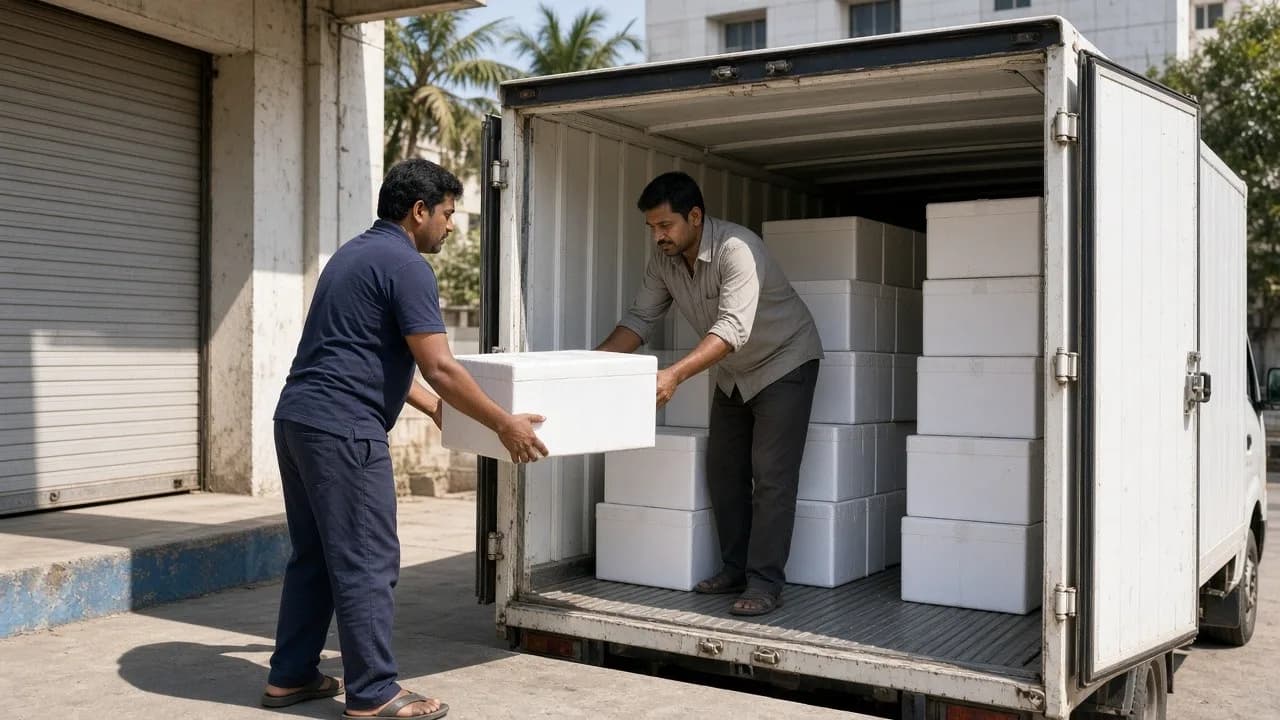
Refrigerated Transport
Temperature control may continue after products leave the facility. The dispatch layout should support efficient movement into suitable refrigerated vehicles. This helps connect the seafood cold room with the next stage of the cold chain.
Swipe to move the product along the cold chain.
Storage by Product Requirement
Seafood products can require different refrigerated conditions depending on whether they are fresh, chilled, processed or frozen. Uniref therefore starts with the product specification, incoming condition, packaging, process stage and distribution requirement before selecting the refrigeration system.
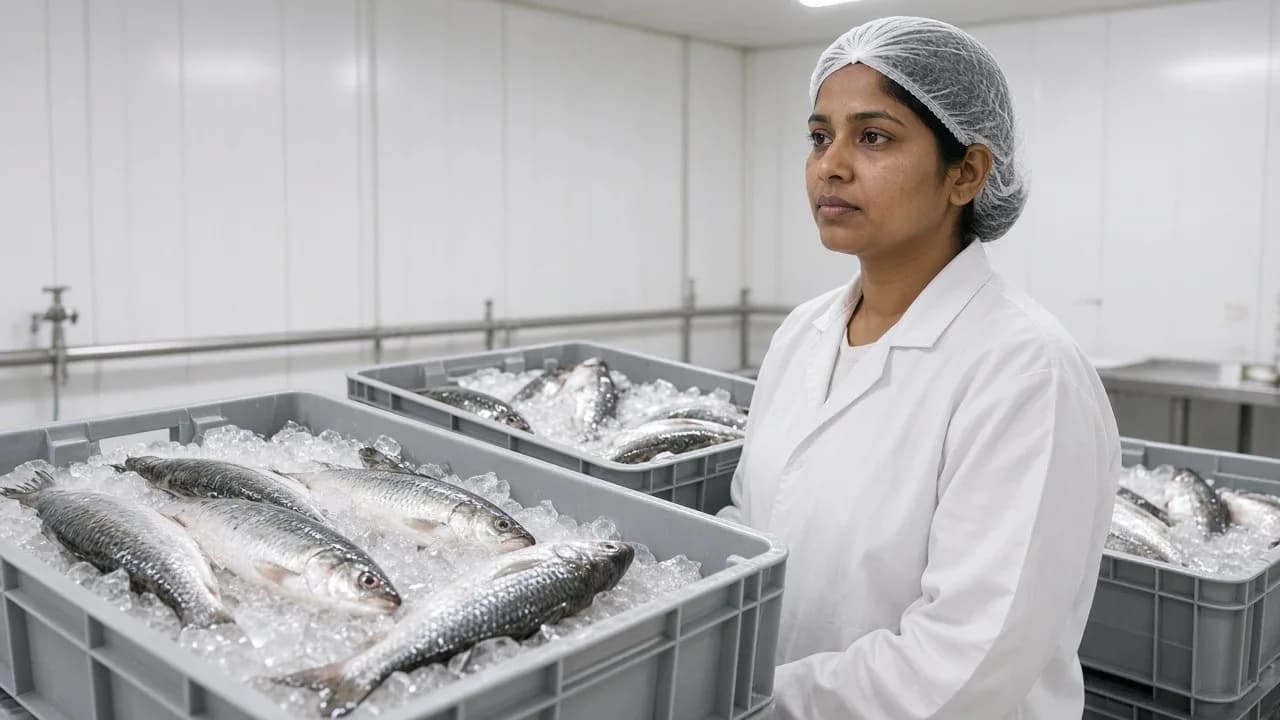
The product specification, packaging, incoming temperature and handling process determine the final room and refrigeration requirement.
Inside the Refrigeration System
A seafood cold room is more than an insulated enclosure with refrigeration equipment. Panels, doors, evaporators, condensing units, floors, drainage, piping and controls must work together according to the actual storage duty.
01 / 11
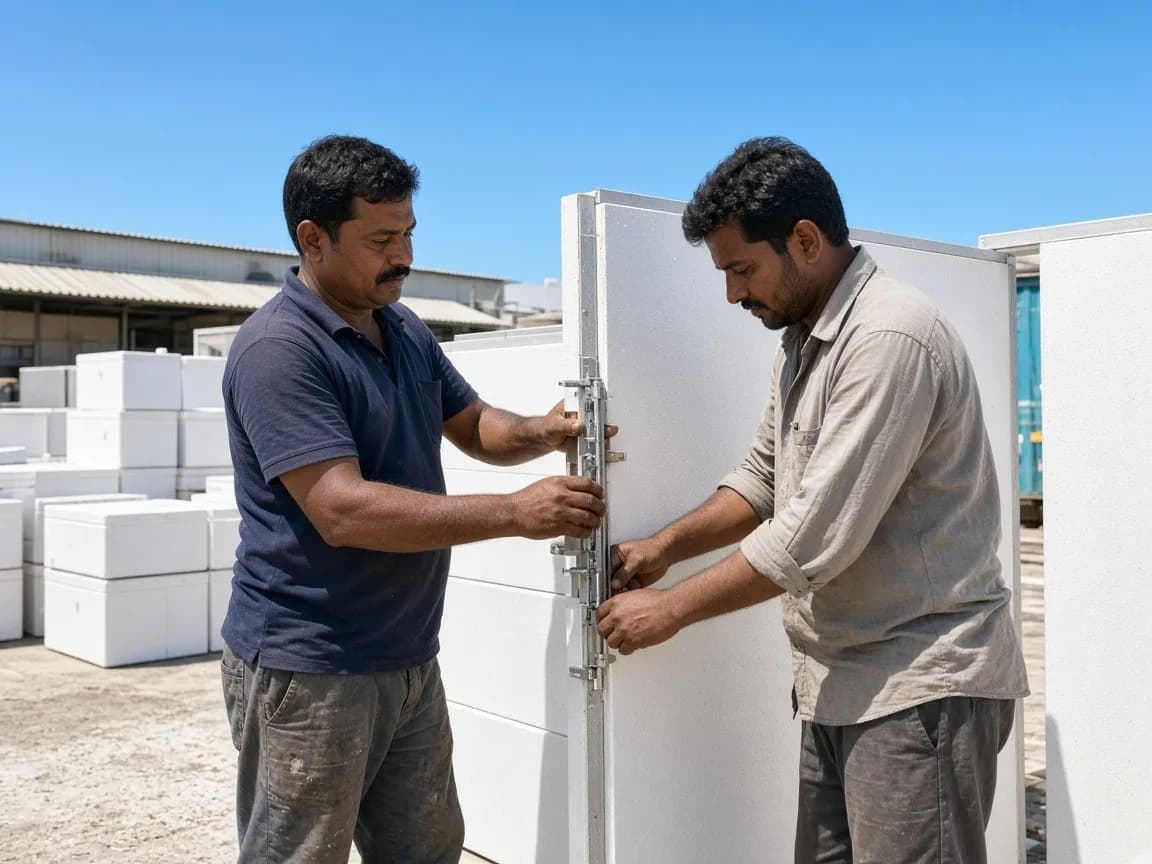
Insulated PUF and PIR Panels
01
PUF panels and PIR panels create the insulated enclosure separating refrigerated space from warmer surroundings. Panel selection and thickness should match the required room condition and operating environment.
02
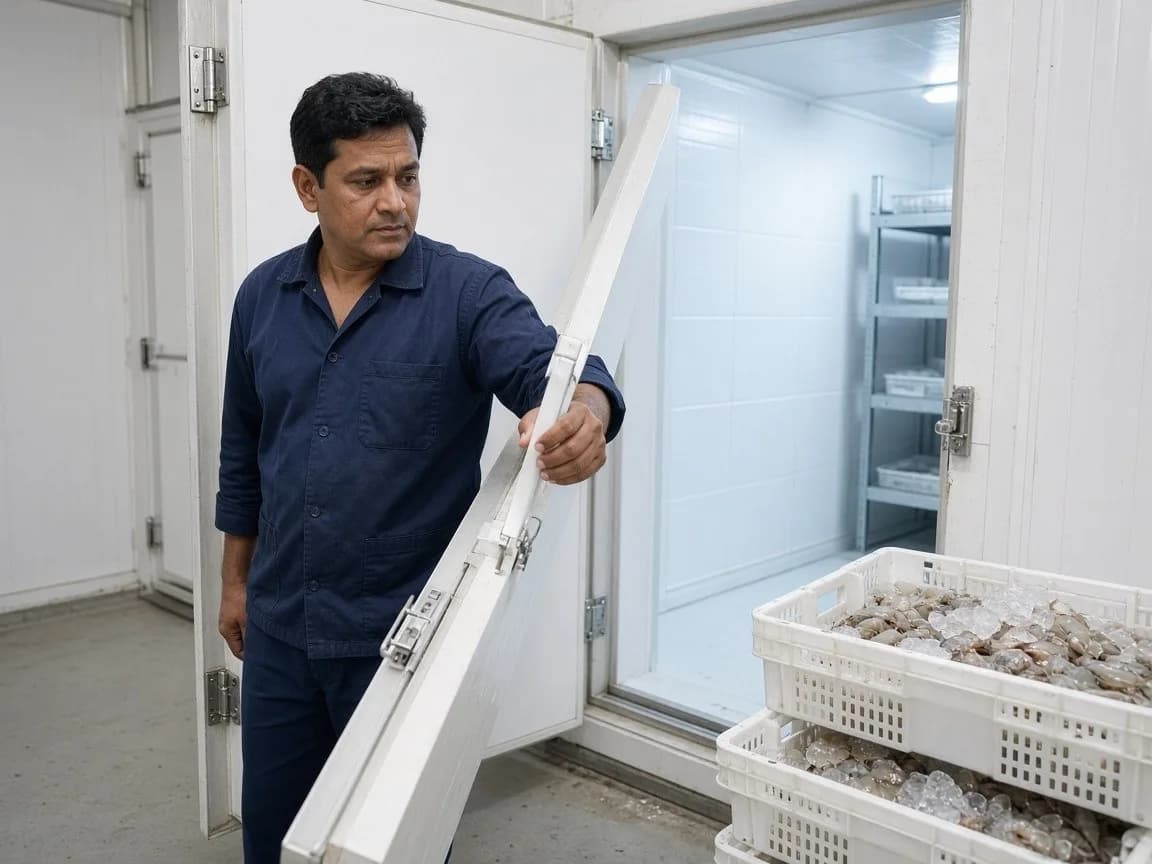
Doors must support regular movement while limiting unnecessary heat and moisture entry. Their dimensions should suit seafood boxes, pallets, trolleys and handling equipment.
03
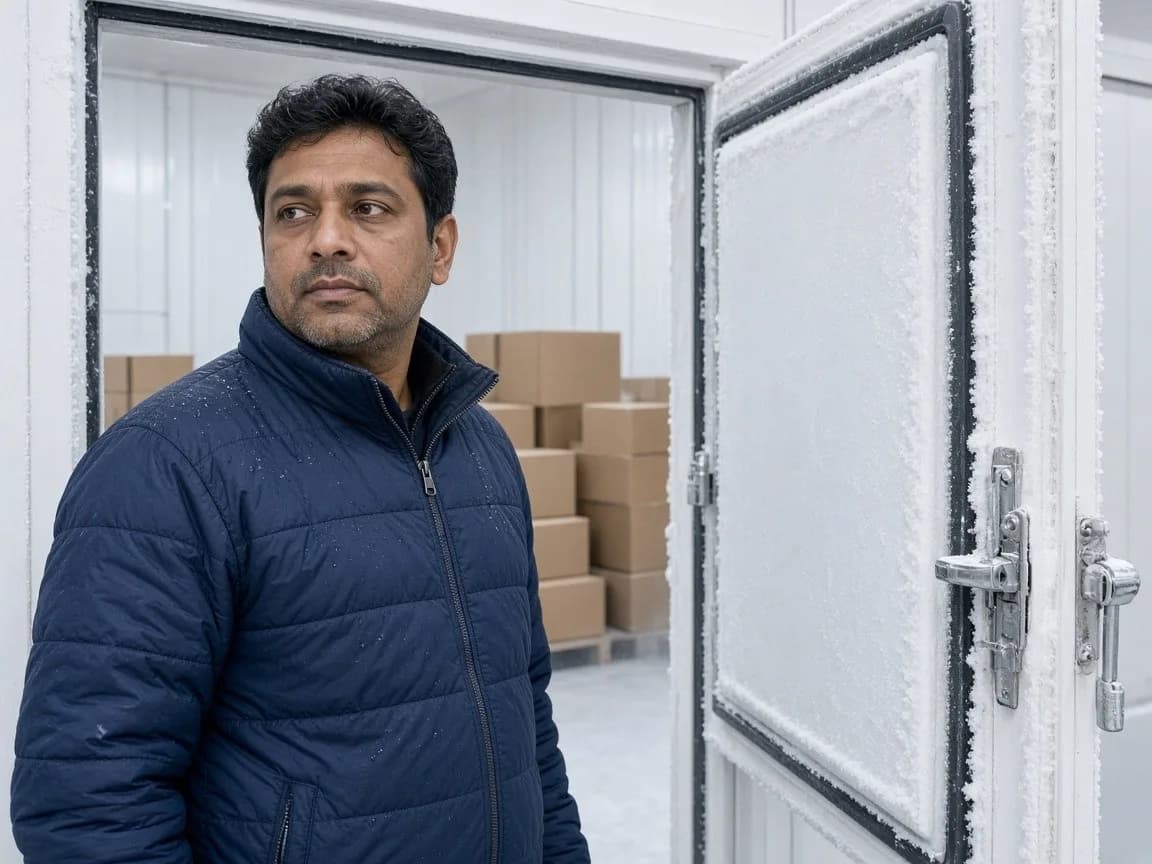
Frozen seafood rooms require doors selected specifically for low temperature duty. Construction, insulation and sealing should suit the room condition and access pattern.
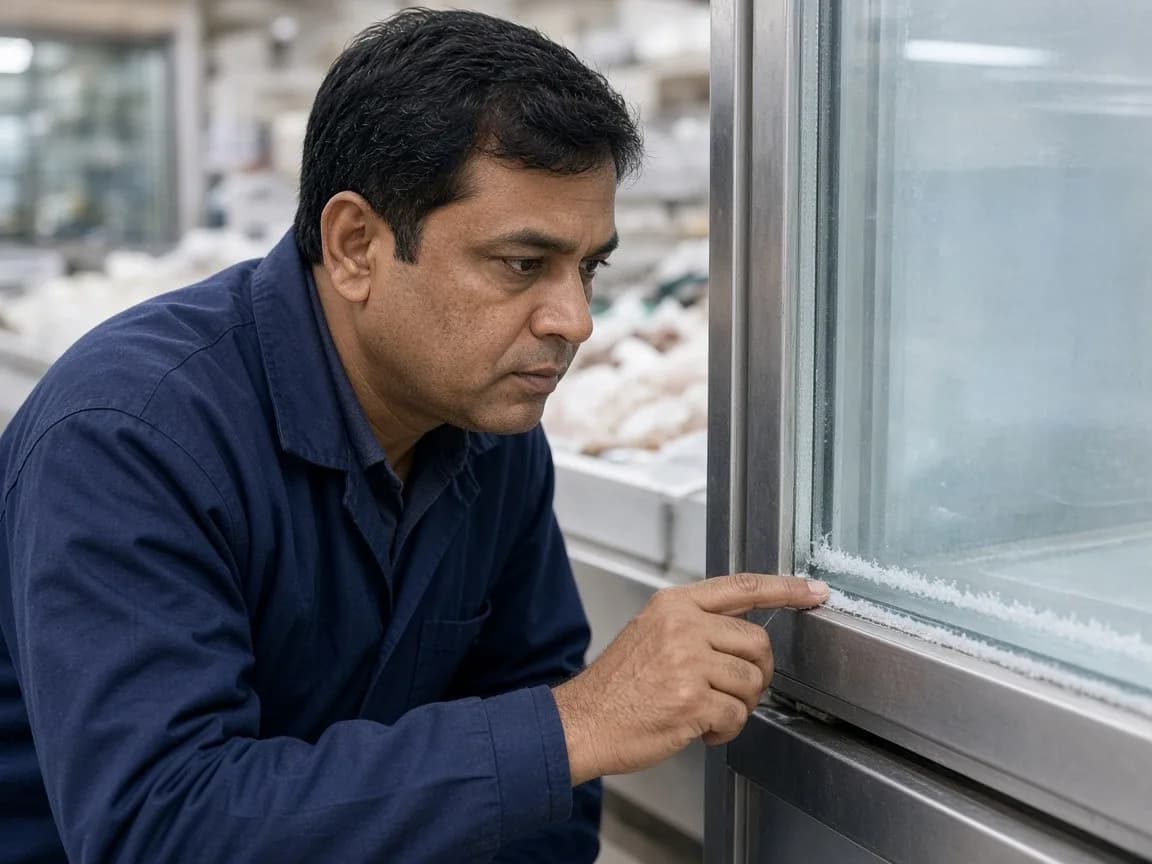
04
Low temperature doors can require frame heating where freezing may occur around the opening. This requirement should be assessed during engineering rather than assumed for every doorway.
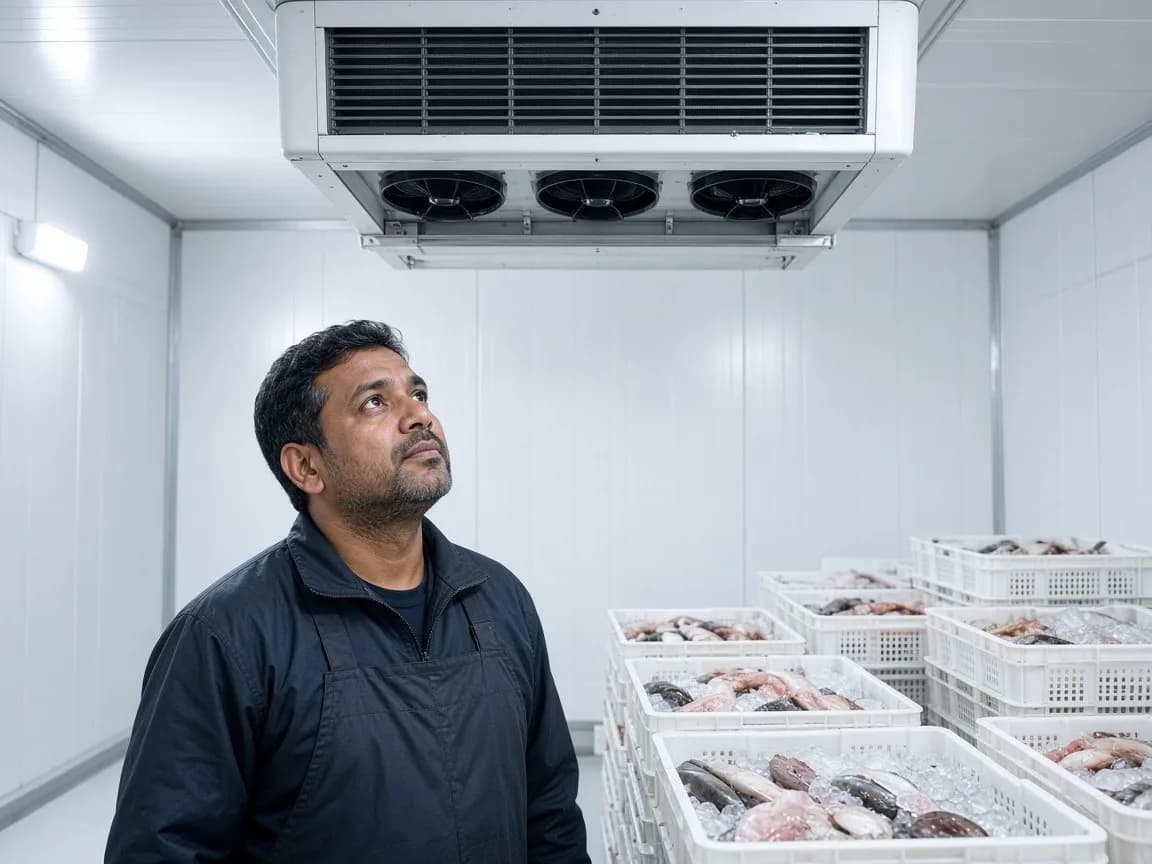
05
The evaporator removes heat from the room and circulates conditioned air through the storage area. Capacity, fan arrangement and placement should suit the calculated refrigeration load.
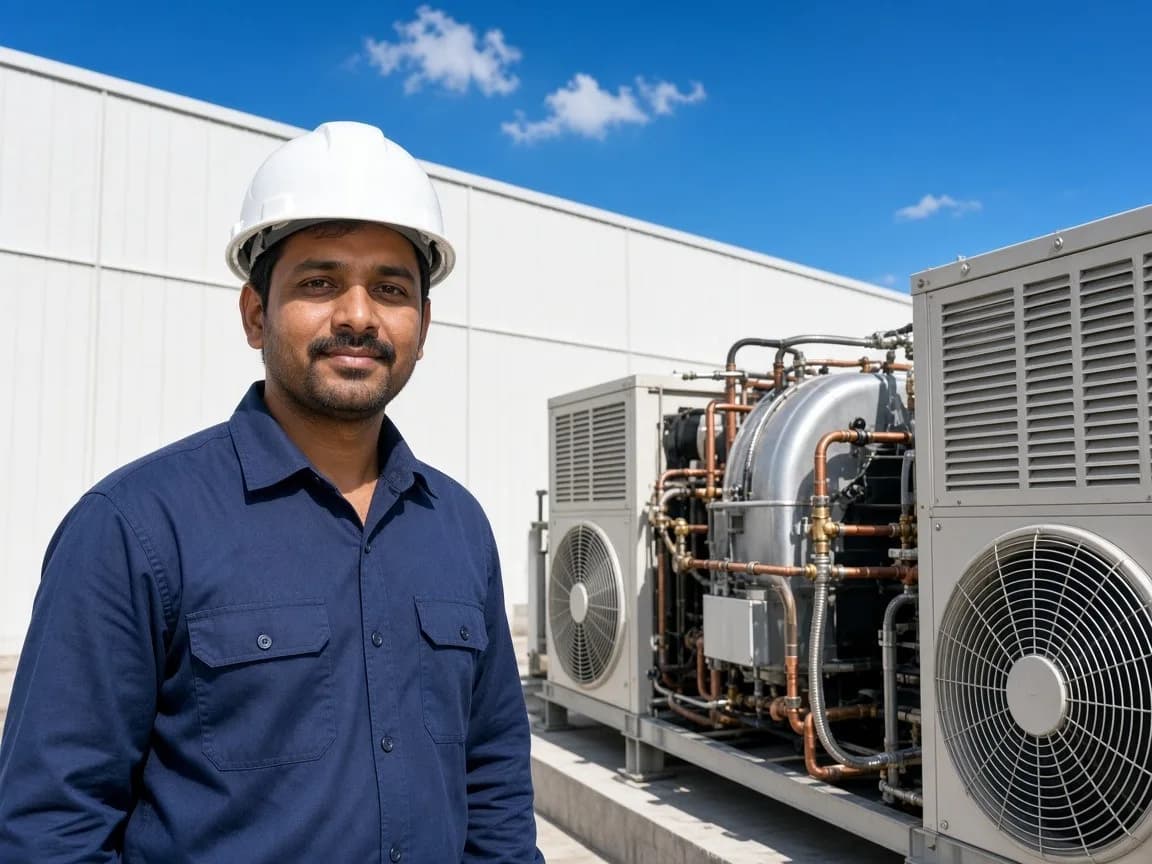
06
The condensing unit and compressor provide the refrigeration duty required by the room. Chilled seafood and frozen seafood can place different demands on the equipment.
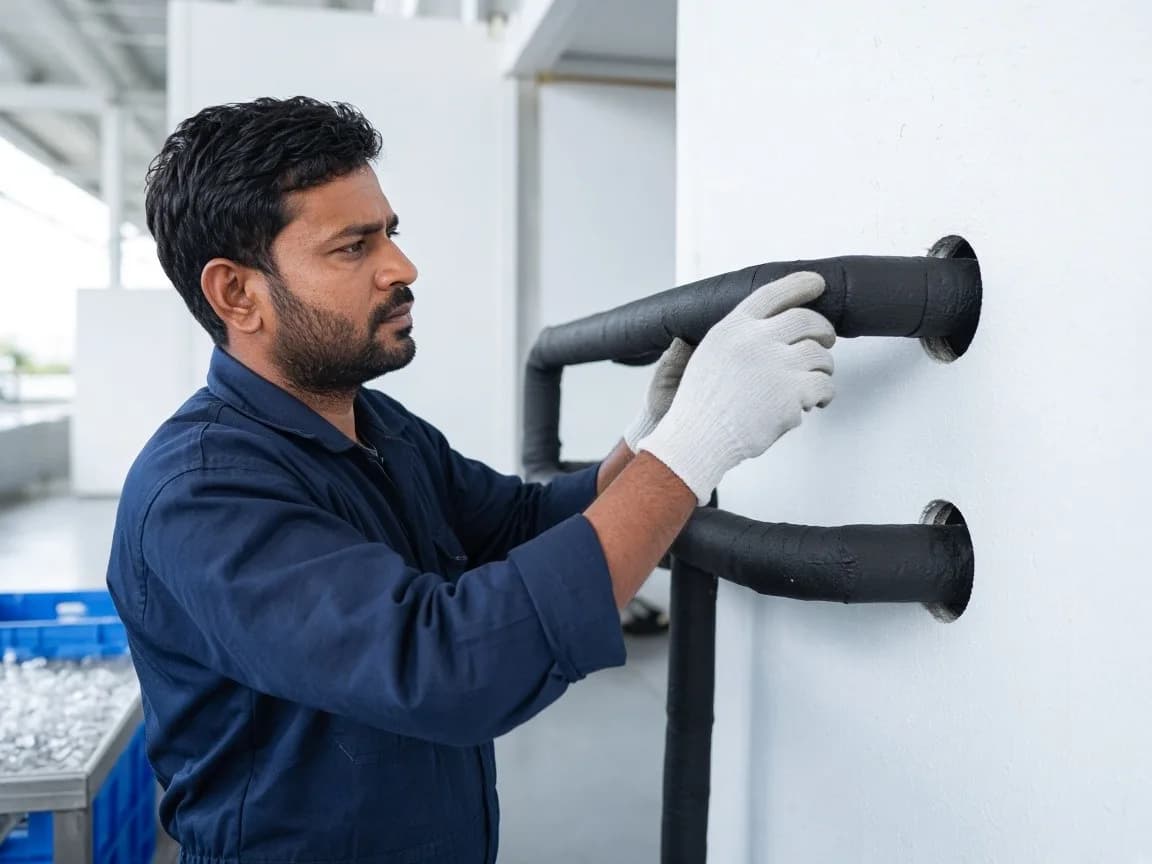
07
Correct piping supports refrigerant circulation between the system components. Pipe sizing, routing and insulation should follow the approved refrigeration design.
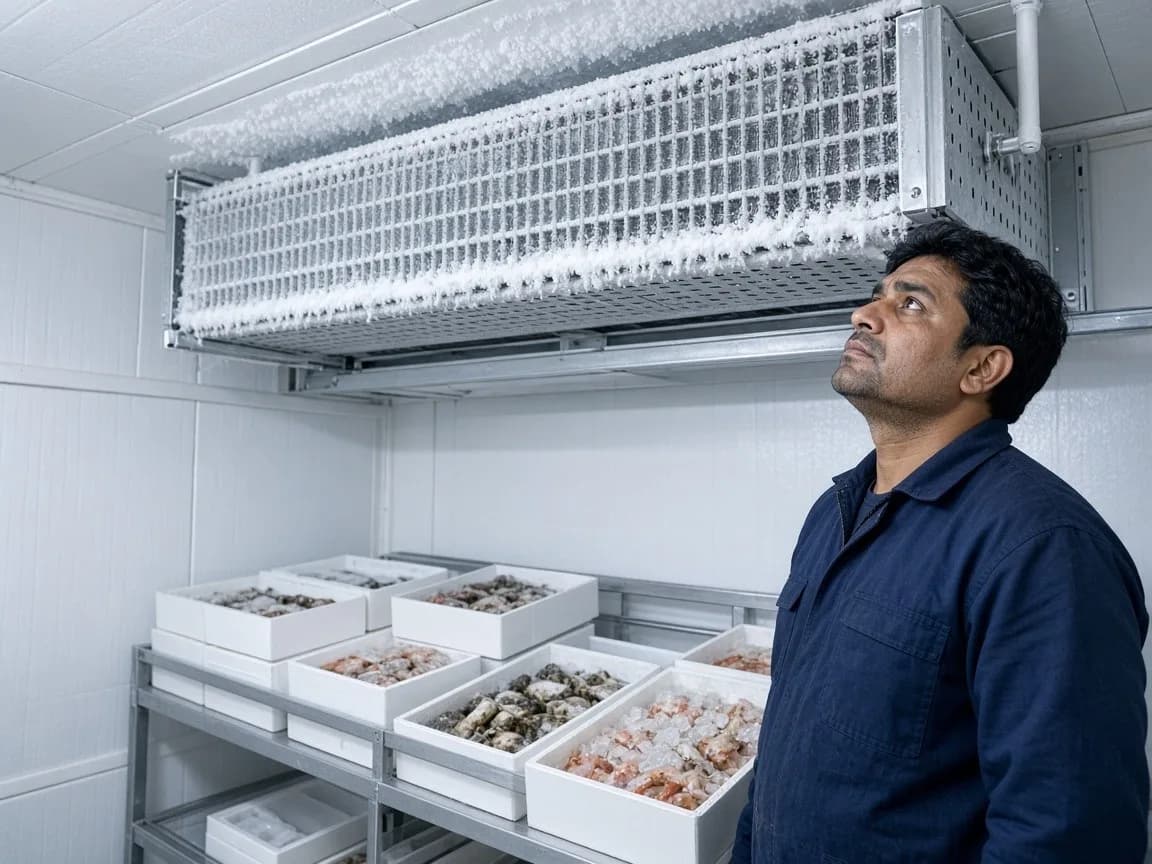
08
Moisture entering freezer rooms can freeze on evaporator coils. A suitable defrost strategy helps restore airflow and heat transfer when frost develops.
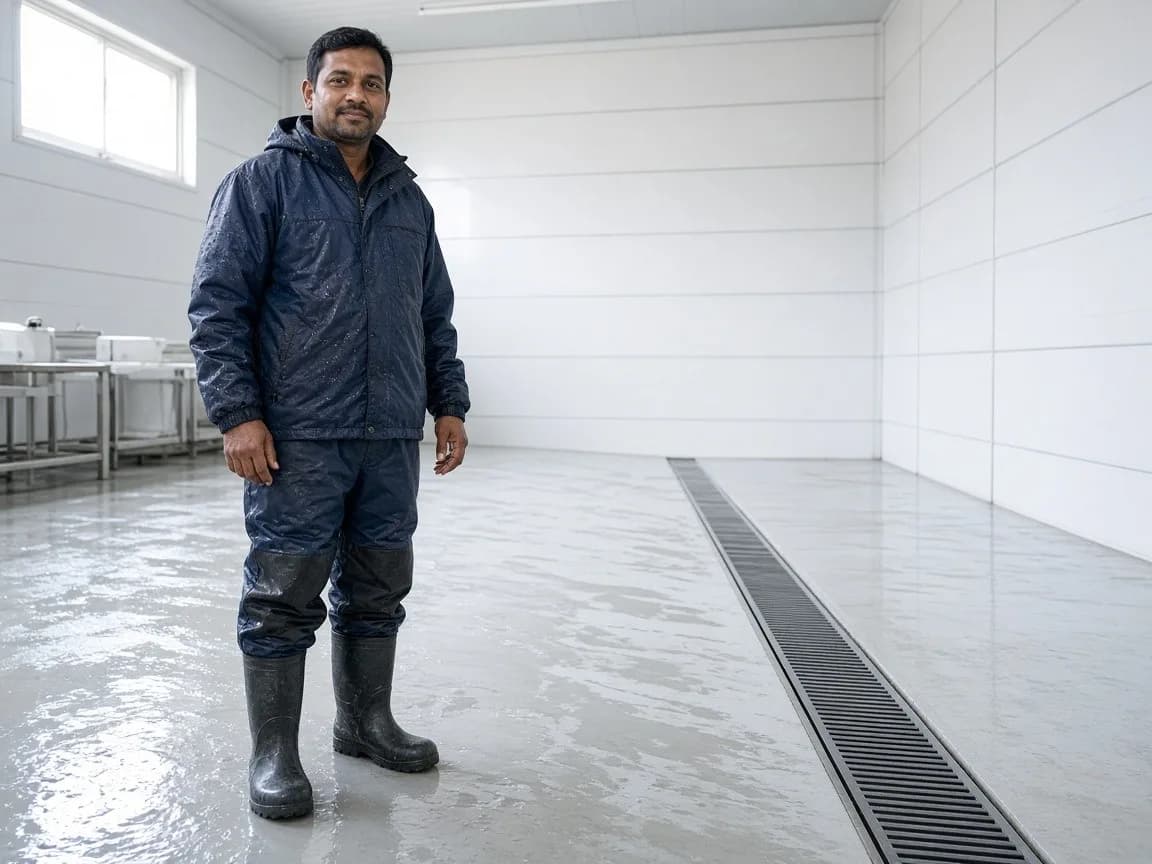
09
Seafood facilities can involve wet handling conditions. Floor and drainage planning should support cleaning, product movement and the operating requirements of the refrigerated area.
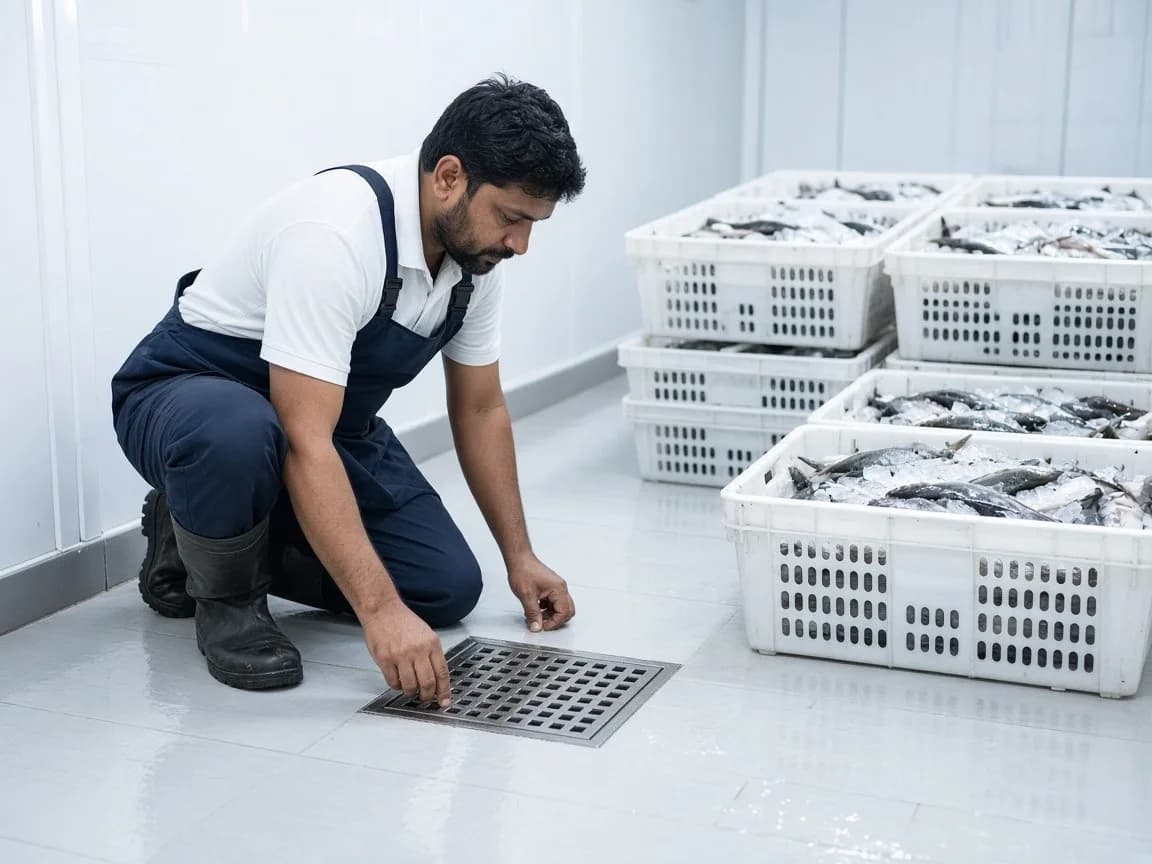
10
Water from cleaning or defrost must leave the area without creating operational problems. Heated drains may be required where low temperature conditions create a freezing risk.
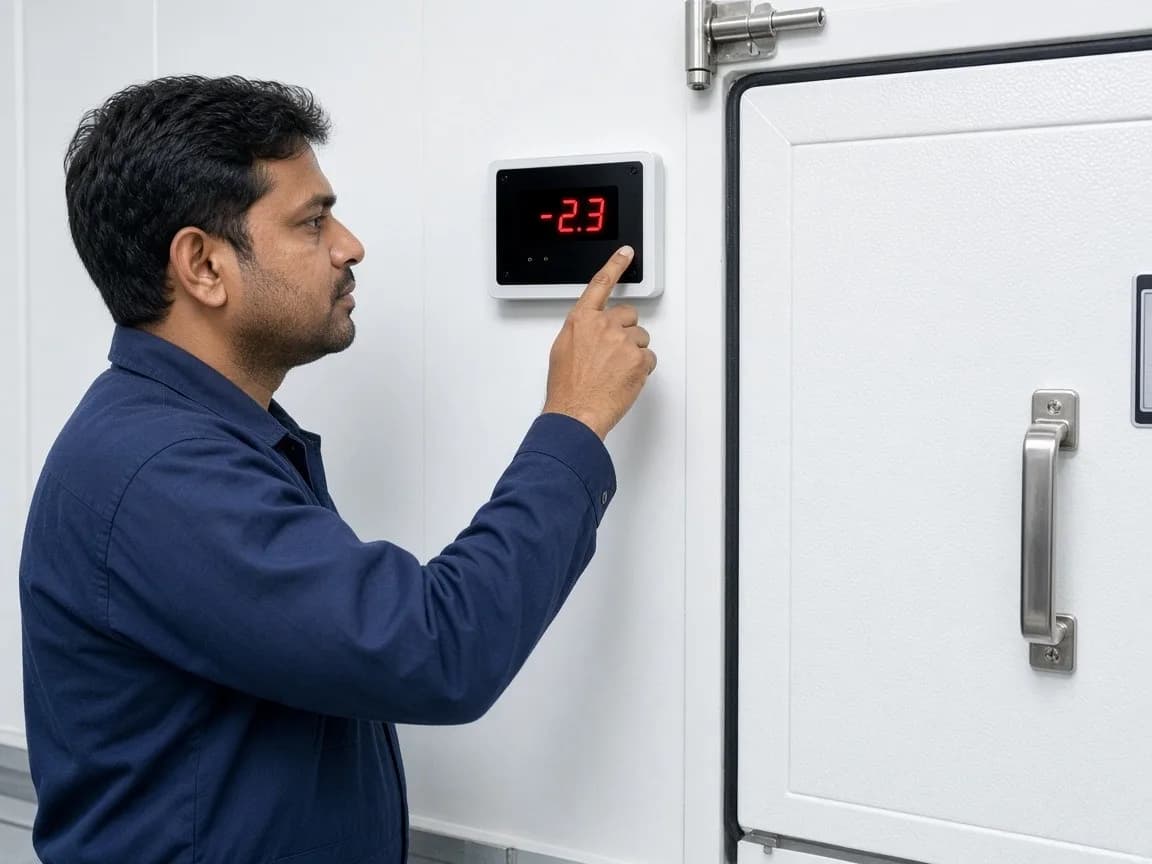
11
Controls help the refrigeration system maintain the selected room condition. Sensors and alarms provide operators with visibility when configured operating limits are crossed.
Airflow Through the Stored Load
A room sensor can indicate the required condition while seafood behind a restricted airflow path experiences something different. Cold room planning must therefore consider how conditioned air moves around boxes, cartons, crates, racks and pallets.
Suitable spacing creates paths for conditioned air around stored products. Pallets pushed tightly together or against walls can restrict circulation.
The evaporator should be positioned with room shape, racking and expected product load in mind. Poor placement can leave some areas with limited airflow.
Conditioned air needs a clear route from the evaporator across the room and back toward the return side. Both directions matter during storage planning.
Tall stacks, dense cartons and poorly placed racks can interrupt circulation. Layout planning should identify these risks before normal operation begins.
The way products enter, leave and occupy the room changes available airflow paths. Refrigeration planning should consider the normal loaded condition.
Areas behind dense storage, close to doors or in corners can behave differently from open areas. These locations should be considered when planning sensors and airflow.
Rack height, orientation and depth influence conditioned air movement. Storage design should therefore be coordinated with refrigeration planning.
Door openings affect conditions near receiving and picking areas. The room layout should support quick movement while limiting unnecessary open time.
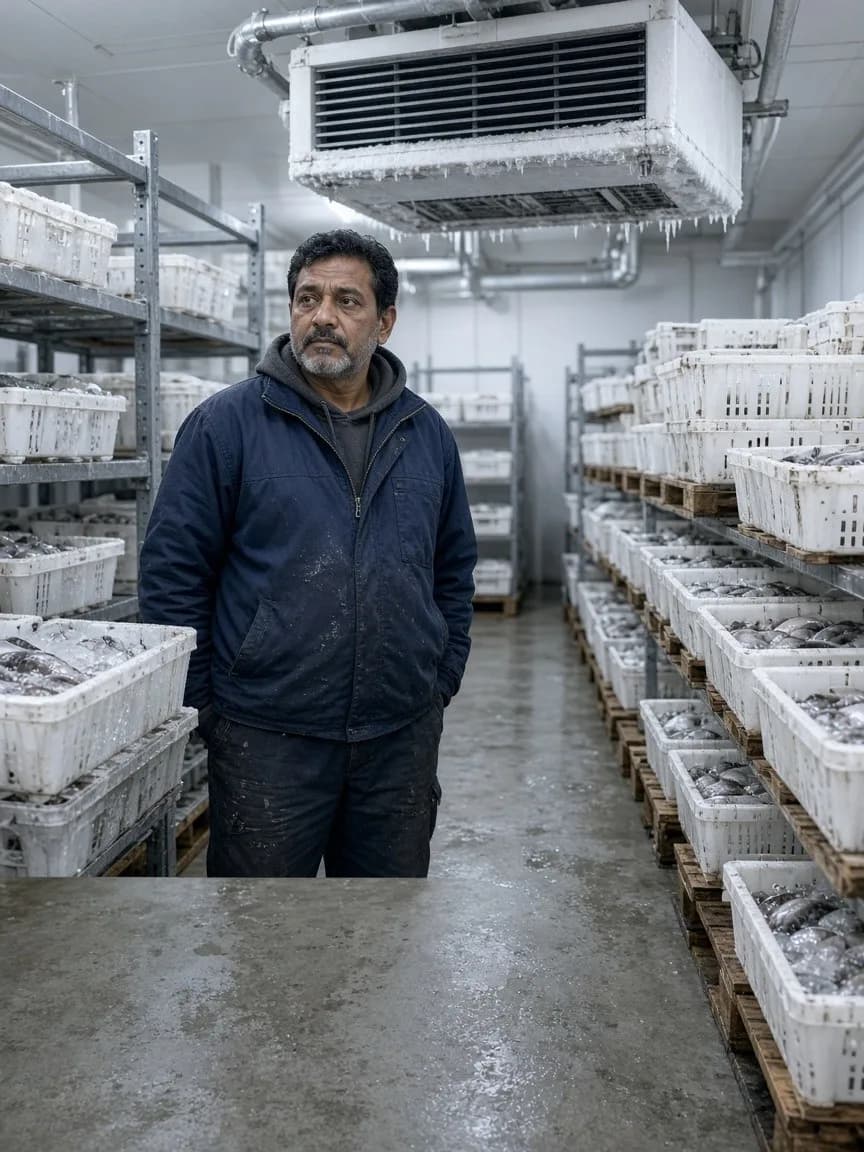
Built for Local Operating Reality
Seafood cold rooms in India may operate through high outdoor temperatures, humid environments, frequent product movement and long processing schedules. Refrigeration design should consider both the required product condition and the surrounding facility environment.

Outdoor and plant side conditions
The refrigeration system must reject the heat removed from the cold room while operating under the ambient conditions expected at the project location.
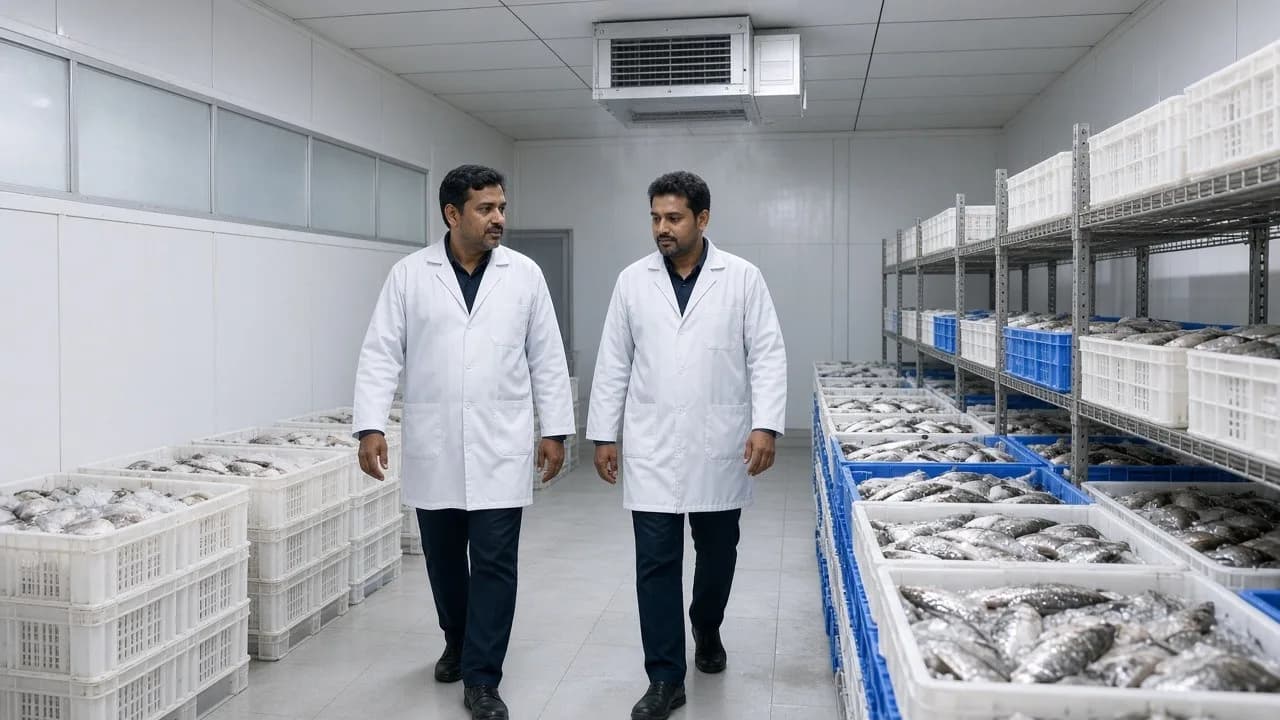
Seafood storage conditions
Inside the room, insulation, refrigeration equipment, airflow and controls work together to maintain the selected product environment.
Any temperature or door animation shown on the page is only a visual representation and does not indicate a measured recovery time.
High outdoor temperatures can increase the refrigeration duty. Equipment selection should consider the conditions expected at the installation site.
Seafood processing and export facilities may open cold room doors repeatedly during receiving, picking and dispatch. Door size and traffic flow should reflect this activity.
Processing and storage facilities can require refrigeration for extended periods. Components should be selected for the calculated duty and expected operating schedule.
Existing columns, loading bays, processing spaces, racks and service areas can influence room design. Engineering should fit the refrigeration system into the actual facility.
Ambient conditions vary across seasons and regions in India. Refrigeration planning should consider relevant project conditions rather than only moderate weather.
Seafood distribution can involve concentrated periods of order picking and loading. Ante rooms and practical traffic routes can help reduce exposure to warmer surrounding air.
Seafood facilities may involve water from cleaning and processing activities. Equipment placement, floors and drainage should be planned around the actual operating environment.
Refrigeration equipment needs suitable installation and service access. Surrounding processing activity and maintenance requirements should be reviewed during system planning.
Plan Your Requirement
The planner helps identify which type of refrigerated space may suit your operation. It suggests a room category based on product and process requirements but does not calculate a project price.
01 / 06
Why Work With Uniref
Uniref designs, manufactures, supplies, installs and commissions custom cold rooms and refrigeration systems. Panel manufacturing is carried out in Bengaluru and Mumbai, engineering coordination is from Jaipur, and installation is available across India.
The room starts with the seafood requirement rather than a standard refrigeration package. Product condition, packaging, storage volume, access and workflow are considered during planning.
Fresh seafood storage and frozen holding perform different refrigeration duties. Uniref considers insulation, doors, evaporators, equipment, defrost and floor requirements according to the application.
A seafood cold room includes more than insulated panels. Uniref coordinates the enclosure, refrigeration equipment, piping, controls and installation as one complete solution.
The design process considers local ambient conditions, processing layouts and the way Indian fisheries and seafood businesses receive, process, store and dispatch products.
Seafood facilities may require chilled rooms, freezer rooms, blast freezers and transition areas within one operation. These spaces can be planned around the wider product flow.
Refrigeration systems require inspection, maintenance and technical attention throughout their operating life. Uniref provides after sales support according to the installed system and requirement.
The correct room depends on whether the seafood is fresh, chilled, processed or frozen. A facility may need chilled rooms, freezer rooms or blast freezing. The final specification should follow the actual product and process requirement.
Discuss Your Seafood Refrigeration Project
Share your seafood type, required storage condition, expected capacity, incoming product condition and project location with Uniref. Our team can review the requirement and recommend a suitable chilled room, freezer room, blast freezer or multi chamber refrigeration configuration.
Discuss Your Seafood Refrigeration Project
Share your seafood type, required storage condition, expected capacity, incoming product condition and project location with Uniref. Our team can review the requirement and recommend a suitable chilled room, freezer room, blast freezer or multi chamber refrigeration configuration.


