
Temperature
Cold Room Temperature Guide for Food, Pharma, Dairy, Meat and Frozen Products
- Summary
Learn the right cold room temperature for food, pharma, dairy, meat, seafood, fruits, vegetables and frozen products, plus key storage factors.
Talk to an engineerKey Takeaways
- There is no single cold room temperature. The setting follows the product.
- Many chilled rooms sit around 0°C to 8°C. Frozen food is commonly stored around −18°C or below.
- Pharmaceutical storage is often 2°C to 8°C, and that range is not the same job as a food chiller.
- Fruits, vegetables, and flowers also need the right humidity and airflow. Temperature alone is not enough.
- A colder setpoint is not automatically better. It can raise energy use and damage products that should not freeze.
The right cold room temperature depends on what you are storing.
Fresh vegetables, dairy products, frozen food, meat, medicines, flowers, and seafood do not all need the same storage environment. Each product has its own temperature range, humidity needs, airflow requirements, and storage limits.
Using the wrong temperature can shorten shelf life, affect product quality, increase energy use, or create safety problems.
This is why a cold room should be designed around the product rather than using one standard setting for every application.
This guide explains common cold room temperature ranges for food, pharmaceutical, dairy, meat, seafood, frozen products, fruits, vegetables, and other commercial applications.
What Is the Ideal Cold Room Temperature?
There is no single ideal temperature for every cold room.
A typical chilled cold room may operate between about 0°C and 8°C, while freezer rooms generally operate well below 0°C. The exact temperature depends on the product.
For example, a pharmaceutical cold room may require controlled storage between 2°C and 8°C, while frozen food is commonly stored around minus 18°C or below. Fresh produce can require positive temperatures along with carefully managed humidity and airflow.
So the correct cold room temperature should always be selected after understanding the product and its storage requirements.
Cold Room Temperature by Application
The table below gives a practical overview.
| Application | Typical Storage Temperature |
|---|---|
| Pharmaceutical products | 2°C to 8°C |
| Fresh dairy products | 2°C to 5°C |
| Fruits | 0°C to 12°C depending on product |
| Vegetables | 0°C to 12°C depending on product |
| Chilled meat | 0°C to 4°C |
| Chilled poultry | 0°C to 4°C |
| Fresh seafood | Around 0°C to 4°C |
| Frozen food | Around minus 18°C or below |
| Ice cream | Around minus 18°C to minus 25°C |
| Frozen meat | Around minus 18°C or below |
| Frozen seafood | Around minus 18°C or below |
| Flowers | Varies widely by flower type |
These ranges are general references. Actual storage conditions should always be based on the specific product, packaging, expected storage duration, and applicable industry requirements.
Cold Room Temperature for Food Storage
Food storage is one of the most common applications for commercial cold rooms. The correct temperature depends on whether the food is fresh, chilled, or frozen.
Chilled foods generally need a positive temperature range that slows microbial growth without freezing the product. Frozen food requires much lower temperatures so the product remains fully frozen during storage.
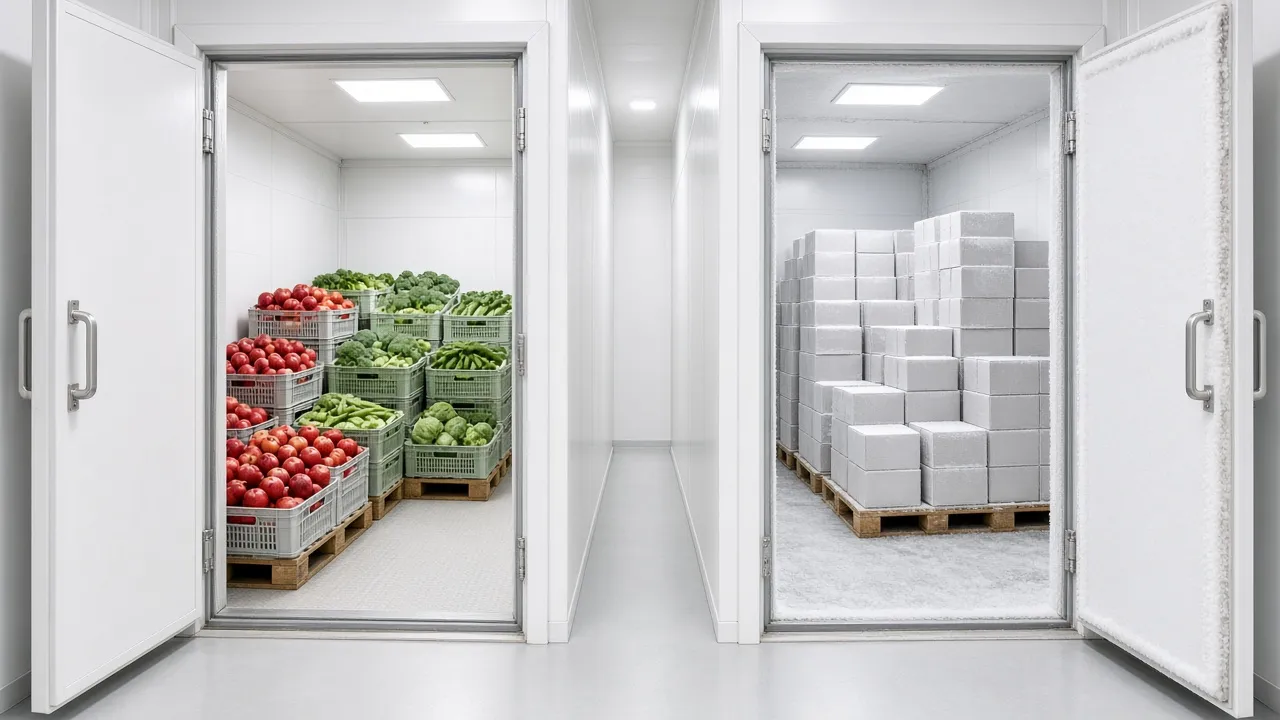
A food business may therefore need multiple rooms rather than one large room operating at a single temperature. For example, a food processing plant might use a chiller room for raw ingredients, a blast freezer for rapid freezing, and a freezer room for long term storage.
Cold Room Temperature for Fruits
Fruit storage can be more complicated than many businesses expect. Different fruits respond differently to cold temperatures.
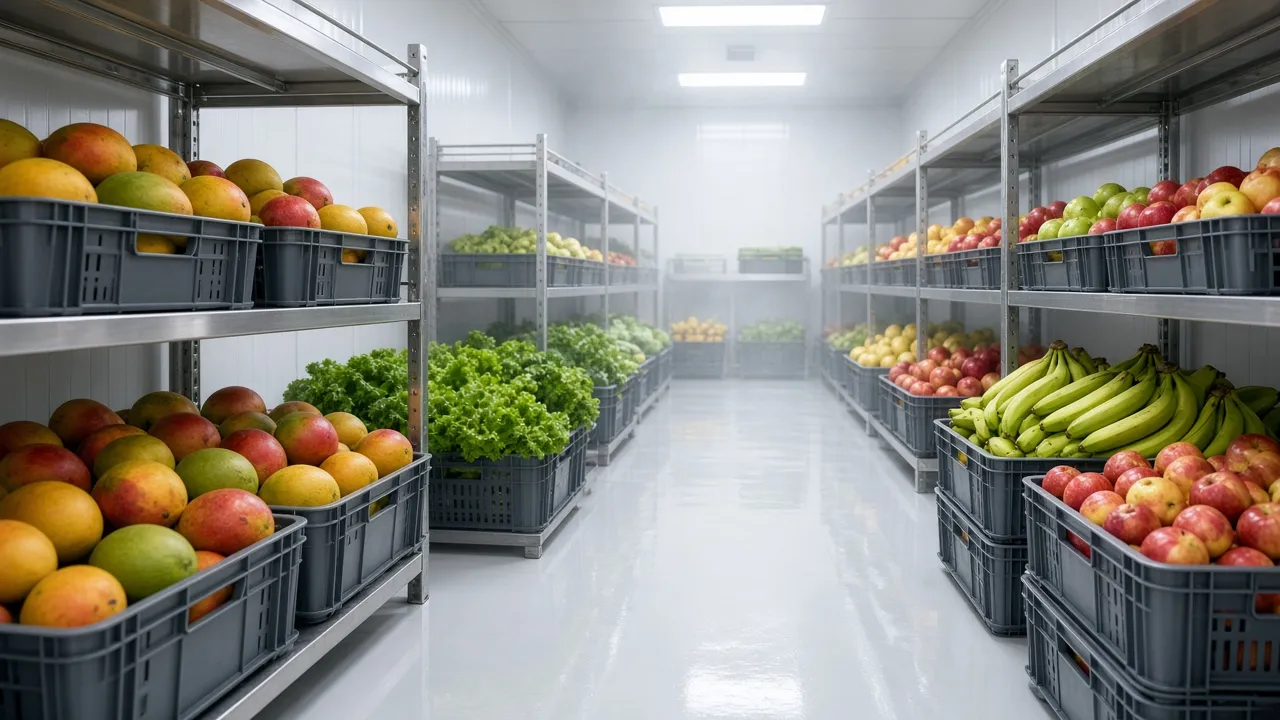
Apples can tolerate much colder storage conditions than tropical fruits such as bananas or mangoes. Some fruits can develop chilling injury if stored too cold. This means a fruit cold room should be designed around the exact commodity.
Important factors include temperature, humidity, ventilation, ripening stage, airflow, and storage duration. A fruit cold room manufacturer should therefore ask what type of fruit will be stored before recommending a temperature setting.
Cold Room Temperature for Vegetables
Vegetables also have different temperature requirements. Leafy vegetables often benefit from colder storage and high humidity, while some vegetables may require slightly warmer conditions.
The aim is to slow respiration and moisture loss while avoiding freezing or chilling damage. Humidity is especially important. A cold room may maintain the correct air temperature but still produce poor storage results if humidity is too low.
This is why vegetable storage should consider both temperature and relative humidity.
Cold Room Temperature for Dairy Products
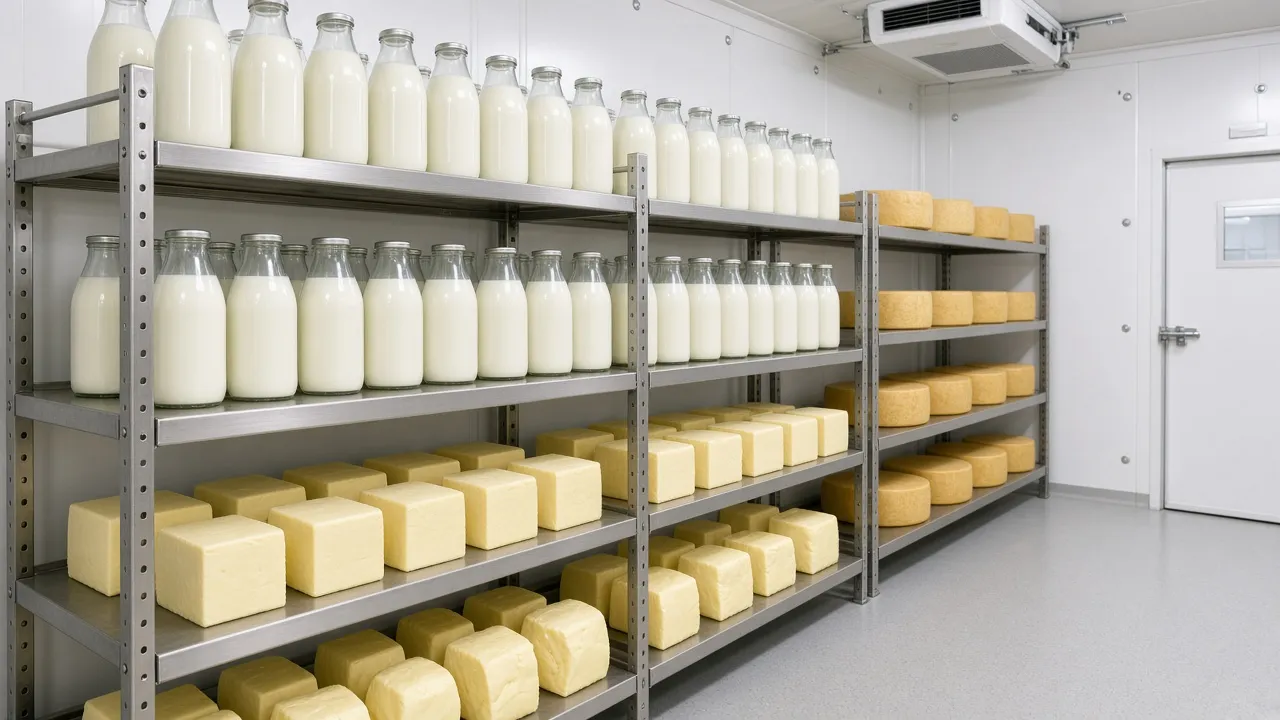
Dairy products usually need consistent chilled storage. Milk, yogurt, butter, cheese, cream, and other dairy items can have different ideal conditions depending on the product and processing stage.
Many fresh dairy products are commonly kept in the range of around 2°C to 5°C. Ice cream requires much colder storage. Because dairy businesses may handle both chilled and frozen products, multi temperature cold rooms can be useful for larger facilities.
Temperature fluctuations should also be minimized because repeated warming and cooling can affect product quality.
Cold Room Temperature for Milk
Milk requires consistent refrigeration from processing through storage and distribution. For many chilled milk applications, temperatures of around 2°C to 4°C are commonly used.
The refrigeration system should be capable of maintaining this temperature even during loading and unloading. Door usage matters because frequent openings allow warm air into the room.
For large dairy operations, room design should consider daily product movement, incoming milk temperature, storage time, and dispatch cycles.
Cold Room Temperature for Ice Cream
Ice cream needs low temperature storage to maintain texture and product quality. Ice cream storage is commonly maintained around minus 18°C or colder. Some operations may use lower temperatures depending on product type and storage strategy.
Temperature fluctuations can be particularly damaging to ice cream because partial softening and refreezing can affect texture. The freezer room should therefore maintain consistent low temperatures and recover quickly after door openings.
Cold Room Temperature for Meat
Fresh meat generally requires chilled storage. Temperatures around 0°C to 4°C are commonly used for chilled meat, depending on product and storage conditions. Frozen meat requires significantly lower temperatures. For frozen storage, temperatures around minus 18°C or below are widely used.
Meat processing facilities may require several temperature zones. These can include processing rooms, chillers, blast freezers, holding rooms, and frozen storage. The correct design depends on how the meat moves through the facility.
Cold Room Temperature for Poultry
Poultry storage requirements are similar to meat in many respects. Fresh poultry commonly requires chilled storage, while frozen poultry needs low temperature freezer storage.
Cold room design should also consider hygiene, drainage, frequent movement, product loading, and cleaning requirements. If poultry is entering the room at a higher temperature, the refrigeration system must remove that heat as well as maintain the room temperature.
This is why refrigeration equipment should be selected according to product load, not only room volume.
Cold Room Temperature for Seafood
Seafood is highly temperature sensitive. Fresh fish and seafood are generally stored close to 0°C where practical. Frozen seafood is usually kept around minus 18°C or lower.
Rapid freezing may also be important for some seafood applications. A seafood processing facility may therefore require chillers, blast freezers, and frozen storage rooms within the same operation.
Good airflow and rapid temperature recovery can be particularly important in facilities with frequent loading and unloading.
Cold Room Temperature for Frozen Food
Frozen food cold rooms generally operate around minus 18°C or below. This includes products such as frozen vegetables, ready meals, snacks, frozen meat products, frozen seafood, and many packaged foods. The exact set point may vary depending on the product and business requirements.
A frozen food room must also be designed for low temperature operation. Important factors can include insulation thickness, door design, floor insulation, defrost, refrigeration capacity, drainage, and controls.
A freezer room is therefore different from a normal chiller with a lower thermostat setting.
Cold Room Temperature for Pharmaceutical Products
Pharmaceutical cold rooms often require tighter temperature control than standard food storage. A common controlled range is 2°C to 8°C for products that require refrigerated pharmaceutical storage.
However, not every medicine uses this range. Some pharmaceutical products may need controlled room temperature storage, frozen storage, or other specialized conditions.
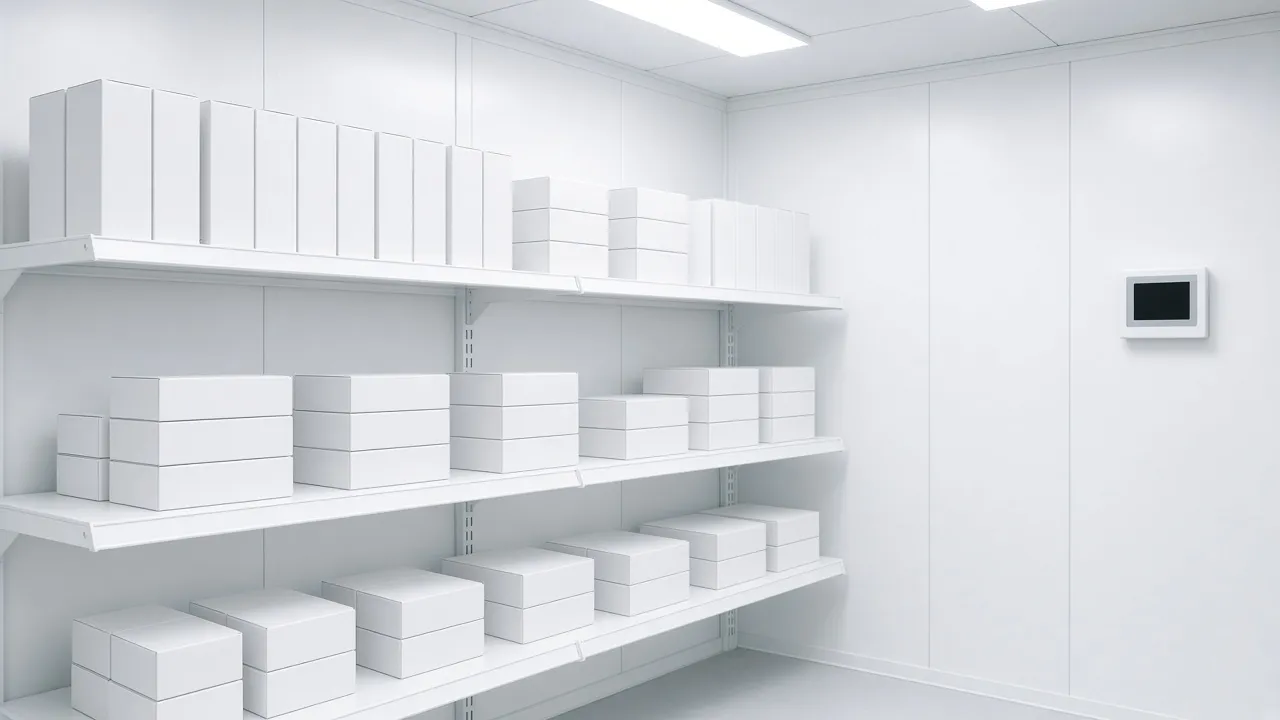
The cold room design can include multiple sensors, alarms, monitoring, data logging, and backup considerations depending on the application. Pharmaceutical storage should always follow the specific product requirements and applicable compliance standards.
Cold Room Temperature for Vaccines
Many vaccines are stored in a controlled range of 2°C to 8°C, although requirements can vary by vaccine. Temperature excursions can affect product integrity.
For this reason, vaccine storage systems may require accurate monitoring, alarms, recording, and clear operating procedures. The system should also be designed around door opening frequency and backup requirements.
A pharmaceutical cold room should not be treated as a standard food chiller simply because the temperature range appears similar.
Cold Room Temperature for Flowers
Flowers and horticultural products can be sensitive to both temperature and humidity. Different flowers have different requirements. Some benefit from temperatures close to 0°C, while tropical flowers may require warmer conditions.
Humidity is also important because low humidity can cause moisture loss and wilting. Ventilation may be required for some products because plant material continues to respire after harvesting.
For this reason, flower cold rooms should be designed around the exact crop rather than a standard temperature setting.
Chiller Room Temperature
A chiller room generally operates above freezing. The operating temperature can vary widely depending on the product. A chiller room designed for beverages may not have the same humidity or airflow requirements as one designed for fresh vegetables.
- Fresh food
- Dairy
- Beverages
- Pharmaceutical products
- Vegetables
- Meat
- Hospitality
Freezer Room Temperature
Freezer rooms operate below freezing and are commonly used for frozen foods, ice cream, meat, poultry, seafood, and other products requiring long term frozen storage.
Minus 18°C is a widely used frozen storage reference point. Some products or processes may require colder conditions.
Freezer rooms usually require stronger insulation and more refrigeration capacity than chiller rooms. They may also require special consideration for flooring, doors, drainage, defrost, and condensation control.
Blast Freezer Temperature
A blast freezer is designed to remove heat from products quickly. It is different from a standard storage freezer. The room air temperature during blast freezing can be much lower than the final storage temperature.
The exact blast freezing temperature and cycle depend on the product, product size, packaging, loading, and required freezing time. Once the product is fully frozen, it is usually transferred to a standard freezer room for storage.
Why Temperature Alone Is Not Enough
Maintaining the correct temperature is important, but it is only one part of cold room performance. Other conditions can also influence product quality.
Humidity
Fresh produce can lose moisture if humidity is too low. High humidity can also create condensation or spoilage problems in some applications.
Airflow
Cold air needs to reach products evenly. Poor stacking or blocked evaporator airflow can create warm areas inside the room.
Door Openings
Every door opening introduces warm air and moisture. High traffic cold rooms may need different door systems or operating strategies.
Product Loading
Large quantities of warm product can temporarily increase the refrigeration load.
Storage Arrangement
Pallet spacing and rack design can affect airflow and temperature uniformity.
A good cold room design considers all of these factors together.
How Temperature Affects Refrigeration Equipment
Lower cold room temperatures usually require more demanding refrigeration systems. As the required room temperature decreases, the refrigeration equipment must work across a greater temperature difference.
This can influence compressor selection, evaporator design, condenser capacity, defrost requirements, insulation, and overall energy use.
This is why equipment selection should be based on proper load calculations rather than using the same refrigeration package for every room.
What Happens If the Cold Room Temperature Is Too High?
If the room is too warm, products may lose quality more quickly. Possible problems include faster spoilage, shorter shelf life, texture changes, microbial growth, or pharmaceutical temperature excursions.
Frozen products may soften if the temperature rises too much. The refrigeration system should therefore maintain the required temperature even during normal operational activity.
What Happens If the Temperature Is Too Low?
Colder is not always better. Running a cold room below the required temperature can increase electricity consumption. Some fruits and vegetables can also suffer chilling injury when stored below their appropriate range. Products that should remain chilled may accidentally freeze.
The correct temperature should therefore be based on product requirements rather than simply setting the controller as low as possible.
Why Temperature Fluctuation Matters
A cold room might reach the correct temperature on average while still experiencing frequent fluctuations. This can happen because of door openings, poor equipment sizing, incorrect sensor placement, excessive loading, weak insulation, or control problems.
Stable temperature is often more important than simply achieving the set point once. Temperature monitoring can help identify these patterns.
Where Should a Cold Room Temperature Sensor Be Installed?
Sensor placement affects the accuracy of temperature control. A sensor should not be placed where it is directly influenced by the evaporator discharge air, door opening, or unusual heat sources. The best location depends on room design and airflow.
Larger rooms may require multiple sensors or monitoring points. For critical applications such as pharmaceutical storage, temperature mapping can be used to understand temperature variation throughout the room.
How to Choose the Right Temperature for Your Cold Room
Start with the product. Identify the recommended storage conditions for that specific product and packaging. Then consider how it enters and leaves the cold room. These answers help a cold room manufacturer design the correct refrigeration system.
- What temperature is the product when it arrives?
- How much product enters daily?
- How long will it be stored?
- How frequently will the doors open?
- What humidity is required?
- How will products be stacked?
- What is the local ambient temperature?
Cold Room Temperature and Energy Consumption
Temperature has a direct impact on energy use. A freezer operating at minus 25°C generally requires more energy than a chiller operating at 4°C. Setting the room colder than necessary can therefore increase operating costs without adding value.
Energy efficiency also depends on insulation, doors, refrigeration equipment, controls, loading patterns, and maintenance. The best approach is to maintain the temperature the product actually requires.
Cold Room Temperature Monitoring
Modern cold rooms can use digital controllers and monitoring systems to track operating conditions. Depending on the application, monitoring can include temperature, humidity, equipment status, alarms, and historical data.
Alerts can help operators respond when temperatures move outside acceptable limits. For sensitive storage applications, monitoring and data logging may be just as important as the refrigeration equipment itself.
Choosing a Cold Room Manufacturer for Different Temperature Applications
The right cold room manufacturer should understand more than room dimensions. These details help determine the correct insulation, refrigeration equipment, airflow, controls, and room design.
A frozen food room, pharmaceutical cold room, vegetable store, and dairy chiller should not all be designed the same way.
- Product
- Required temperature
- Humidity
- Storage capacity
- Daily loading
- Incoming product temperature
- Operating hours
- Project location
- Door openings
- Storage duration
Final Thoughts
The correct cold room temperature depends entirely on the product and operating conditions.
Pharmaceutical and many chilled applications commonly use temperatures around 2°C to 8°C. Fresh meat, poultry, seafood, dairy products, fruits, and vegetables can require different positive temperature ranges. Frozen food is commonly stored around minus 18°C or below.
But temperature is only part of the design. Humidity, airflow, insulation, product loading, door usage, storage layout, refrigeration capacity, and monitoring all influence cold room performance.
Before installing a cold room, identify what will be stored, the required temperature, the quantity of product, daily loading, and project location. A professional cold room manufacturer can then design the system around the real operating requirement instead of using a standard room configuration.
Frequently Asked Questions
What is the standard cold room temperature?
There is no single standard temperature. Cold rooms can operate above or below freezing depending on the product being stored.
What temperature should a food cold room maintain?
Chilled food commonly uses temperatures between about 0°C and 8°C, while frozen food is generally stored around minus 18°C or below.
What temperature is used for pharmaceutical cold rooms?
Many refrigerated pharmaceutical products use a controlled range of 2°C to 8°C, but the exact requirement depends on the product.
What is the ideal temperature for a freezer room?
Many commercial freezer rooms operate around minus 18°C or below, depending on the products stored.
What temperature is suitable for fruits and vegetables?
It varies significantly by commodity. Some products can be stored close to 0°C, while tropical produce often needs warmer conditions.
Why does cold room temperature fluctuate?
Common causes include frequent door openings, heavy product loading, poor airflow, incorrect equipment sizing, insulation problems, or control issues.
Is lower temperature always better for cold storage?
No. Excessively low temperatures can increase energy use and may damage products that are sensitive to chilling or freezing.
Can one cold room store products with different temperature needs?
Sometimes, but products with significantly different requirements are usually better stored in separate chambers or a multi temperature cold room.


