
Pricing
Cold Room Cost in India: Complete Price Guide for 2026
- Summary
Discover cold room cost in India for 2026, including chiller, freezer, walk in and industrial cold room prices plus the key factors that affect project cost.
Talk to an engineerKey Takeaways
- There is no single cold room price. Size, temperature, insulation, refrigeration equipment, product load, installation, and location all change the cost.
- 2026 market guides place small walk-in chillers around ₹3.5 lakh to ₹6 lakh, and medium freezer rooms around ₹8 lakh to ₹18 lakh.
- A freezer room generally costs more than a chiller of a similar size because it needs thicker insulation and lower-temperature refrigeration.
- Published ranges are planning estimates. An accurate price needs the product, capacity, temperature, location, and daily loading.
- Compare what a quotation includes, including installation, electrical work, flooring, commissioning, and GST, not only the final number.
The cold room cost in India can start from a few lakh rupees for a small walk in chiller and rise significantly for large freezer rooms, multi chamber cold storage facilities, pharmaceutical rooms, or blast freezing projects.
There is no single fixed price because every cold room is designed around a different requirement. Room size, storage temperature, insulation thickness, refrigeration equipment, product load, installation conditions, and project location can all change the final cost.
As a broad reference, current 2026 market guides place small walk in chillers in the range of roughly ₹3.5 lakh to ₹6 lakh, while medium freezer rooms can cost around ₹8 lakh to ₹18 lakh. Larger multi chamber projects can move well beyond ₹20 lakh depending on specifications.
This guide explains what affects cold room pricing, where your budget goes, how chiller and freezer costs differ, and what Indian businesses should check before approving a quotation.
How Much Does a Cold Room Cost in India?
Cold room prices vary widely because the same room size can require completely different refrigeration systems depending on temperature and application.
For example, a room used to store vegetables at a positive temperature will usually cost less than a freezer room of the same size operating around minus 18 degrees Celsius.
A 2026 cold room pricing guide from HyperCold estimates a walk in chiller of around 10 to 20 cubic metres at approximately ₹3.5 lakh to ₹5 lakh. The same source estimates a 50 cubic metre small cold room at approximately ₹8 lakh to ₹12 lakh.
For smaller walk in rooms, another current Indian pricing reference lists approximately ₹2.6 lakh to ₹2.9 lakh plus GST for an 8 by 8 by 8 foot chiller, while a similarly sized freezer configuration can reach approximately ₹4.6 lakh to ₹4.9 lakh plus GST because of thicker insulation and lower temperature refrigeration requirements.
These prices should be treated as planning estimates, not final quotations. A professional cold room manufacturer normally needs to know the product, capacity, temperature, location, and daily loading before giving an accurate price.
Indicative Cold Room Price in India in 2026
The table below gives a simple market reference.
| Cold Room Type | Indicative 2026 Cost |
|---|---|
| Small walk in chiller | ₹3.5 lakh to ₹6 lakh |
| Small walk in freezer | ₹4.5 lakh to ₹8 lakh |
| Medium freezer room | ₹8 lakh to ₹18 lakh |
| 50 cubic metre cold room | ₹8 lakh to ₹12 lakh |
| Multi chamber cold room | ₹20 lakh and above |
| 5 MT blast freezer | ₹18 lakh to ₹28 lakh |
These ranges are based on publicly available 2026 Indian market guides and can vary considerably by equipment brand, refrigerant, panel thickness, flooring, electrical scope, transport, civil work, redundancy, and site conditions.
Why Cold Room Prices Vary So Much
Two businesses may ask for a 20 foot cold room and receive very different quotations. That does not necessarily mean one supplier is expensive. The difference may come from what the room is expected to do.
A cold room for dairy products may operate at a positive temperature. A frozen food room may operate at minus 18 degrees Celsius or below. A blast freezer may require a much lower room temperature and much higher refrigeration capacity.
The colder the required operating temperature, the more demanding the insulation and refrigeration system usually become. This is why comparing quotations only by room dimensions is risky.
Room Size and Storage Capacity
Room size has an obvious impact on cost, but floor area alone does not tell the full story. Height matters too.
A room that is 20 feet long, 15 feet wide, and 12 feet high has a very different refrigerated volume from one with the same floor area but an 8 foot ceiling.
The storage arrangement also matters. Pallet racking, crate storage, aisle space, evaporator clearance, and airflow all affect usable capacity. A professional manufacturer should therefore understand both the physical room dimensions and the quantity of product you want to store.
Required Temperature
Temperature is one of the biggest cost drivers. A chiller room operating around positive temperatures generally needs less insulation and refrigeration capacity than a deep freezer.
A freezer room operating around minus 18 degrees Celsius may require thicker panels, stronger refrigeration equipment, improved door sealing, proper defrost management, and additional floor insulation depending on the project.
Blast freezer applications can be more expensive again because the goal is not simply to maintain frozen storage temperature. The system must remove product heat quickly. Current Indian guides show that blast freezer projects can cost substantially more than standard cold rooms of similar physical size.
PUF Panel Thickness and Insulation
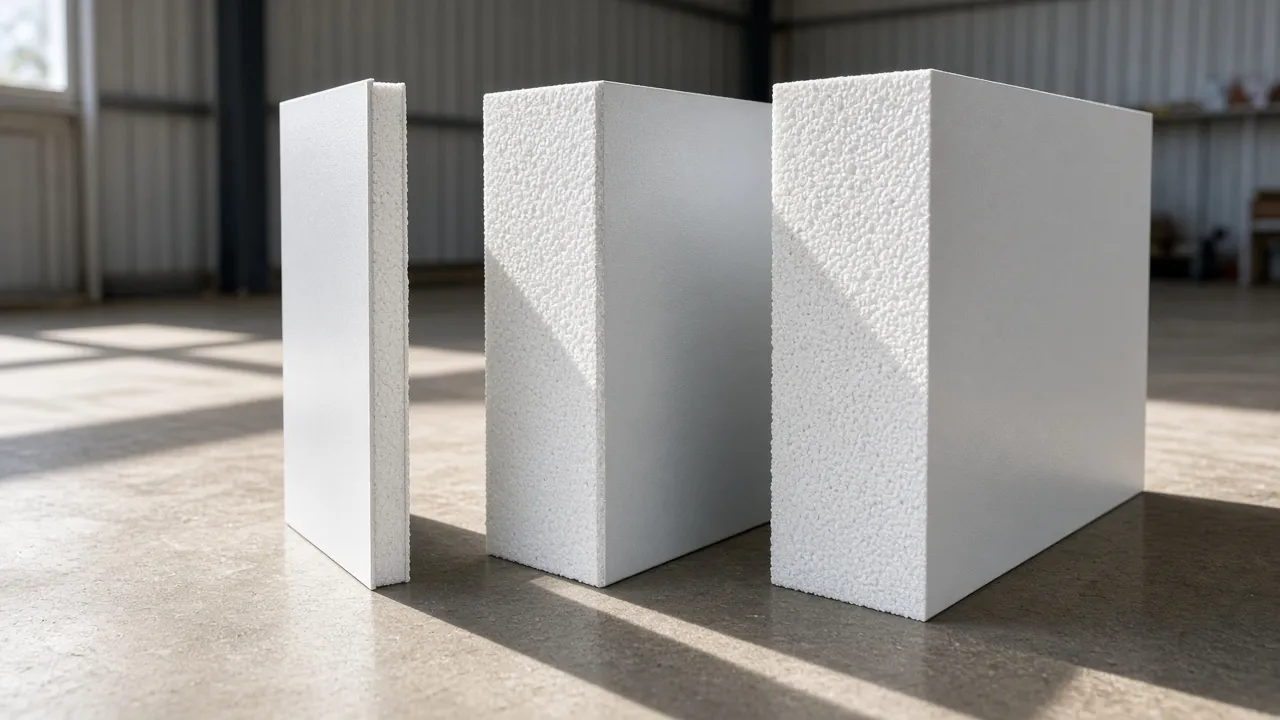
Insulated panels are a major part of cold room construction. The correct thickness depends largely on the required temperature.
Current 2026 panel pricing references show that thicker PUF panels cost more because they contain more insulation material and are designed for more demanding temperature conditions.
RINAC's current guide places indicative PUF panel pricing at around ₹200 to ₹260 per square foot for 80 mm panels, rising to around ₹230 to ₹300 for 100 mm panels and ₹300 to ₹380 for 150 mm panels. These are panel only reference rates and do not include all project costs.
Choosing thinner insulation purely to reduce the initial price can increase heat ingress and refrigeration load. The correct panel specification should come from the room temperature and operating conditions.
Refrigeration Equipment
Refrigeration equipment is usually one of the largest components of the total project cost. A complete system may include the compressor, condenser, evaporator, expansion device, controls, refrigerant piping, sensors, fans, and electrical components.
The equipment must be correctly matched. A larger compressor is not automatically better. Oversizing can create inefficient cycling, while undersizing may prevent the room from reaching or maintaining the required temperature.
For larger cold storage projects, current cost guides estimate refrigeration equipment can represent roughly 30 percent to 42 percent of overall capital expenditure. This is one area where cutting cost without understanding the consequences can become expensive later.
Cold Room Door Cost
Doors are another important cost factor. A basic hinged chiller door is different from a heavy duty sliding freezer door. Freezer applications may also need special sealing and heating provisions depending on operating conditions.
Door size, construction, hardware, safety release, frequency of use, and temperature all influence pricing. In busy facilities, door design can also affect operating cost because every opening allows warm air and moisture to enter.
Flooring Requirements
Flooring is often overlooked during early budgeting. Some positive temperature rooms may use the existing suitable floor structure, while freezer rooms can require dedicated insulation and vapor control.
The need for floor insulation depends on the operating temperature, existing civil structure, and project design. Skipping a required insulated floor may create energy loss, condensation, or frost related issues. This is why flooring should be clearly mentioned in the quotation rather than assumed.

Product Load Changes the Cost
One of the most important questions in cold room design is: what temperature is the product when it enters the room?
Imagine two identical cold rooms. The first receives products that are already chilled. The second receives warm products every day and must reduce their temperature quickly. The second room may need much more refrigeration capacity even though both rooms have the same dimensions.
Daily loading quantity also matters. A cold room receiving 500 kilograms of product per day has a different cooling requirement from one receiving several tonnes per day.
Chiller Room Cost vs Freezer Room Cost
Freezer rooms generally cost more than chiller rooms. The reason is not simply the thermostat setting.
Lower temperatures often require thicker insulation, more powerful refrigeration equipment, more careful door and floor design, stronger defrost management, and tighter control of moisture entering the room.
Current Indian pricing examples show this clearly. A small walk in chiller can be priced around ₹2.6 lakh to ₹2.9 lakh plus GST in one 2026 configurator example, while a freezer configuration in a similar size range can rise to approximately ₹4.6 lakh to ₹4.9 lakh plus GST.
How Much Does a Walk In Cold Room Cost?
Walk in cold rooms are commonly used by restaurants, food businesses, pharmacies, dairy operations, hotels, cloud kitchens, retailers, and smaller processing facilities.
A current Indian market reference estimates approximately ₹3.5 lakh to ₹5 lakh for a 5 ton walk in chiller and ₹5.5 lakh to ₹8 lakh for a 10 ton room operating around 0 to 5 degrees Celsius.
Again, these values are indicative. A walk in freezer will generally cost more than a chiller of similar capacity.
How Much Does a Larger Cold Storage Project Cost?
Large cold storage projects operate on a completely different scale. A 2026 Indian cost guide estimates a 50 MT cold storage project at roughly ₹12 lakh to ₹18 lakh in one configuration, while larger projects can reach ₹1.6 crore to ₹2.6 crore for around 1000 MT depending on specification and system type.
Other market estimates are higher because they include broader civil, structural, multi chamber, electrical, or advanced refrigeration scope. This is exactly why buyers should always check what is included before comparing prices.
Location Can Affect the Final Price
Cold room costs can vary across India. Transport distance, installation labour, site accessibility, ambient temperature, electrical infrastructure, and local civil requirements can all influence the final project price.
A refrigeration system in Rajasthan, for example, may need to be designed with very high summer ambient temperatures in mind. A coastal project may introduce different environmental considerations. Remote project locations can also increase transportation and installation costs.
The manufacturer should consider the actual project location during system selection.
Installation Cost
Installation is not simply assembling insulated panels. A complete installation may involve room marking, panel erection, door installation, refrigeration piping, equipment positioning, electrical work, drain installation, pressure testing, vacuuming, refrigerant charging, controller setup, pull down testing, and commissioning.
Ask whether installation is included in the quotation. Some suppliers quote equipment and panels separately while installation, freight, wiring, civil work, and commissioning are charged later. This can make an initially attractive quotation much more expensive by the end of the project.
Controls and Monitoring
Basic cold rooms may use standard digital temperature controllers. More advanced facilities may require data logging, remote monitoring, alarms, multiple sensors, equipment status monitoring, or integration with other systems.
Pharmaceutical and sensitive storage applications may require more advanced monitoring than standard food storage. These control requirements should be discussed at the design stage.
Electrical and Power Infrastructure
Large refrigeration systems can require significant electrical capacity. Your project may need new cabling, electrical panels, protection equipment, three phase connections, backup power, or changes to existing infrastructure.
These costs are not always included in a refrigeration supplier's quotation. Before approving a project, confirm who is responsible for the electrical scope.
How to Compare Cold Room Quotations
Do not compare only the final number. Instead, compare what you are actually receiving.
The most important items to compare are panel thickness and specification, refrigeration capacity, compressor and evaporator configuration, door type, flooring scope, controls, electrical work, installation, commissioning, warranty, and after sales support.
Two quotations that differ by 15 percent may actually represent very different systems. A lower price is only valuable if the room still meets your operating requirement.
Should You Choose the Cheapest Cold Room?
Usually, no. That does not mean the most expensive supplier is automatically the best either.
The better question is: which system gives the right balance of initial investment, temperature performance, energy use, serviceability, and expected operating life?
Cold rooms operate for long hours and often protect high value inventory. Saving money on insulation, equipment sizing, doors, or installation may increase electricity consumption or service costs later. A good manufacturer should explain why each major component has been selected.
Can Government Support Reduce Cold Room Cost?
Some cold chain projects in India may qualify for government support under applicable schemes, depending on project type, capacity, location, and eligibility.
The National Centre for Cold Chain Development's engineering guidelines include assistance structures for certain cold room and cold chain components, including different assistance percentages for general and specified special regions.
However, subsidy eligibility changes by scheme and project. Businesses should verify current requirements directly with the relevant authority or a qualified project consultant rather than assuming a project will automatically qualify.
How to Get an Accurate Cold Room Price
The most reliable quotation starts with complete project information. A manufacturer will normally need your product type, room dimensions, storage capacity, required temperature, incoming product temperature, daily loading, project location, operating hours, and preferred storage arrangement.
The more accurate this information is, the more useful the quotation becomes. A price based only on room dimensions should usually be treated as preliminary.
Cold Room Cost in India: Final Thoughts
The cold room cost in India depends on much more than room size. Temperature, insulation, refrigeration equipment, daily product load, flooring, doors, controls, installation, power infrastructure, and site conditions all influence the final investment.
For small walk in rooms, current 2026 market references often begin in the range of a few lakh rupees. Larger freezer, blast freezing, multi chamber, pharmaceutical, or industrial cold storage projects can require significantly larger budgets.
The best approach is to avoid choosing a cold room based only on the lowest initial quote. Start with the product you want to store, the required temperature, capacity, daily loading, and operating conditions. Then ask an experienced cold room manufacturer to design the system around those requirements.
That gives you a much better foundation for comparing cost, performance, and long term operating value.
Frequently Asked Questions
What is the average cold room cost in India?
Small walk in cold rooms can start from around ₹3 lakh to ₹6 lakh, while larger freezer or industrial systems can cost much more depending on capacity and specifications.
Why is a freezer room more expensive than a chiller room?
Freezer rooms usually require thicker insulation, higher refrigeration capacity, stronger temperature control, and additional low temperature design considerations.
What is the biggest cost component in a cold room?
Refrigeration equipment is often one of the largest project costs. In larger projects, current estimates place refrigeration at roughly 30 percent to 42 percent of total capital expenditure.
Does cold room price include installation?
Not always. Ask whether installation, freight, electrical work, civil work, piping, commissioning, and GST are included in the quotation.
How can I get an accurate cold room quotation?
Provide the product type, room size, capacity, required temperature, daily loading, incoming product temperature, location, and operating hours.


