
Buying guide
How to Choose the Right Cold Room Manufacturer in India
- Summary
Learn how to choose the right cold room manufacturer in India by comparing engineering, insulation, refrigeration equipment, installation, projects, and support.
Talk to an engineerKey Takeaways
- A cold room’s performance depends on insulation, refrigeration capacity, airflow, doors, controls, installation quality, and the products stored inside.
- Define the product, the temperature, the storage capacity, and the daily loading before a manufacturer recommends a system.
- Compare panel specification, refrigeration equipment, doors, installation, testing, warranty, and support, not only the quoted price.
- The refrigeration system should be calculated for the application and for local ambient conditions in India.
- Installation, commissioning, and after-sales support are part of the decision, not a step that starts after the equipment is switched on.
Choosing the right cold room manufacturer in India is one of the most important decisions when planning temperature controlled storage for your business.
A cold room is not simply an insulated room with refrigeration equipment. Its performance depends on insulation, refrigeration capacity, airflow, doors, controls, installation quality, operating conditions, and the products stored inside.
A poorly designed cold room can lead to unstable temperatures, high electricity consumption, frequent breakdowns, product damage, and expensive maintenance.
The right manufacturer should understand your application before recommending a system.
This guide explains what to check before choosing a cold room manufacturer, which technical factors matter, what questions to ask, and how to compare different suppliers.
Why Choosing the Right Cold Room Manufacturer Matters
Cold rooms operate continuously and often protect products worth much more than the refrigeration system itself.
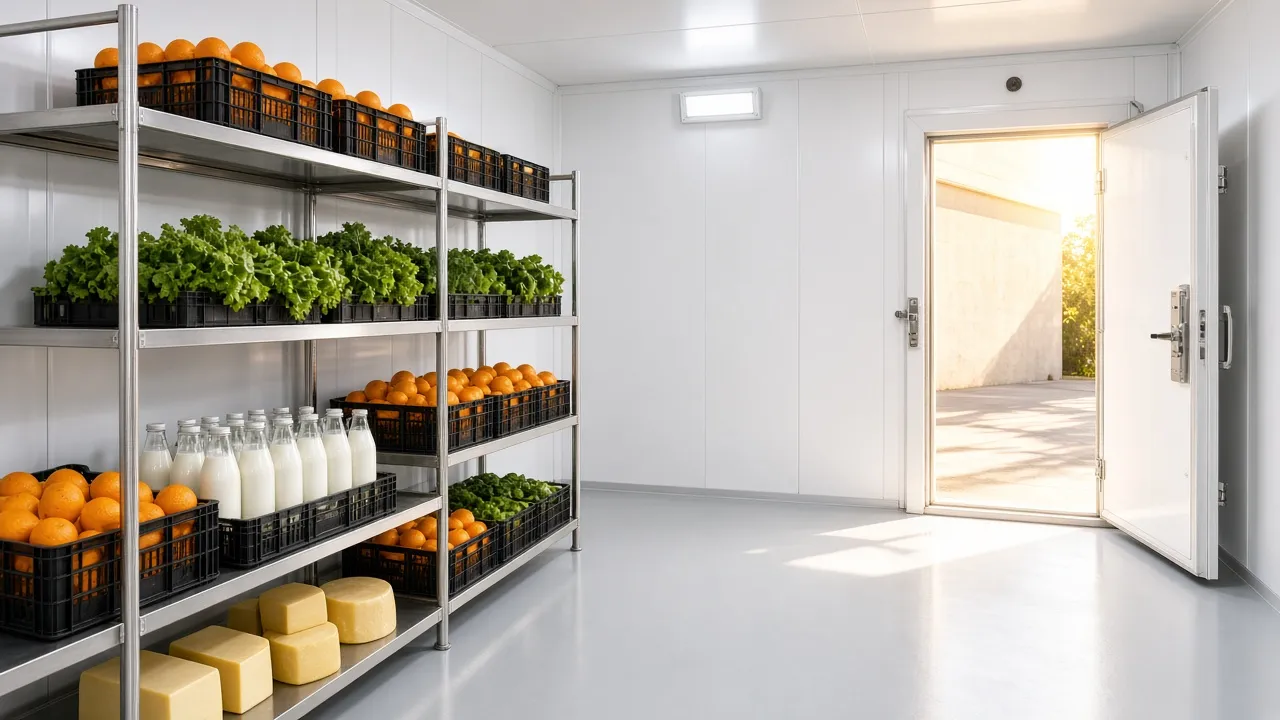
Food manufacturers rely on them to maintain product quality. Pharmaceutical businesses need controlled temperatures for medicines and other sensitive products. Dairy businesses need reliable refrigeration for milk, cheese, butter, and ice cream. Meat, poultry, seafood, frozen food, agriculture, hospitality, and cold chain businesses all depend on consistent temperature control.
This means the manufacturer you choose affects much more than the initial project cost. A professional cold room manufacturer should focus on the entire operating requirement rather than simply quoting a room based on dimensions.
- Temperature stability
- Product quality
- Electricity consumption
- Equipment life
- Maintenance requirements
- Operational reliability
- Expansion possibilities
- Long term project cost
Understand Your Cold Room Requirement First
Before contacting manufacturers, clearly define what you need. The more information you provide, the more accurately a manufacturer can design the system.
Product to Be Stored
Different products require different storage conditions. Frozen food may require a freezer room, while dairy products may need chilled storage. Pharmaceutical products may require tighter temperature monitoring. Fresh fruits and vegetables can also require specific humidity and airflow conditions. A manufacturer should ask exactly what you plan to store.
Required Temperature
Temperature is one of the biggest factors influencing cold room design. A room operating at positive temperatures has different insulation and refrigeration requirements from a freezer room operating below zero. The manufacturer should understand both the target temperature and the temperature of products entering the room.
Storage Capacity
Capacity can be measured using product weight, pallet positions, crates, room volume, or another practical unit. Do not choose a cold room only by floor area. Storage arrangement, aisle space, airflow, racking, and loading pattern also matter.
Daily Product Loading
A cold room storing already chilled products has a different refrigeration load from a facility receiving large quantities of warm products every day.
- How much product enters daily
- Incoming product temperature
- Required cooling time
- Operating hours
- Loading and unloading frequency
These details influence refrigeration equipment selection.
Look for a Manufacturer With Engineering Capability
One of the strongest signs of a reliable cold room manufacturer in India is engineering capability. Cold room design should be based on calculations and operational requirements. The refrigeration system should not be selected simply because a similar unit was used in another project. Every application can be different.
- Room dimensions
- Insulation thickness
- Product load
- Ambient temperature
- Internal lighting
- People working inside
- Door openings
- Heat entering through walls and ceilings
- Product cooling load
- Evaporator performance
- Compressor capacity
- Condenser performance
- Indian weather conditions
Check Their Cold Room Product Range
A capable manufacturer should be able to recommend the right type of cold room instead of offering one standard design for every customer.
Walk In Cold Rooms
Suitable for many commercial storage applications where staff regularly enter the room.
Modular Cold Rooms
Useful when businesses need flexible room sizes and scalable construction.
Chiller Rooms
Designed for products that need controlled positive temperatures.
Freezer Rooms
Used for frozen products requiring low temperature storage.
Blast Freezer Rooms
Used when products need to be frozen rapidly before storage or distribution.
Blast Chiller Rooms
Designed to reduce product temperature quickly without necessarily freezing the product.
Combo Cold Rooms
Useful when multiple temperature zones are needed within one project.
Incubation Rooms
Used for applications requiring controlled environmental conditions.
A manufacturer with experience across multiple configurations is more likely to recommend the correct solution for your specific requirement.
Evaluate the Quality of Insulated Panels
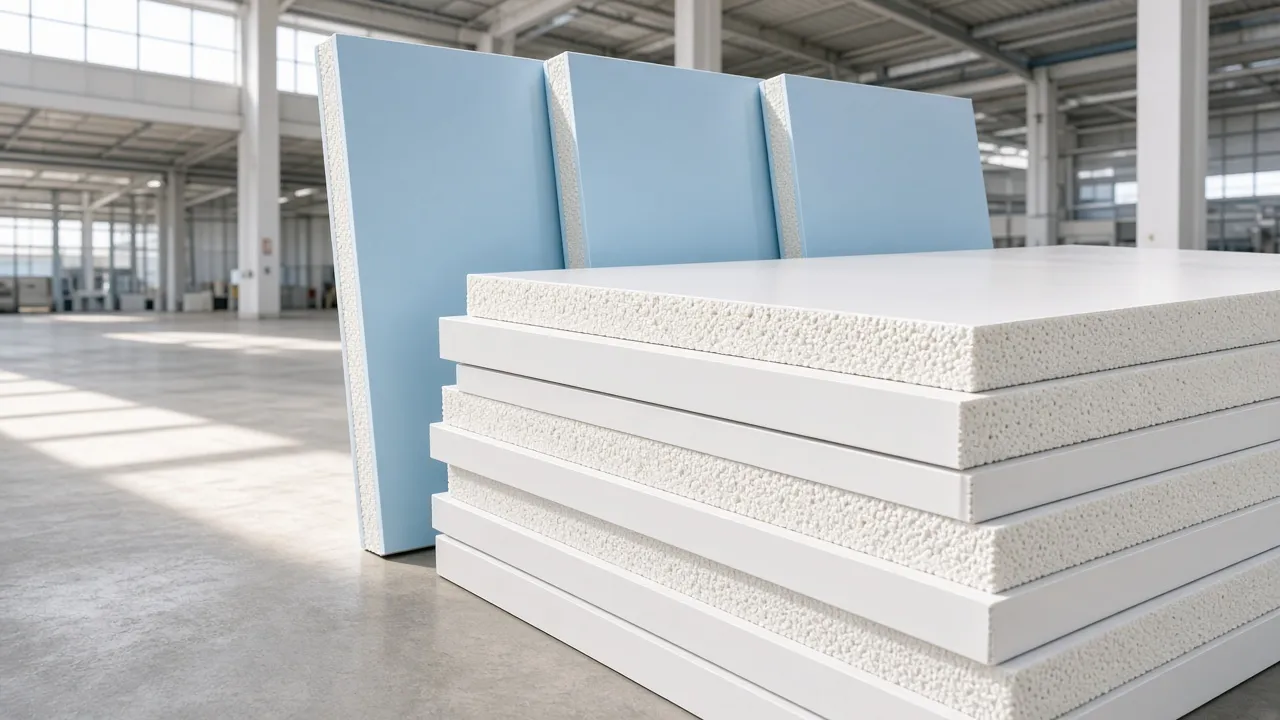
Insulation plays a major role in cold room performance. A cold room constantly faces heat entering from the surrounding environment. Good insulation reduces this heat transfer and helps the refrigeration system maintain the required temperature efficiently.
PUF and PIR panels are commonly used in temperature controlled facilities. The appropriate panel specification depends on room temperature, application, ambient conditions, and project requirements. A freezer room usually needs stronger thermal protection than a basic chiller room.
- Panel material
- Insulation material
- Panel thickness
- Panel joint construction
- Surface finish
- Density
- Thermal performance
- Fire properties where applicable
- Installation method
Pay Attention to Cold Room Doors
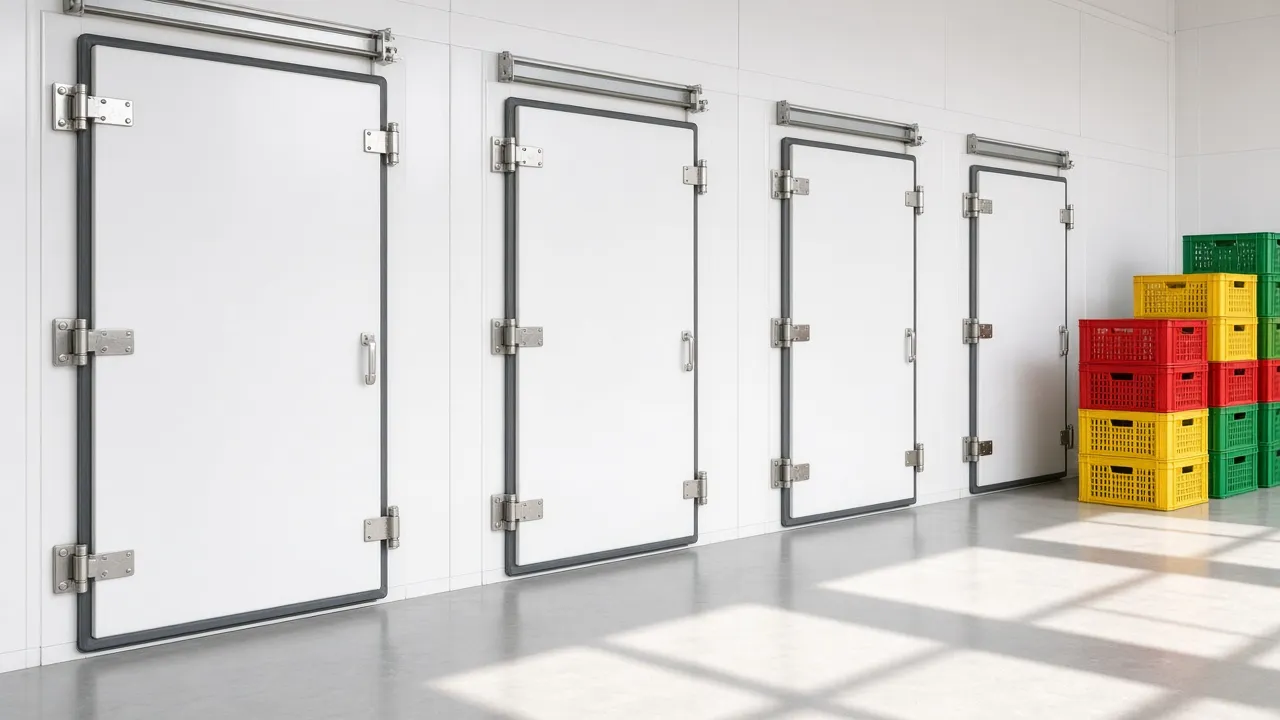
Doors are one of the most frequently used parts of a cold room. They are also a common source of energy loss. Frequent door openings allow warm air and moisture to enter. A properly selected door can improve temperature stability and reduce unnecessary refrigeration load.
- Hinged doors
- Sliding doors
- Door insulation
- Sealing system
- Door hardware
- Safety release
- Viewing windows where required
- Door heaters for low temperature applications where required
Check Refrigeration Equipment Selection
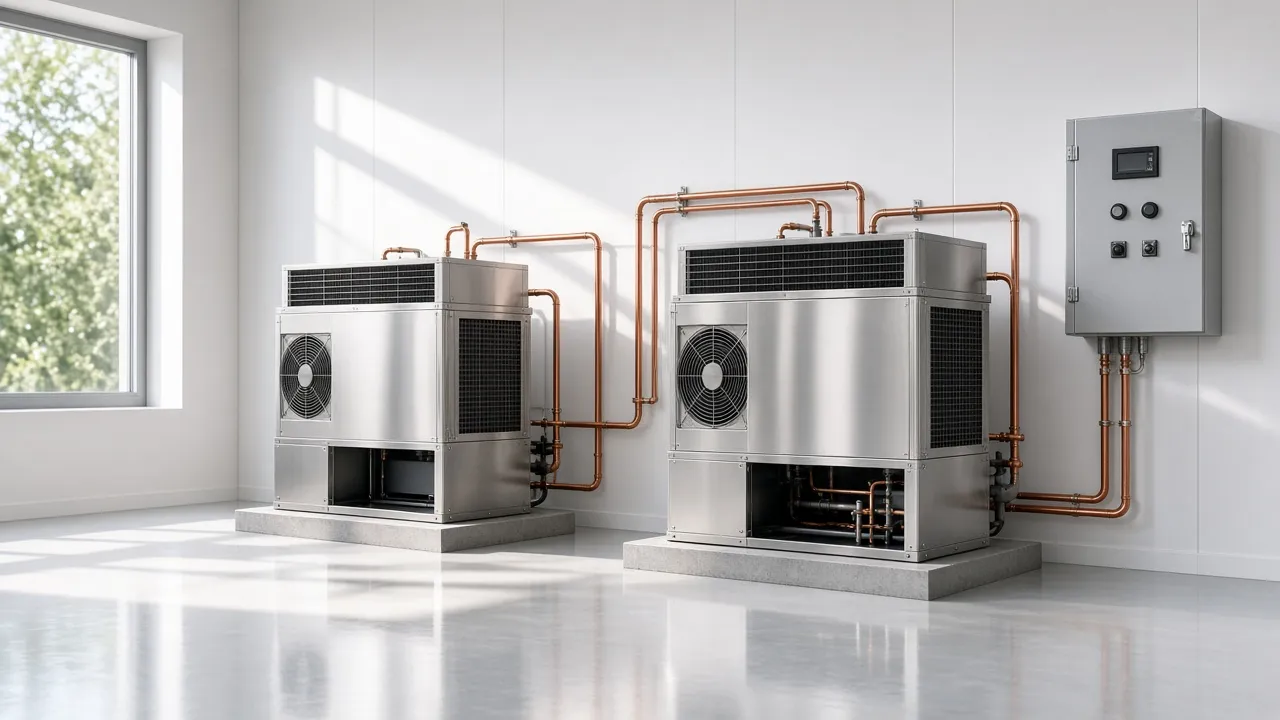
Refrigeration equipment is the heart of the cold room. The manufacturer should explain how the system has been selected for your application. The equipment should be matched as one system.
Installing a larger compressor does not automatically make a cold room better. Oversized or poorly matched equipment can also lead to inefficient operation. Correct engineering is more important than simply choosing the biggest system.
- Compressors
- Condensing units
- Evaporators
- Fans
- Expansion devices
- Refrigeration controllers
- Sensors
- Valves
- Defrost systems
- Electrical controls
Ask How the Manufacturer Handles Indian Ambient Conditions
India has diverse and often demanding operating environments. Summer temperatures can become extremely high in many parts of the country. Cold room design should consider local ambient conditions rather than relying on assumptions based on moderate climates.
Equipment selected for a project in one location may not always be ideal for another. This is why experience with Indian operating conditions is important.
- Outdoor temperature
- Equipment location
- Ventilation around the condensing system
- Dust
- Seasonal temperature changes
- Operating hours
- Power availability
- Local installation conditions
Check Installation Capability
Even well designed equipment can perform poorly if installation quality is weak. The best cold room manufacturer should either have its own experienced installation team or maintain strong control over project execution.
Ask whether installation is included in the quotation. Also ask who is responsible for testing and commissioning.
- Panel assembly
- Joint sealing
- Door alignment
- Floor insulation where required
- Evaporator installation
- Condensing unit placement
- Refrigeration piping
- Drainage
- Electrical connections
- Sensors
- Controllers
- Refrigerant charging
- Testing
Ask About Testing and Commissioning
A cold room should not be handed over immediately after the equipment starts running. The system should be properly tested. Proper commissioning helps identify problems before regular operations begin.
- Pressure testing
- Leak testing
- Vacuuming
- Electrical inspection
- Controller setup
- Sensor checks
- Temperature pull down
- Door inspection
- Airflow checks
- Drainage checks
- Overall system performance
Compare Energy Efficiency
Electricity can become one of the biggest operating expenses of a cold room. This makes energy efficiency an important consideration. Do not compare manufacturers only on initial price.
A slightly cheaper cold room that consumes significantly more electricity may cost much more over its operating life.
- Insulation performance
- Compressor efficiency
- Condenser sizing
- Evaporator sizing
- Airflow
- Door sealing
- Defrost controls
- Lighting
- Temperature settings
- Equipment cycling
- Controls
Look for Customization Instead of Standard Packages
Businesses often have different operational requirements. A frozen food warehouse does not operate like a pharmaceutical cold room. A restaurant cold room does not have the same requirements as a large dairy facility. A manufacturer that understands the application can create a much more practical solution.
- Room dimensions
- Temperature
- Panel thickness
- Door configuration
- Refrigeration capacity
- Flooring
- Racking compatibility
- Controls
- Monitoring
- Alarm systems
- Equipment placement
- Multiple temperature zones
Check Experience in Your Industry
Industry experience can be extremely valuable. A manufacturer familiar with your sector may better understand common operational challenges. Ask potential manufacturers to show relevant projects or experience within your industry.
Frozen Food
The system needs reliable low temperature operation and proper defrost management.
Meat and Poultry
Storage may require different chilling and freezing stages depending on the process.
Dairy and Ice Cream
Different dairy products may require different storage conditions.
Pharmaceutical and Healthcare
Temperature monitoring and controlled operation can be especially important.
Fruits and Vegetables
Humidity, airflow, product respiration, and storage duration may influence design.
Seafood
Freezing speed and low temperature storage can become important depending on the product.
Review Their Completed Projects
Real project experience is one of the best ways to evaluate a manufacturer. A strong portfolio shows that the company has handled real operating environments rather than only supplying equipment. If possible, ask about projects similar to your own requirement.
- Cold room type
- Application
- Project location
- Temperature
- Capacity
- Equipment used
- Installation scope
- Project images
Evaluate After Sales Support
Cold rooms are operational assets that can require service throughout their life. Before selecting a manufacturer, ask what happens after commissioning. Quick service support can become especially important when temperature sensitive products are stored inside the room.
- Preventive maintenance
- AMC services
- Breakdown support
- Refrigeration repairs
- Compressor servicing
- Controller replacement
- Door maintenance
- Panel repairs
- System upgrades
- Spare parts
- Performance checks
Compare Quotations Carefully
Never compare cold room quotations only by the final price. Two quotations can look similar while including completely different equipment and specifications. Clarify exactly what is included and excluded. A lower quotation may exclude important installation or electrical work that appears later as additional cost.
- Panel thickness
- Panel material
- Refrigeration capacity
- Compressor
- Evaporator
- Condenser
- Door specification
- Floor insulation
- Controls
- Electrical scope
- Installation
- Piping
- Refrigerant
- Testing
- Commissioning
- Warranty
- Service support
Questions to Ask a Cold Room Manufacturer
Before selecting a manufacturer, ask these questions. A professional manufacturer should be able to answer them clearly.
- Have you built cold rooms for my industry?
- How will you calculate the required refrigeration capacity?
- What insulation thickness do you recommend and why?
- Which refrigeration equipment will be used?
- How will Indian ambient temperatures affect the design?
- Is installation included?
- Who will handle commissioning?
- What testing is performed before handover?
- What type of maintenance support is available?
- Can the cold room be expanded later?
- What warranty is provided?
- What information do you need before preparing the final design?
Common Mistakes to Avoid
Choosing Only by Lowest Price
The cheapest quotation is not always the lowest cost solution over the long term.
Ignoring Operating Cost
Energy consumption can become far more significant than the initial equipment price.
Selecting Equipment Without Proper Calculation
Equipment should be selected based on actual cooling requirements.
Ignoring Door Usage
Frequent movement can significantly affect refrigeration load.
Not Planning for Future Expansion
If your storage requirements are likely to grow, discuss expansion possibilities during the initial design stage.
Choosing a Supplier Without Installation Support
Cold room performance depends heavily on installation quality.
Ignoring Maintenance
Even a well built refrigeration system requires inspection and preventive maintenance.
Why Businesses Choose Experienced Cold Room Manufacturers
Experienced manufacturers bring more than equipment to a project. This becomes especially valuable for larger cold storage projects where multiple systems must work together reliably.
The goal should not simply be to purchase a cold room. The goal should be to build a temperature controlled environment that supports your operations for years.
- Engineering
- Application knowledge
- Product selection
- Installation experience
- Commissioning
- Troubleshooting
- After sales support
Choosing a Cold Room Manufacturer in India
The right cold room manufacturer in India should understand your product, temperature requirement, storage capacity, loading pattern, operating environment, and long term business needs.
Look for a company that can handle both refrigeration engineering and cold room construction. Evaluate the quality of panels, doors, refrigeration equipment, controls, installation, commissioning, and after sales service.
Most importantly, choose a manufacturer that asks detailed questions before recommending a system. A well designed cold room protects products, supports efficient operations, reduces unnecessary energy use, and gives your business a more reliable temperature controlled storage system.
If you are planning a new cold room project, start by defining your product, required temperature, capacity, daily loading, and project location. These details will help the manufacturer develop a more accurate solution for your business.
Frequently Asked Questions
What should I check before choosing a cold room manufacturer in India?
Check engineering capability, industry experience, panel quality, refrigeration equipment, installation expertise, completed projects, commissioning process, warranty, and after sales support.
How do I know what type of cold room I need?
The correct cold room depends on the product, required temperature, capacity, daily loading, storage duration, and operating conditions.
How is cold room capacity calculated?
Capacity depends on room dimensions, storage layout, product quantity, pallet arrangement, aisle space, airflow, and operational requirements.
What affects the cost of a cold room in India?
Major factors include room size, temperature, insulation, refrigeration capacity, doors, flooring, controls, installation, equipment specification, and project location.
Should a cold room manufacturer also provide installation?
Ideally, yes. A manufacturer involved in both design and installation can maintain better control over system integration, sealing, refrigeration work, testing, and commissioning.


